
Ingredients
Equipment
Method
Prepare Your Jar
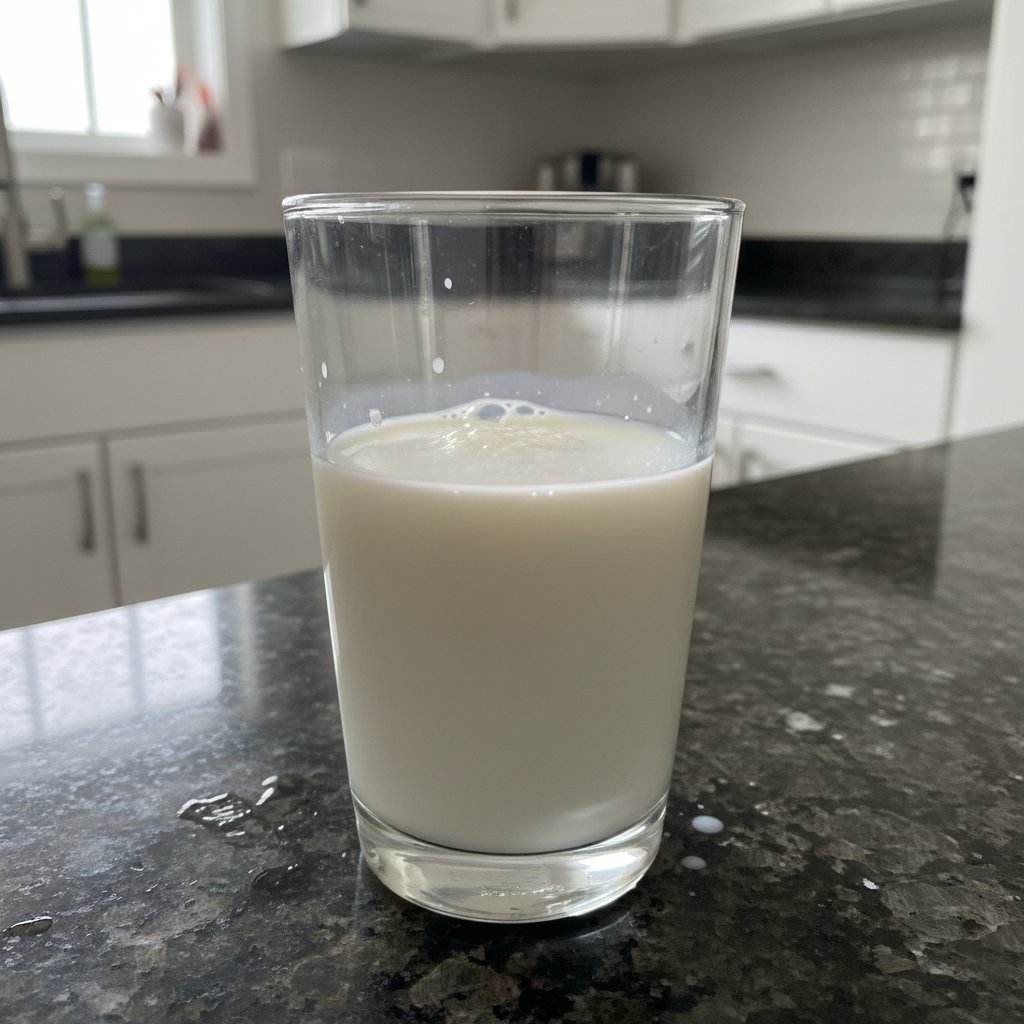
- To begin, add 2 cups of fresh dairy milk to a clean glass jar. Ensuring all your equipment is spotless is key to preventing any unwanted contamination and fostering healthy beneficial bacteria.
Add the Grains
- Gently place 1 Tablespoon of your hydrated milk kefir grains into the milk. It's best to avoid metal utensils when handling the grains, as some believe metal can harm them over time.
Cover & Ferment
- Cover your jar loosely. You can use a plastic lid, a cloth cover secured with a rubber band, or a specialized Fermentation cap. The key is to allow airflow while keeping out dust and other contaminants. This non-airtight seal is essential for the yeast activity during fermentation.
Fermentation Time
- Allow your kefir to ferment at room temperature for 24-48 hours. The ideal brewing temperature for vigorous fermentation is between 65-75°F (18-24°C), with 72°F (22°C) often cited as perfect. Warmer temperatures will speed up the fermentation time, while cooler temperatures will slow it down. It’s crucial not to ferment for longer than 72 hours; extended fermentation can lead to grain starvation and disintegration.
Taste Test
- Taste your kefir frequently throughout the process, perhaps after 24 hours, and then every few hours, to find your preferred flavor and consistency. Finished kefir should be visibly thicker than milk, with a pleasant tangy taste and a slight fizzy sensation. You might also notice a clear, yellowish liquid, known as whey, separating from the thicker curds – this is a good sign that your kefir is ready!
Strain Your Kefir
- Once your kefir reaches your desired taste, strain it through a fine mesh strainer (preferably non-metal) or a piece of cheesecloth into a clean container. This step separates the finished milk kefir from the kefir grains. Remember, you generally do NOT need to rinse your grains between uses; if you feel compelled to rinse, do so gently with fresh milk, not water.
Second Fermentation (The Creamy Fruit Swirl!)
- After you've removed your kefir grains, take approximately 16oz of your strained milk kefir. Blend this with 1/4 cup of thawed frozen mixed berries and 1-2 teaspoons of chia seeds. Transfer this delicious mixture to a clean jar and let it sit in the fridge for 2-4 hours before consuming. This allows the chia seeds to thicken and the fruit flavors to meld beautifully.
Repeat & Enjoy!
- Place your recaptured kefir grains into fresh dairy milk to start a new batch. You've just made your own delicious fermented foods! Enjoy your homemade kefir straight, or explore more serving ideas!
Nutrition
Notes
Achieve perfect homemade kefir by maintaining an ideal brewing temperature of 65-75°F (18-24°C) and avoid rinsing your grains. For non-dairy kefir, refresh grains in dairy milk every few batches. Enjoy chilled, in smoothies, or experiment with second fermentation flavors. Store finished kefir for 1-2 weeks in the fridge. Proper care ensures an endless supply of this probiotic-rich drink. Nutrition information is estimated based on common ingredients and serving sizes and may vary.