


There is something truly comforting and timeless about traditional Irish cooking, and few dishes capture that spirit quite like Irish Potato Farls. These delightful savory griddle cakes, often called potato cakes or potato fadge, hold a cherished place in Irish cuisine, especially as a foundational staple of a traditional Irish breakfast. Whether you are looking to recreate an authentic Irish experience, celebrate St. Patrick’s Day, or simply enjoy a wonderfully satisfying meal, this guide will provide you with a comprehensive, easy-to-follow recipe. I will share my unique approach to achieving superior texture and flavor, covering everything from choosing the best potatoes to serving suggestions and expert tips for perfect results every time.
Why You’ll Love This Recipe
My recipe for Irish Potato Farls stands out from the rest thanks to a couple of clever twists that guarantee an unmatched texture and flavor. I have spent years perfecting these techniques in my kitchen, and I am excited to share them with you.
Baking powder advantage. Incorporating a small amount of 1/2 teaspoon of baking powder with the all-purpose flour is a game-changer. This chemical leavener introduces gas bubbles into the dough during cooking, resulting in a significantly lighter, more tender, and less dense interior. It expertly counteracts any potential gluey texture, ensuring genuinely fluffy farls that melt in your mouth.
Superior frying technique. Forget regular butter that can easily burn. I use a strategic blend of clarified butter (ghee) and a neutral high-smoke-point oil, such as canola or grapeseed oil, for pan-frying. This combination allows for a higher frying temperature, promoting superior Maillard browning and crispiness without the milk solids of regular butter burning and imparting a bitter flavor. You get all the rich, buttery taste with an irresistible crispy on the outside texture.
Beyond these special techniques, this recipe delivers an authentic Irish breakfast taste that is perfect for any comforting meal. They are surprisingly quick to prepare and make a fantastic family-friendly dish that everyone will adore.
Ingredients Needed
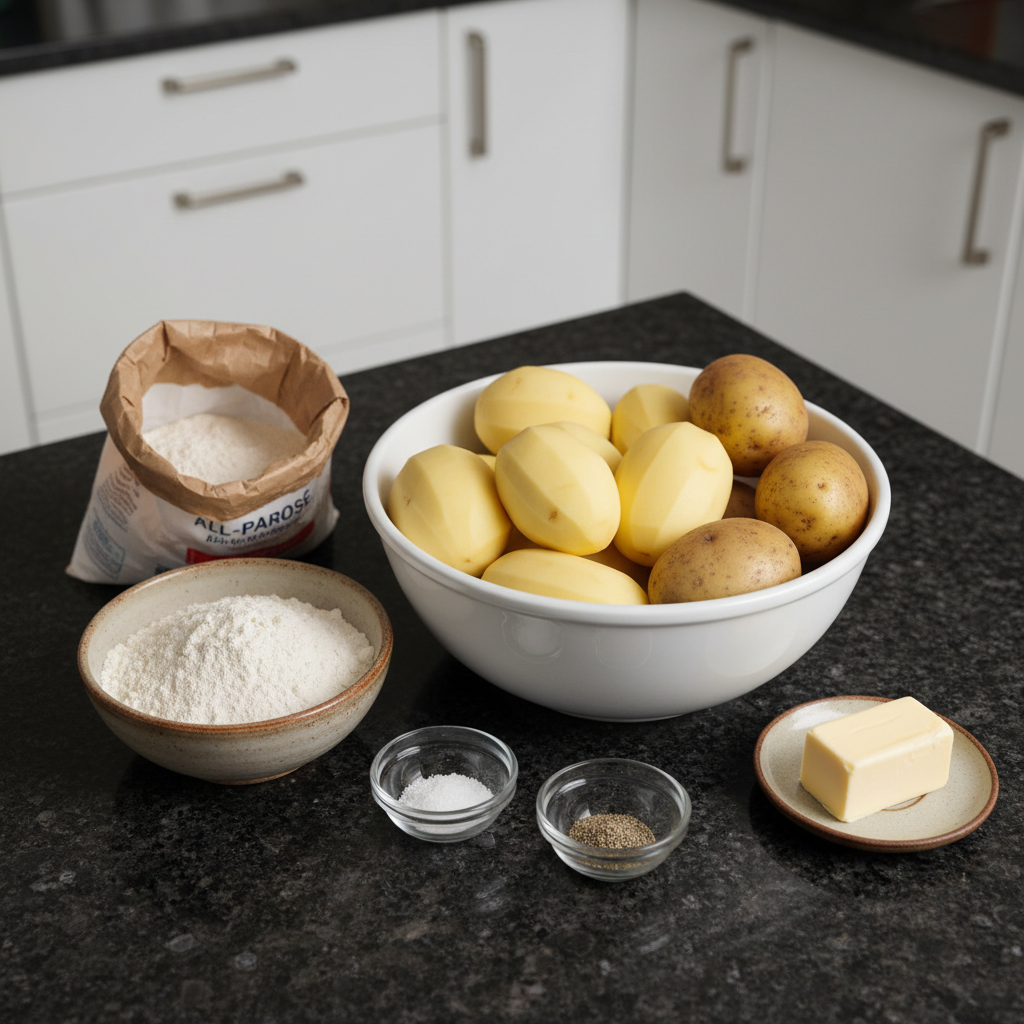
Here is exactly what you will need to make these incredible Irish Potato Farls.
* 4 cups (650g/1lb 7oz) 3 medium potatoes ((Russet, Maris Piper, Roosters))
* ¾ cup (4oz/115g) all-purpose flour
* 1 ½ teaspoons sea salt
* ½ teaspoon black pepper
* 2 tablespoons (1oz/28g) butter ((plus more for cooking))
Ingredient Notes & Substitutions
Understanding your ingredients is key to success in the kitchen.
Potatoes. The best types of potatoes for farls are floury potatoes like Russet potatoes, which are widely available in the US, or Maris Piper potatoes and Rooster potatoes if you can find them. Their high starch content yields a wonderfully fluffy mash, which is crucial for preventing a gluey texture in your potato cakes. Waxy potatoes, on the other hand, tend to be too moist and can make your farls heavy.
Flour. All-purpose flour acts as the primary binder in this recipe, holding everything together. If you need to make gluten-free farls, you can easily substitute with a gluten-free all-purpose blend flour. Just be aware that there might be a slight variation in texture, but they will still be delicious.
Frying fat. As part of my unique twist, for frying I highly recommend the specific blend of clarified butter (ghee) and a neutral high-smoke-point oil like canola or grapeseed. This combination ensures superior browning and crispiness without the risk of burning that comes with using only regular butter. It keeps your farls beautifully golden and flavorful.
Seasoning & optional additions. Sea salt and black pepper are essential for bringing out the savory depth of the potatoes. For an extra layer of flavor, consider adding a pinch of onion powder or some dried chives to your potato dough.
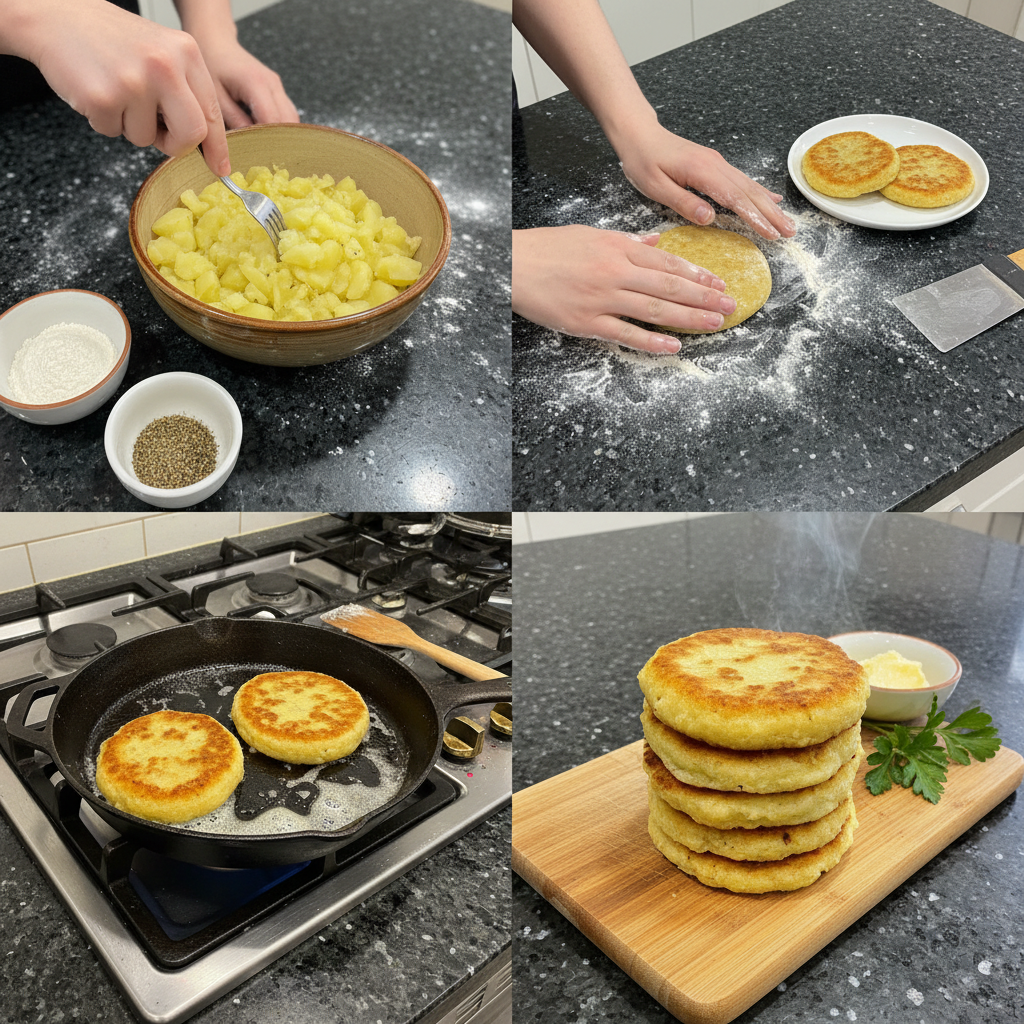
How to Make Crispy Irish Potato Farls
Making these crispy Irish Potato Farls is a straightforward process, and I will guide you through each step to ensure your success.
Prep and Weigh Potatoes
Begin by peeling and chopping your potatoes. It is important to weigh them after they are peeled and chopped for the most accurate measurement. Cut your potatoes into uniform cubes so they cook evenly, whether you are steaming potatoes or boiling potatoes.
Cook Potatoes
Place the cubed potatoes in a medium pot. Steam or boil them until they are tender, which usually takes about 20-25 minutes. You will know they are ready when they are easily pierced with a fork. Steaming is often preferred as it prevents the potatoes from absorbing too much water, leading to a fluffier end product.
Dry and Mash Thoroughly
Once cooked, remove the potatoes from the pot. Place them in a sieve over a bowl and allow them to dry off slightly for about 5 minutes. This drying step is crucial for preventing soggy farls. While the potatoes are still hot, pass them through the sieve to yield light, fluffy potatoes. If you do not have a sieve, a potato ricer is an excellent alternative, or you can use a potato masher for mashing potatoes, but be gentle. Mashing while still hot is key to avoiding gluey potatoes.
Mix the Dough (The Twist!)
Into the hot, mashed potatoes, add the all-purpose flour, sea salt, black pepper, and the melted butter. Now, here is our unique twist: also add the 1/2 teaspoon baking powder, which you can mix in with the flour beforehand. Stir the dough together gently until it just forms a cohesive ball. It is very important to avoid overmixing the dough, as this can develop gluten in the flour and make your farls dense rather than fluffy.
Shape the Farls
Turn the potato dough onto a lightly floured surface. Gently flatten it into an 8-inch round disc. Using a large knife, cut the disc into 6 traditional triangular pieces.
Fry for Golden Crispiness (The Twist!)
Heat the clarified butter (ghee) and high-smoke-point oil blend in a large frying pan or skillet over medium heat until shimmering. You will hear a gentle sizzling as you carefully add the potato farls to the pan. Cook them over medium heat for about 5 minutes, or until they achieve a lovely golden brown color and a crispy crust. Flip them over and cook for another 4-5 minutes on the other side. The goal is a beautiful Maillard reaction for enhanced flavor, making them crispy on the outside and perfectly fluffy in the middle.
Serve Immediately
Serve your Crispy Irish Potato Farls immediately while they are hot. They are a perfect part of a traditional Irish breakfast or simply delicious on their own. A small pat of butter or a dollop of sour cream makes a wonderful addition.
Achieving Perfect Texture: Ricing vs. Mashing & Troubleshooting
The texture of your Irish Potato Farls is paramount, and understanding how to achieve that perfect fluffy interior is a mark of expertise.
Ricing vs. Mashing Deep Dive
When it comes to potato farls, the method of preparing your mashed potatoes significantly impacts the final texture. Ricing potatoes, or pressing them through a sieve, is my preferred technique. This creates a superior, lighter, and fluffier texture because it separates the starch cells more gently, minimizing gluten development. Aggressive mashing with a potato masher can overwork the potatoes, breaking down cell walls and releasing too much starch, which leads to a gummy or gluey texture. By using a sieve or ricer, you get that airy, light mash that is ideal for farls.
Detailed Troubleshooting
Even the most experienced cooks encounter issues from time to time. Here is how to troubleshoot common problems with potato farls.
Soggy Farls. If your farls turn out soggy, it is usually because the potatoes were too wet. Always remember that crucial step of drying potatoes thoroughly after cooking and before mashing. Also, ensure your frying pan is adequately hot before adding the farls for proper frying; a pan that is not hot enough will cause them to absorb more oil and become greasy.
Tough/Dense/Gluey Farls. This is a common mistake and usually stems from overmixing the potato dough. Once flour is added, mix only until the ingredients are just combined. Overworking the dough develops gluten in the flour, leading to a tough, elastic texture rather than a light and tender one. Additionally, mashing potatoes while they are cool can lead to a gluey result. Our unique twist of adding baking powder also acts as a preventative measure, ensuring extra fluffiness.
Optimal Doneness Cues. While there is no specific optimal internal temperature for cooked farls, you can rely on visual and textural cues. Farls should be beautifully golden brown and crispy on the outside, indicating they are cooked through and have developed that coveted Maillard reaction flavor. The interior should be soft and fluffy.
Pro Tips & Common Mistakes to Avoid
Here are some of my top tips and common pitfalls to steer clear of when making Irish Potato Farls.
Pro Tips
* Accurate Weighing: Always peel and chop your potatoes before weighing them for the recipe; this ensures you have the precise amount for consistency.
* Fluffy Mash Secret: For the lightest, fluffiest farls, always pass the cooked potatoes through a sieve or potato ricer while they are still hot.
* Choose Wisely: Use floury potatoes like Russet potatoes (or Maris Pipers/Roosters) for the best mashing consistency and texture.
* Gentle Mixing: Once flour is added, mix the dough minimally, just until it comes together. Overmixing develops gluten development leading to dense farls.
* The Frying Formula: Remember our unique twist: use the blend of clarified butter (ghee) and a high-smoke-point oil for superior Maillard reaction browning and crispiness without burning.
* Freeze for Later: Uncooked farls can be frozen uncooked between layers of parchment paper, then cooked directly from frozen, making them excellent for meal prep.
Common Mistakes to Avoid
* Overmixing the Dough: This is the most frequent cause of dense, gluey farls. Mix gently and briefly.
* Cool Potatoes: Allowing potatoes to cool too much before mashing makes them difficult to work with and prone to becoming gluey.
* Too Much Moisture: Not properly drying the potatoes after steaming potatoes or boiling potatoes can lead to soggy, unappealing farls.
* Incorrect Frying Temperature: Frying on too low a heat will result in greasy, pale farls that lack the desired crispy texture and golden brown finish.
* Using Waxy Potatoes: Opting for waxy potato varieties instead of starchy ones will yield a gummy, less fluffy texture.
Serving & Storage
Once you have mastered these Irish Potato Farls, you will want to know the best ways to enjoy and store them.
Serving Ideas
* The Classic Irish Breakfast: Emphasize serving as a foundational component of a traditional Irish breakfast alongside eggs, bacon, sausages, black pudding, and grilled tomatoes.
* Simple Indulgence: Enjoy them simply on their own, fresh from the pan, perhaps topped with an extra pat of butter.
* Savory Potato Cakes: Suggest serving them akin to potato pancakes, topped with a dollop of sour cream and a sprinkle of fresh dried chives or a dusting of onion powder.
* Versatile Side: Recommend pairing them with hearty stews, roasted meats, or as a comforting side dish for any meal.
Storage and Make-Ahead
* Refrigeration: Store cooked farls in an airtight container in the refrigerator for up to 3-4 days.
* Freezing Uncooked Farls: You can freeze uncooked potato farls by layering them with parchment paper in an airtight container or freezer bag for up to 2-3 months. Cook them directly from frozen, adding a few minutes to the frying time.
* Reheating Cooked Farls: To restore their crispiness, reheat cooked farls on a frying pan (hob) over medium heat, in the oven at 350°F (175°C) for 10-15 minutes, or use an air fryer for a quick and crispy result.
* Meal Prep Tips: The freezing options make these farls an excellent meal prep strategy, allowing you to enjoy homemade farls any day of the week.
Conclusion
I hope you are now feeling inspired to make these incredibly delicious Irish Potato Farls in your own kitchen. With my unique baking powder trick and clarified butter and oil frying method, you are guaranteed a superior crispy on the outside, fluffy in the middle texture that is truly unforgettable. This recipe is achievable for cooks of all skill levels, promising authentic taste and satisfying results every time.
I encourage you to try this improved recipe, share it with family and friends, and explore the suggested serving ideas and variations for a truly memorable experience. Whether it is for a traditional Irish breakfast or a special St. Patrick’s Day celebration, these farls will surely become a new favorite. Do not hesitate to print this recipe, leave a comment if you try it, or explore more Irish recipes on my site!
FAQ
Here are some common questions I hear about making Irish Potato Farls.
What exactly are Irish Potato Farls and where do they come from?
Irish Potato Farls, also known as potato cakes or potato fadge, are a traditional Irish griddle bread made primarily from mashed potatoes, flour, and butter. They originated as a humble, economical way to use leftover potatoes, ensuring nothing went to waste, and have since become a beloved cultural staple, especially as a key component of a traditional Irish breakfast.
What’s the difference between potato farls, potato cakes, and boxty?
Potato farls and potato cakes are often used interchangeably, generally referring to these pan-fried mashed potato cakes. Boxty is a broader term for traditional Irish potato pancakes, which can include grated raw potato in the mixture, resulting in a slightly different texture and often a chewvier consistency compared to farls, though all are types of delicious griddle cakes. For another comforting potato dish, consider our Instant Pot Scalloped Potatoes.
What are the best types of potatoes for farls, and can I use leftover mash?
For the best results, use floury potatoes like Russet potatoes, Maris Piper potatoes, or Rooster potatoes. These varieties yield a light, fluffy texture when mashed, which is ideal for farls. Yes, you can use leftover mashed potatoes for farls, but ensure the mash is plain, meaning not heavily seasoned with milk, cream, or other ingredients, and not overly wet, as this can affect the dough consistency.
How can I ensure my potato farls are fluffy and not gluey?
To ensure fluffy, non-gluey farls, use floury potatoes, mash them while still hot (preferably through a sieve or potato ricer), and avoid overmixing the dough once the flour is added. Additionally, make sure your potatoes are well-dried after cooking. Our recipe includes baking powder, which helps to create a lighter texture and prevent gumminess.
Can I freeze potato farls for future use, and how should I reheat them?
Yes, potato farls can be frozen! I recommend freezing uncooked farls between layers of parchment paper in an airtight container for up to 2-3 months. Cook them directly from frozen, adding a few minutes to the frying time. To reheat cooked farls, you can pan-fry them in a frying pan over medium heat, bake them in the oven at 350°F (175°C) for 10-15 minutes, or use an air fryer for crispiness.
What variations can I add to my Irish potato farls?
You can easily add variations to your Irish potato farls for extra flavor. Consider mixing in finely chopped onions or a dash of onion powder, dried chives, or even a hint of garlic powder. For a richer taste, you can fry them in bacon fat instead of butter and oil. You can also shape them into small patties rather than traditional triangles for a different presentation.
What are the traditional ways to serve potato farls?
The most traditional way to serve potato farls is as part of a hearty traditional Irish breakfast, alongside eggs, bacon, sausages, and black pudding. They are also excellent simply on their own with a generous pat of butter. For a savory twist, serve them topped with sour cream and fresh chives.
Can potato farls be made gluten-free?
Yes, potato farls can be made gluten-free. Simply substitute the all-purpose flour with a gluten-free all-purpose blend flour. While the texture might be slightly different from the traditional version, they will still be delicious and a wonderful option for those with gluten sensitivities.
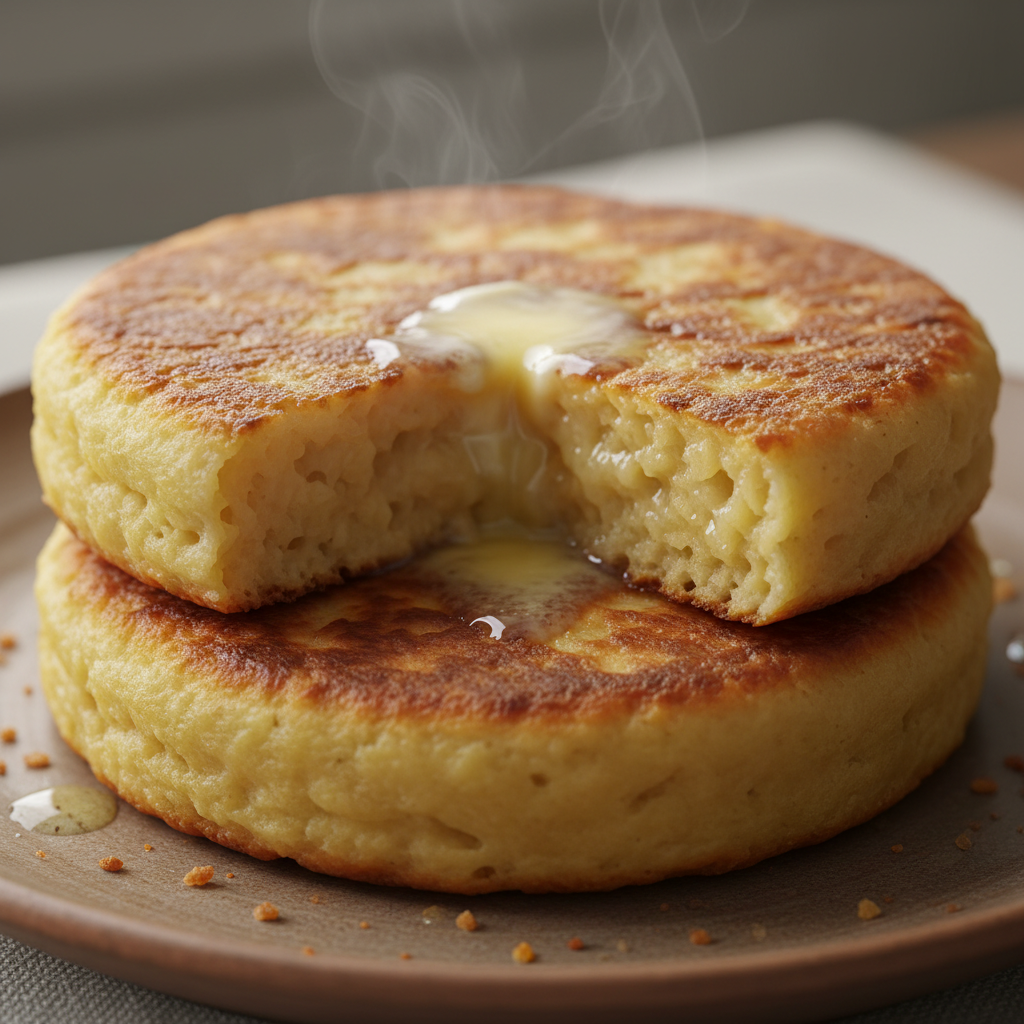
Crispy Irish Potato Farls: The Ultimate Fluffy Potato Cakes Recipe
Ingredients
Equipment
Method
- Begin by peeling and chopping your potatoes. Cut them into uniform cubes for even cooking. It is important to weigh them after they are peeled and chopped for the most accurate measurement.
- Place the cubed potatoes in a medium pot. Steam or boil them until they are tender, which usually takes about 20-25 minutes. They are ready when easily pierced with a fork.
- Once cooked, remove the potatoes from the pot. Place them in a sieve over a bowl and allow them to dry off slightly for about 5 minutes. While the potatoes are still hot, pass them through the sieve to yield light, fluffy potatoes (a potato ricer is an excellent alternative, or use a potato masher gently).
- Into the hot, mashed potatoes, add the all-purpose flour, sea salt, black pepper, the melted butter, and the baking powder. Stir the dough together gently until it just forms a cohesive ball, avoiding overmixing.
- Turn the potato dough onto a lightly floured surface. Gently flatten it into an 8-inch round disc. Using a large knife, cut the disc into 6 traditional triangular pieces.
- Heat the clarified butter (ghee) and high-smoke-point oil blend in a large frying pan or skillet over medium heat until shimmering. Carefully add the potato farls to the pan. Cook them for about 5 minutes, or until golden brown and crispy. Flip them over and cook for another 4-5 minutes on the other side.
- Serve your Crispy Irish Potato Farls immediately while they are hot. They are a perfect part of a traditional Irish breakfast or delicious on their own. A small pat of butter or a dollop of sour cream makes a wonderful addition.
