


There’s nothing quite like the nostalgic aroma of peanut butter cookies wafting through a warm kitchen. For many of us, these cookies represent the quintessential after-school treat or the star of a holiday cookie swap. However, the struggle to move beyond the dry, crumbly versions of the past is real. This guide focuses on achieving that elusive soft and chewy texture that melts in your mouth, perfectly balancing salt and sweetness.
These soft and chewy peanut butter cookies aren’t just good, they’re the kind of cookies that stop conversations and demand a second bite. My grandmother always said the best treats are the ones made with a little extra love, and this recipe is full of it.
Why You Will Love This Recipe
**The Brown Butter Depth**: By browning the butter first, we unlock the rich, nutty notes from the Maillard reaction, providing a toasted aroma that complements the peanut butter far better than standard softened butter. This simple step elevates the flavor immensely.
**The Honey Secret**: I’ve discovered that replacing a small portion of sugar with honey acts as a natural humectant. This little trick keeps these cookies incredibly soft and bendy for days longer than traditional recipes, ensuring a lasting chewiness you’ll adore.
**The Perfect Texture**: This recipe produces a cookie that is buttery, wonderfully nutty, and boasts those iconic rippled edges without being overly dense. Every bite delivers a satisfying balance of chewiness and melt-in-your-mouth goodness.
Ingredients Needed
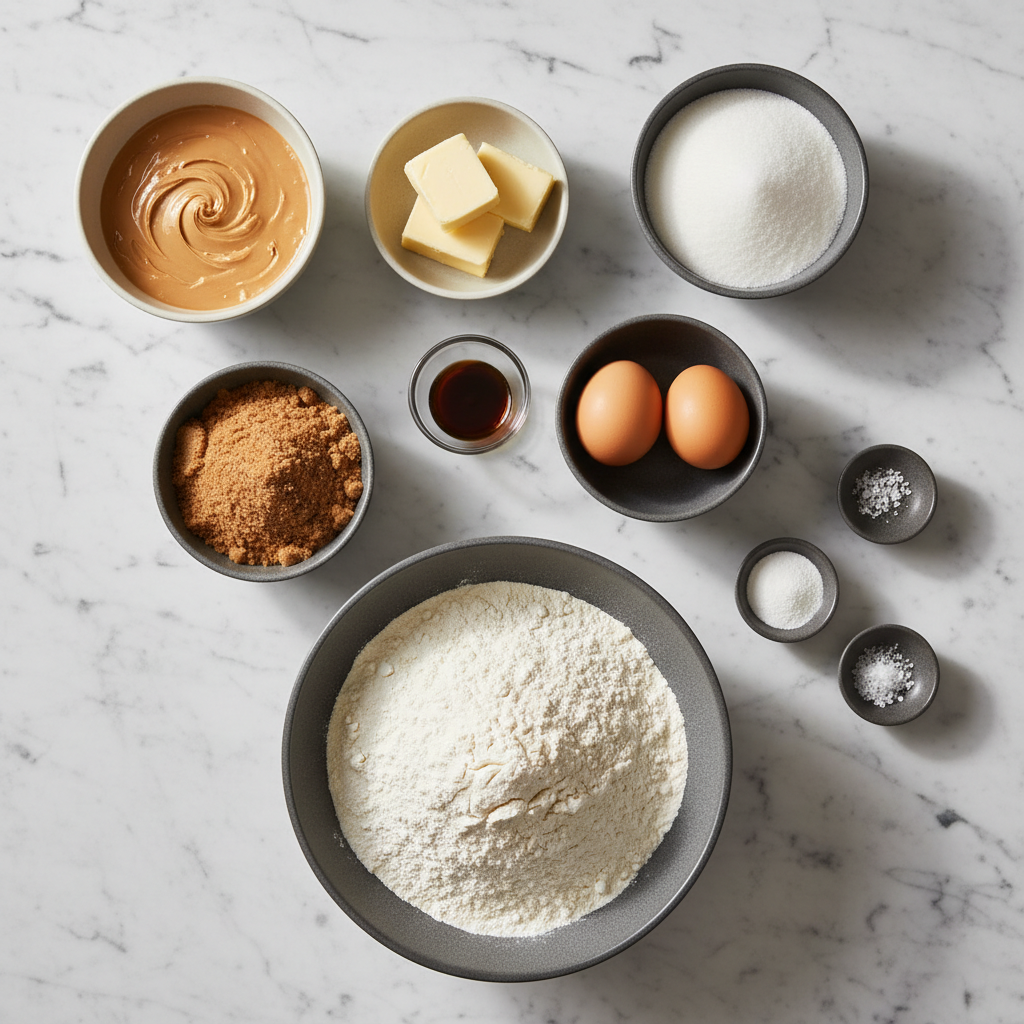
Gathering the right ingredients is the first step to creating these unforgettable soft and chewy peanut butter cookies. Each component plays a crucial role in achieving their delightful flavor and perfect texture.
Ingredients
For the Peanut Butter Cookie Dough:
- 1 cup (256 g) smooth peanut butter
- 16 tablespoons (226 g) unsalted butter, room temperature
- 1 1/3 cup (293 g) dark brown sugar, packed
- 1/2 cup (100 g) granulated sugar
- 1 tablespoon (13 g) real vanilla extract
- 2 large eggs, room temperature
- 1 teaspoon baking powder
- 1 teaspoon baking soda
- 1 teaspoon sea salt
- 2 1/4 cups (304 g) all-purpose flour
For Rolling the Cookie Dough Balls:
- 1/2 cup (100 g) granulated sugar
To Finish:
- Sea salt flakes
Ingredient Notes and Substitutions
Peanut Butter Selection: For the best results, use a commercial “no-stir” smooth peanut butter brand for consistent texture. If you opt for a natural, oil-separation variety, ensure it is stirred exceptionally well to prevent a greasy, flat cookie.
Dark Brown Sugar: This recipe calls for dark brown sugar, and for good reason. Its higher molasses content is key to increasing the moisture and chewiness of the final cookie, yielding a richer, more satisfying bite.
Flour Measurement: Accurate flour measurement is crucial to avoid crumbly cookies. Always use the “spoon and level” method: gently spoon the flour into your measuring cup until overflowing, then level it off with the back of a knife. Never scoop directly from the bag.
How to Make Peanut Butter Cookies
Creating these soft and chewy peanut butter cookies involves a few key steps, each designed to build layers of flavor and achieve that perfect, tender crumb. Trust the process, and you’ll be rewarded with bakery-quality treats.
The Brown Butter Base and Creaming Phase
- First, preheat your oven to 350°F (177°C) and line several baking sheets with parchment paper. This ensures your cookies won’t stick and will bake evenly.
- In a small saucepan, melt the 16 tablespoons of unsalted butter over medium heat. Continue cooking, stirring occasionally, until the butter turns golden brown, smells nutty, and you see tiny brown bits at the bottom. This is the Maillard reaction at work, deepening the flavor. Allow this brown butter to cool until it becomes a soft, opaque solid again.
- Once the brown butter has cooled, transfer it to the bowl of an electric stand mixer fitted with the paddle attachment. Add the smooth peanut butter, dark brown sugar, 7 tablespoons of granulated sugar, 1 tablespoon of honey, and vanilla extract. Cream this mixture on medium speed for 4 to 5 minutes until it appears light in color, visibly aerated, and fluffy.
Building the Cookie Dough
- Add the large eggs one at a time to the creamed mixture. Ensure that each egg is fully incorporated and emulsified before adding the next, scraping down the sides and bottom of the bowl as needed to create a stable dough structure.
- Next, sprinkle in the baking powder, baking soda, and sea salt. Mix for just 1 minute to evenly distribute these leavening agents and flavor enhancers throughout the dough.
- Finally, add the all-purpose flour. Mix for only about 20 seconds, or until the flour is just combined. Over-mixing at this stage can develop too much gluten, leading to tough cookies.
Baking to Perfection
- Pour the remaining 1/2 cup (100 g) of granulated sugar into a shallow bowl for rolling.
- Using a cookie scoop, portion out 2 tablespoons of the prepared cookie dough for each cookie. Roll each portion gently into a smooth ball, then drop it into the bowl of granulated sugar, coating it thoroughly. Place the sugared dough balls onto your prepared baking sheets, leaving about 1 1/2 inches (4 cm) between each one to allow for spread.
- Bake one sheet at a time in the center of your preheated oven for 12 to 13 minutes. When you remove them, the cookies will still look very soft and slightly underdone in the center.
- Immediately after removing the baking sheet from the oven, gently tap it on the counter a few times. This “pan-banging” technique helps deflate the cookies, creating those desirable crinkly, rippled edges often seen in professional bakeries.
- Finally, sprinkle the warm cookies with sea salt flakes, if you’re using them, to enhance their flavor. Let them cool on the baking sheet for a full 20 minutes to allow them to firm up and fully set before transferring them to a cooling rack.
Secrets for Perfection
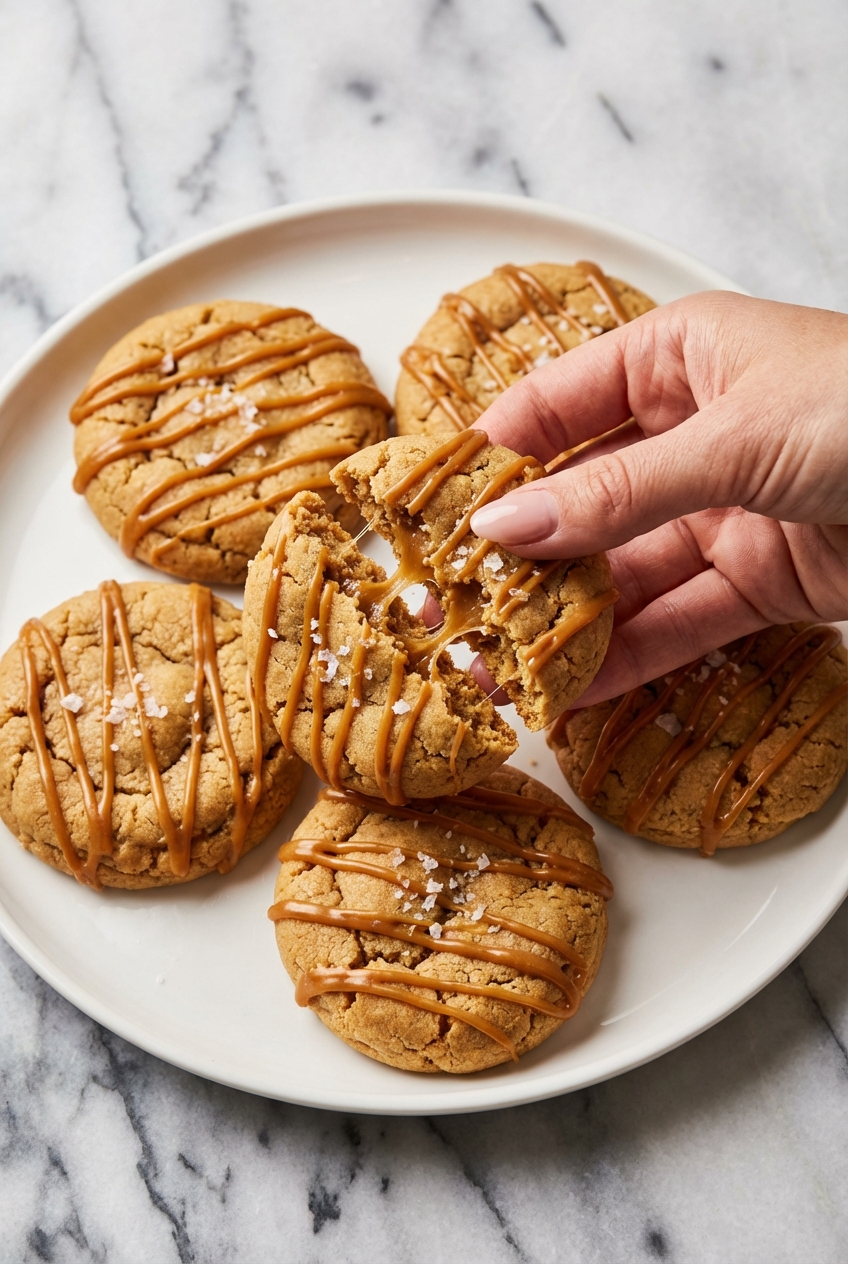
**Understanding the Creaming Stage**: A properly creamed butter and sugar mixture is the foundation for a great cookie. It should look pale, light, and significantly aerated, almost like fluffy frosting. This aeration is what gives your cookies their rise and tender crumb.
**The pH Factor**: The acidity of your peanut butter can subtly impact how much your cookies spread. Using both baking powder and baking soda in this recipe helps to neutralize varying pH levels, ensuring a consistent lift and a perfect spread every time. Baking soda is particularly effective at increasing the pH, which promotes browning and contributes to that desirable chewy texture, as explored in articles like The Science Behind Baking Soda.
**Altitude Adjustments**: For those baking at high altitudes, you might notice your cookies spreading more than usual. To prevent them from collapsing, consider slightly increasing the flour by 1-2 tablespoons or decreasing the granulated sugar by 1-2 tablespoons.
Pro Tips and Troubleshooting
Expert Baking Tips
- Always use shiny metal baking sheets. These sheets reflect heat, preventing the bottoms of your cookies from browning too quickly and ensuring an even bake.
- While typically for bread, the “windowpane test” can apply to cookie dough’s feel: it should be tacky but not sticky like glue, indicating a good balance of moisture and dry ingredients.
- For a taller, more traditional bakery-style height, consider swapping 1/4 of the butter for shortening. This slight alteration can change the spread and density. If you enjoy experimenting with texture, you might also like these banana bread cookies for another soft-baked treat.
Common Mistakes to Avoid
- **Overbaking**: The biggest culprit for dry, crumbly peanut butter cookies is overbaking. Your cookies should look “shy of doneness” in the center when you pull them from the oven; they will continue to cook and firm up as they cool.
- **Using Cold Eggs**: Ensure your eggs are at room temperature. Cold eggs can cause the creamed butter and sugar mixture to seize, leading to an uneven dough texture and a less consistent bake.
Serving and Storage
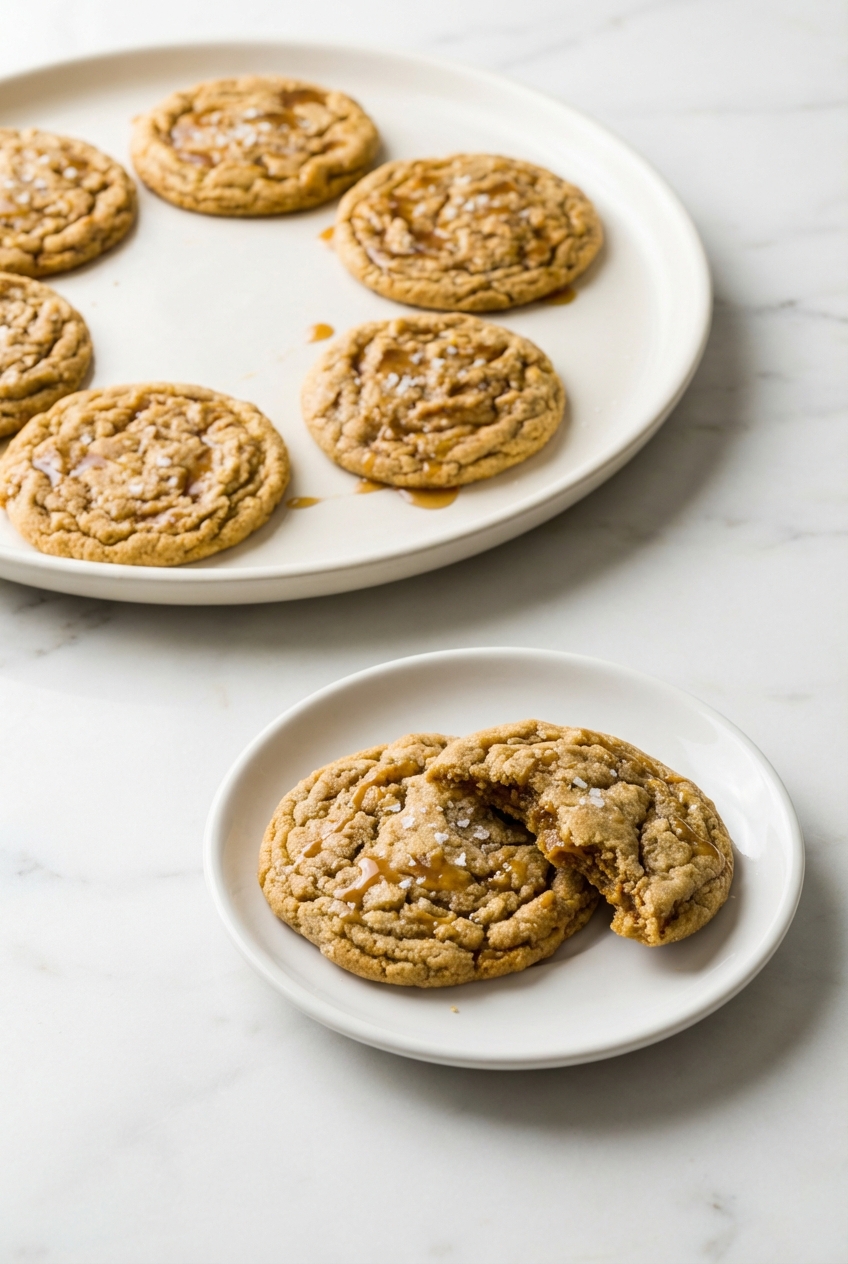
Creative Serving Ideas
- Elevate your cookie experience by making them sandwich-style! Fill two cookies with a rich dark chocolate ganache or a creamy Nutella for an indulgent dessert.
- Pair these hearty cookies with a cold glass of oat milk, or for a sophisticated contrast, serve them alongside a sharp espresso to cut through their richness. These cookies would also be a fantastic addition to a dessert platter with other delightful treats like chocolate crinkle cookies.
- A light dusting of cinnamon sugar provides a warm, spiced aroma that perfectly complements the nutty flavor of the peanut butter.
Storage and Make-Ahead Instructions
- You can easily freeze the cookie dough balls for future cravings. Roll them as instructed, then freeze them on a baking sheet until solid (about 1-2 hours) before transferring them to an airtight container or freezer bag. They will keep for up to 3 months. When ready to bake, place them directly from frozen onto your prepared baking sheet and add 2 minutes to the baking time.
- Store baked cookies in an airtight container at room temperature for up to 5 days. For extra softness, I always tuck a slice of white bread into the container; the bread’s hygroscopic properties help keep the cookies moist via moisture transfer.
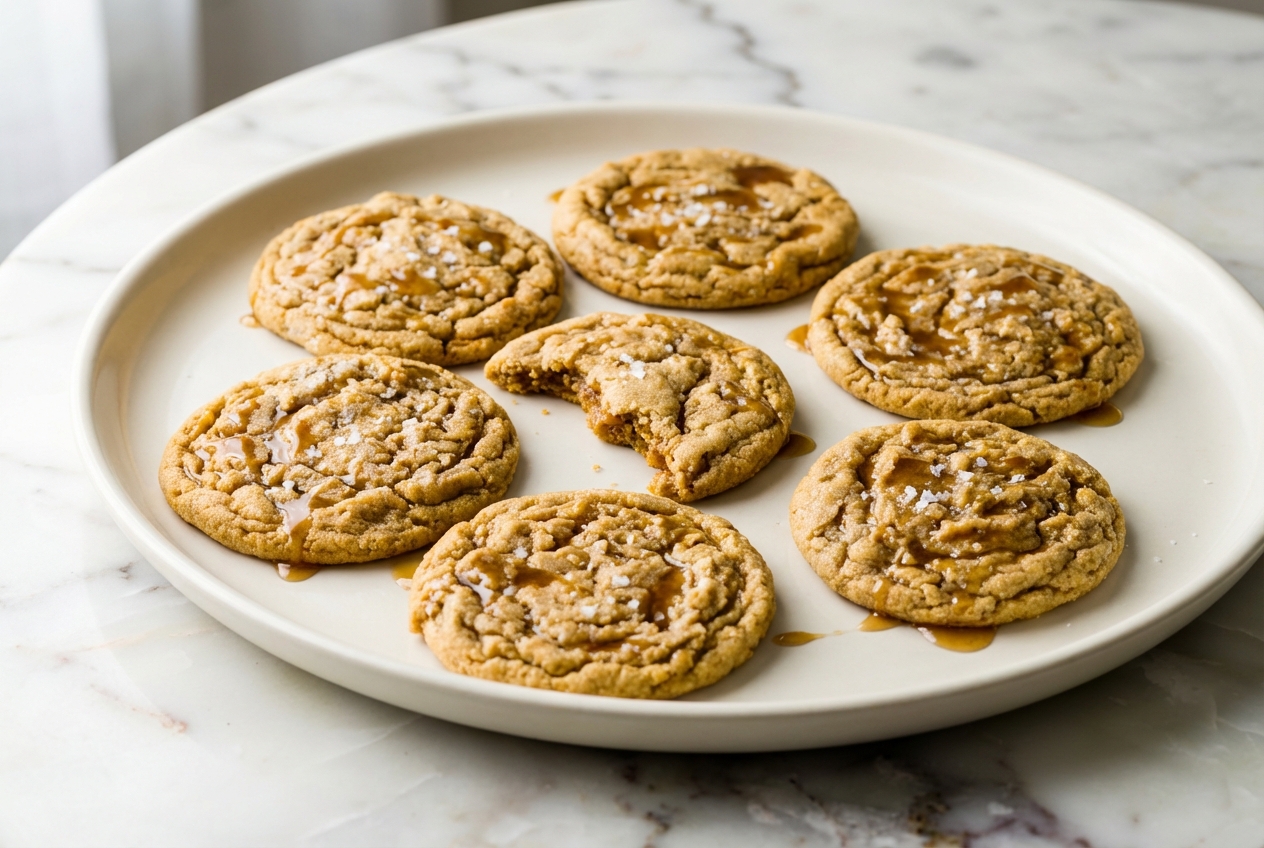

Soft And Chewy Peanut Butter Cookies
Ingredients
Equipment
Method
- Preheat your oven to 350°F (177°C) and line several baking sheets with parchment paper to prevent sticking.
- In a small saucepan, melt the 16 tablespoons of unsalted butter over medium heat. Continue cooking and stirring until the butter turns golden brown and smells nutty. Allow the brown butter to cool until it becomes a soft, opaque solid again.
- Transfer the solidified brown butter to a stand mixer. Add the peanut butter, dark brown sugar, 7 tablespoons of granulated sugar, 1 tablespoon of honey, and vanilla. Cream on medium speed for 4 to 5 minutes until light and fluffy.
- Add the eggs one at a time, ensuring each is fully incorporated and scraping down the bowl between additions.
- Mix in the baking powder, baking soda, and sea salt for 1 minute to evenly distribute the leavening agents.
- Add the all-purpose flour and mix for only 20 seconds or until just combined. Avoid over-mixing to keep the cookies tender.
- Place the remaining 1/2 cup of sugar in a shallow bowl. Scoop 2 tablespoons of dough, roll into a ball, and coat thoroughly in sugar.
- Place the balls on baking sheets 1.5 inches apart. Bake one sheet at a time for 12 to 13 minutes until edges are set but centers look soft.
- Remove from the oven and immediately tap the pan on the counter a few times to create rippled edges. Sprinkle with sea salt flakes if desired.
- Let the cookies cool on the baking sheet for a full 20 minutes to firm up before moving them to a cooling rack.
Nutrition
Notes
Tried this recipe?
Let us know how it was!Final Thoughts on Making the Best Cookies
These soft and chewy peanut butter cookies, with their brown butter depth and honey-kissed tenderness, truly transform a classic into a gourmet experience. Trust the process, especially the cooling time, as that’s where their irresistible chewiness fully develops. Don’t be afraid to make them your own, and for your next baking adventure, why not explore other delightful textures like these lacy oatmeal cookies?
Frequently Asked Questions
Why are my peanut butter cookies dry and crumbly?
This is most often due to over-measuring your flour or over-baking the cookies. For precise measurements, especially with flour, a digital kitchen scale is highly recommended. Always pull your cookies from the oven when their centers still look a little soft.
Do I really need the fork criss-cross pattern?
While the fork criss-cross pattern is traditional for peanut butter cookies, especially those with denser doughs that need help spreading, it’s purely aesthetic for this high-moisture recipe. These soft cookies spread beautifully and naturally form subtle ripples without the fork marks.
Can I substitute natural peanut butter?
Yes, you can substitute natural peanut butter, but choose a “no-stir” variety or ensure it’s exceptionally well-emulsified. Pure peanut and oil brands can sometimes lead to cookies that spread too much or become greasy because the oil separates easily.
How long can I freeze the cookie dough?
You can freeze these peanut butter cookie dough balls for up to 3 months. After rolling them in sugar, arrange them on a baking sheet to freeze solid, then transfer them to an airtight freezer bag for long-term storage. Bake them directly from frozen, adding an extra 1 to 2 minutes to the bake time.
Is dark brown sugar better than light brown sugar?
Absolutely, dark brown sugar is preferred for this recipe. Its higher molasses content is crucial for both the deep, caramel-like flavor and the incredibly chewy texture of the cookies. For more on how molasses affects moisture, consider trying these brown sugar cookies.
