


There are evenings when only the vibrant, complex flavors of Thai cuisine will do, but the thought of a sink full of dishes or waiting for takeout just isn’t appealing. That’s precisely why I crafted this incredible One-Pot Thai Red Curry Chicken recipe. It brings authentic, restaurant-quality taste right to your kitchen table with minimal fuss. Get ready to discover how to create a deeply flavorful, quick, and easy one-pot meal, enhanced by my special technique for perfectly tender, juicy chicken every single time.
Why You’ll Love This One-Pot Thai Red Curry Chicken
My secret to truly exceptional One-Pot Thai Red Curry Chicken lies in a simple yet transformative pre-marination step. Before the chicken even touches the hot skillet, I take a moment to marinate thin strips of boneless, skinless chicken breast for 15-20 minutes. This quick marinade consists of just 1-2 tablespoons of the vibrant red curry paste, a splash of fish sauce, and a touch of brown sugar.
Deeper Flavor, Not Blandness: This crucial step ensures the chicken isn’t just an afterthought in the sauce. The curry paste penetrates the meat, infusing every bite with its aromatic goodness and preventing the chicken from tasting bland. It’s a game-changer for flavor penetration.
Juicier, More Tender Chicken: The brown sugar in the marinade promotes a light Maillard reaction when the chicken is briefly sautéed, adding delightful caramelized notes. More importantly, this process helps lock in moisture, resulting in chicken that’s incredibly juicy and tender – a far cry from dry, overcooked poultry.
Effortless Cleanup: Beyond the amazing flavor, the true magic of this dish is its “one-pot” nature. You’ll use just one skillet from start to finish, which means significantly less washing up after dinner. It’s the ultimate solution for busy weeknights when time is precious.
Restaurant-Quality Flavor at Home: This unique twist, combined with fresh ingredients, elevates the taste profile dramatically, allowing you to achieve those complex, authentic Thai flavors you crave without ever leaving your home.
Ingredients Needed for One-Pot Thai Red Curry Chicken
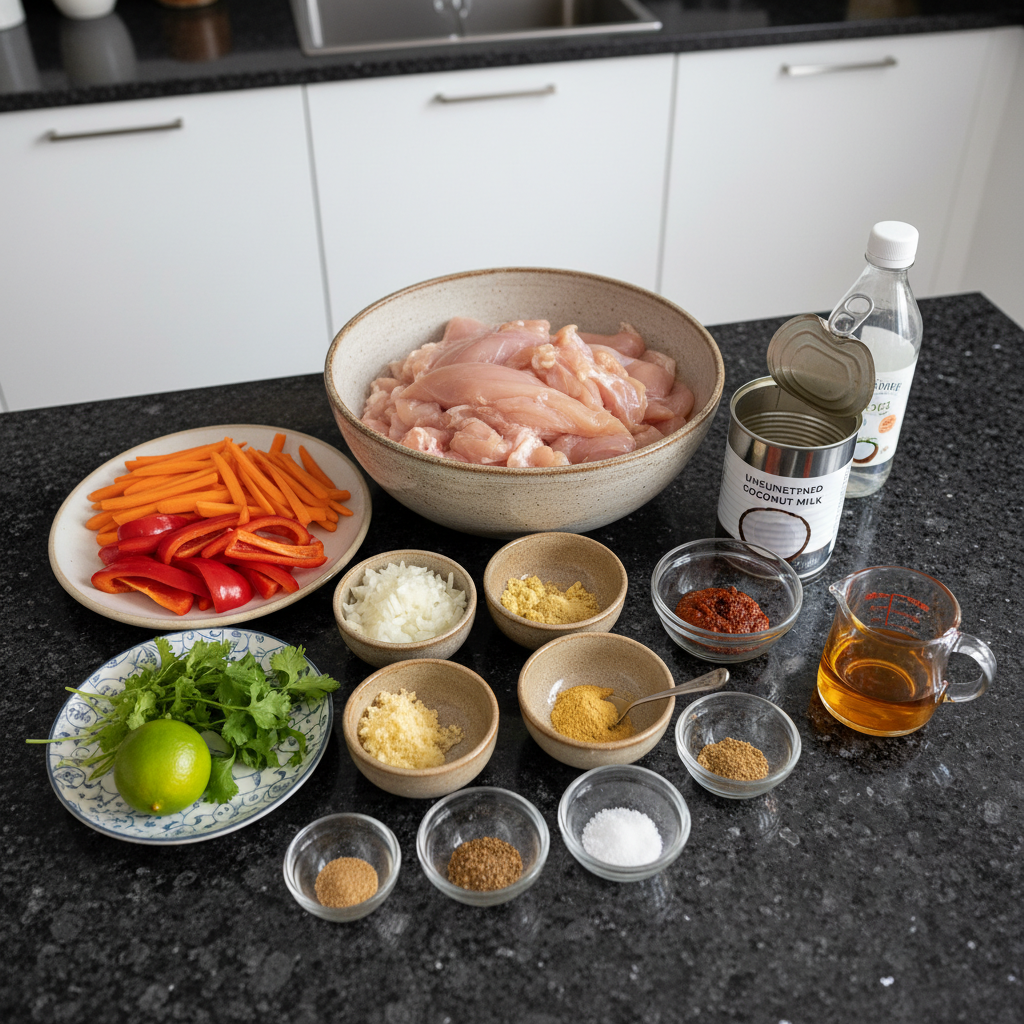
- 2 tablespoon coconut oil (or other cooking oil)
- 1 cup onion, finely diced (white or yellow onion)
- ½ teaspoon salt or more to taste
- 4 large garlic cloves, minced (about 2 TBSP)
- 1 teaspoon ground ginger (or 1 tablespoon fresh grated or minced ginger)
- 1 teaspoon ground coriander
- 4-6 tablespoon Thai red curry paste, or to taste (I used Maesri Brand, this amount results in a Medium-hot to HOT spice level *see notes for modifications)
- 1 can unsweetened coconut milk, full-fat, (14-ounce can) (I used Thai Kitchen Brand)
- 1 tablespoon brown sugar or to taste
- 1 ½ pounds boneless skinless chicken breast, cut into thin strips about 3″ long ½” wide (can also use boneless skinless chicken thighs, or a combination of both!)
- 1 tablespoon fish sauce or soy sauce *see notes
- 1 cup carrots, shredded or julienned
- 1 cup red bell pepper, sliced or diced (about half large bell pepper)
- 1 lime, zest and juice *see notes
- ¼ cup fresh cilantro, chopped and divided (can also use Thai Basil)
Ingredient Notes & Substitutions
Coconut Oil: While I love the subtle flavor of coconut oil, you can certainly substitute it with other neutral cooking oils like avocado oil or vegetable oil if you prefer.
Thai Red Curry Paste: The brand of Thai red curry paste makes a huge difference in both flavor and spice level. I’ve found Maesri Brand to be quite potent and authentic, yielding a medium-hot to hot curry with 4-6 tablespoons. Other brands, like Thai Kitchen, tend to be milder, so you might need to use more to achieve your desired flavor and heat. Always taste and adjust! If your curry is too spicy, a bit more brown sugar or coconut milk can help mellow it out. For extra heat, a pinch of cayenne pepper works wonders.
Unsweetened Coconut Milk (full-fat): For the creamiest, most flavorful curry sauce, always reach for full-fat, unsweetened coconut milk. To ensure you’re getting a good quality can, give it a shake; you should hear it slosh around, indicating a good balance of cream and liquid. Avoid “light” versions, as they often result in a thin, watery sauce lacking richness.
Chicken: My recipe calls for boneless, skinless chicken breast cut into thin strips, which cooks quickly and absorbs flavor beautifully. However, boneless, skinless chicken thighs are an excellent alternative, offering a richer flavor and even more tender texture. A combination of both also works wonderfully!
Fish Sauce/Soy Sauce: Fish sauce adds that quintessential savory, umami depth to Thai cuisine. If you’re avoiding fish sauce due to dietary preferences, good quality soy sauce or tamari (for a Gluten-Free option) makes a suitable substitute, though the flavor profile will be slightly different.
Lime/Authentic Aromatics: Fresh lime zest and juice brighten the entire dish. For an even more authentic Thai flavor, consider adding 6 fresh Kaffir lime leaves (added with the coconut milk and removed before serving) or 2 teaspoons of minced fresh lemongrass (or 1 tablespoon of lemongrass paste, added with the coconut milk). These aromatics will elevate your curry to the next level.
Dietary Notes: With careful ingredient choices, this One-Pot Thai Red Curry Chicken can easily be adapted. Opt for tamari instead of fish sauce for a Gluten-Free meal. To make it more Keto-Friendly or Low-Carb, serve it over cauliflower rice or simply enjoy it on its own. It’s naturally Dairy-Free thanks to the coconut milk.
How to Make One-Pot Thai Red Curry Chicken
Get ready to infuse your kitchen with incredible aromas! This one-pot method is designed for maximum flavor and minimum effort. Pay close attention to the crucial marinating step for the most succulent chicken.
The One-Pot Method: Step-by-Step
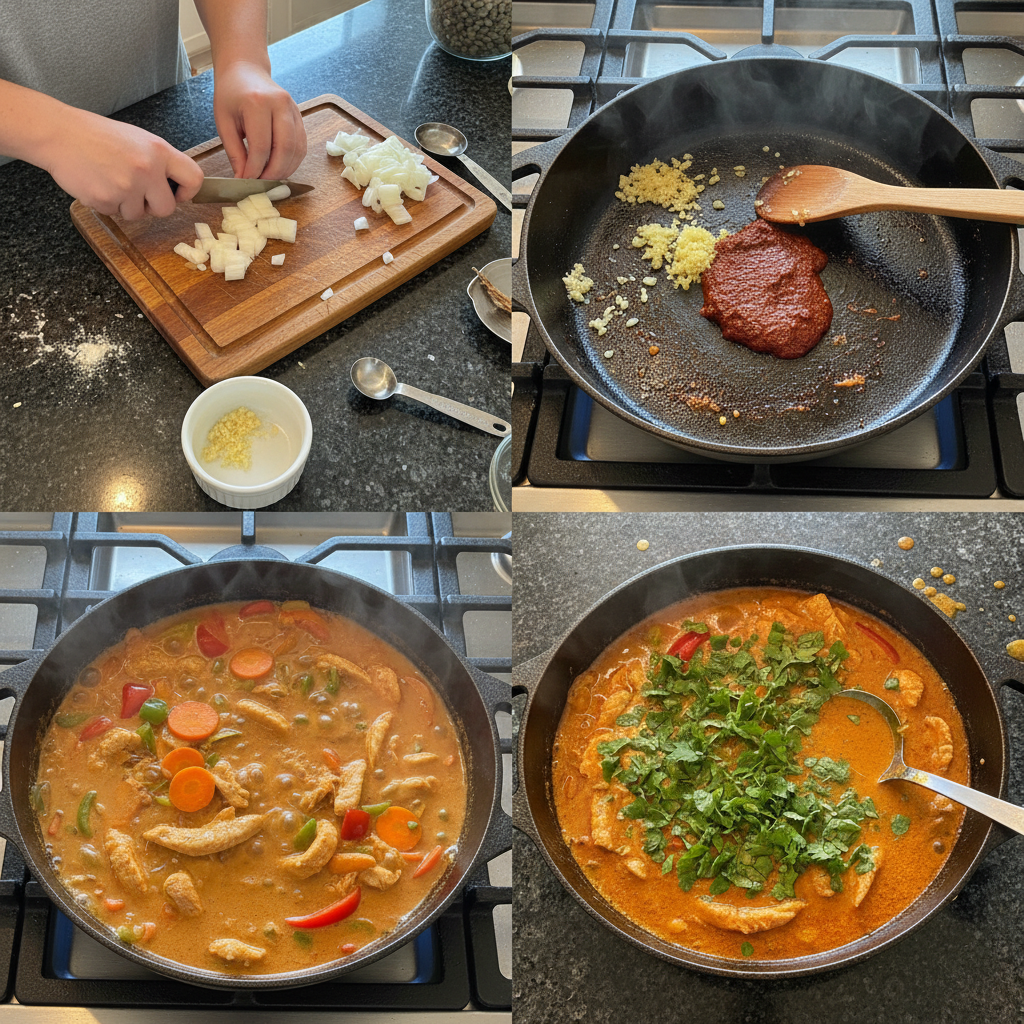
- Prepare the Chicken (Unique Twist First!): Begin by preparing your chicken. In a medium bowl, combine the thinly sliced chicken strips with 1-2 tablespoons of the Thai red curry paste (use the lesser amount if your paste is very spicy, like Maesri), a splash of fish sauce, and a teaspoon of brown sugar. Toss everything together until the chicken is well coated. Let it marinate for 15-20 minutes on the counter while you prep your other ingredients. This step is crucial for deeply flavored, juicy chicken.
- Sauté Aromatics: Heat 2 tablespoons of coconut oil in a large skillet or Dutch oven over medium-high heat until shimmering. Add the finely diced onion and ½ teaspoon of salt. Cook, stirring often, for about 3 minutes until the onions soften and become translucent and fragrant. Next, add the remaining red curry paste (if using a milder brand, you might add more here), minced garlic, ground ginger, and ground coriander. Cook for about 1 minute, stirring constantly, allowing the aromatic spices to bloom and become wonderfully fragrant.
- Build the Curry Base: Pour in the full-fat unsweetened coconut milk, stir in the brown sugar, and the remaining fish sauce. Now, add your beautifully marinated chicken strips to the skillet. Stir everything together gently to combine. Bring the mixture to a gentle simmer, then reduce the heat to medium-low. Let it simmer uncovered for about 7 minutes, stirring occasionally, allowing the flavors to meld and the chicken to start cooking through.
- Add Vegetables & Finish Simmering: Gently stir in the shredded carrots and sliced red bell pepper. Continue to simmer for another 5-7 minutes, or until the sauce slightly thickens and gently coats the back of a spoon, and the chicken is fully cooked through with no pink remaining inside. For me, this usually takes about 7 minutes. The vegetables should be tender-crisp.
- Final Flavor Boost: Remove the skillet from the heat. Stir in the fresh lime zest, half of the lime juice, and half of the chopped fresh cilantro. The lime adds a bright, tangy finish that cuts through the richness of the coconut milk.
- Taste and Adjust: This is a crucial step for achieving perfect balance! Taste the curry and adjust the seasonings to your preference. You might want to add more lime juice for tang, a pinch more salt, another touch of brown sugar for sweetness, or even more curry paste for an extra kick of heat. I often find myself adding ¼ teaspoon more salt and a tablespoon more curry paste for that vibrant heat.
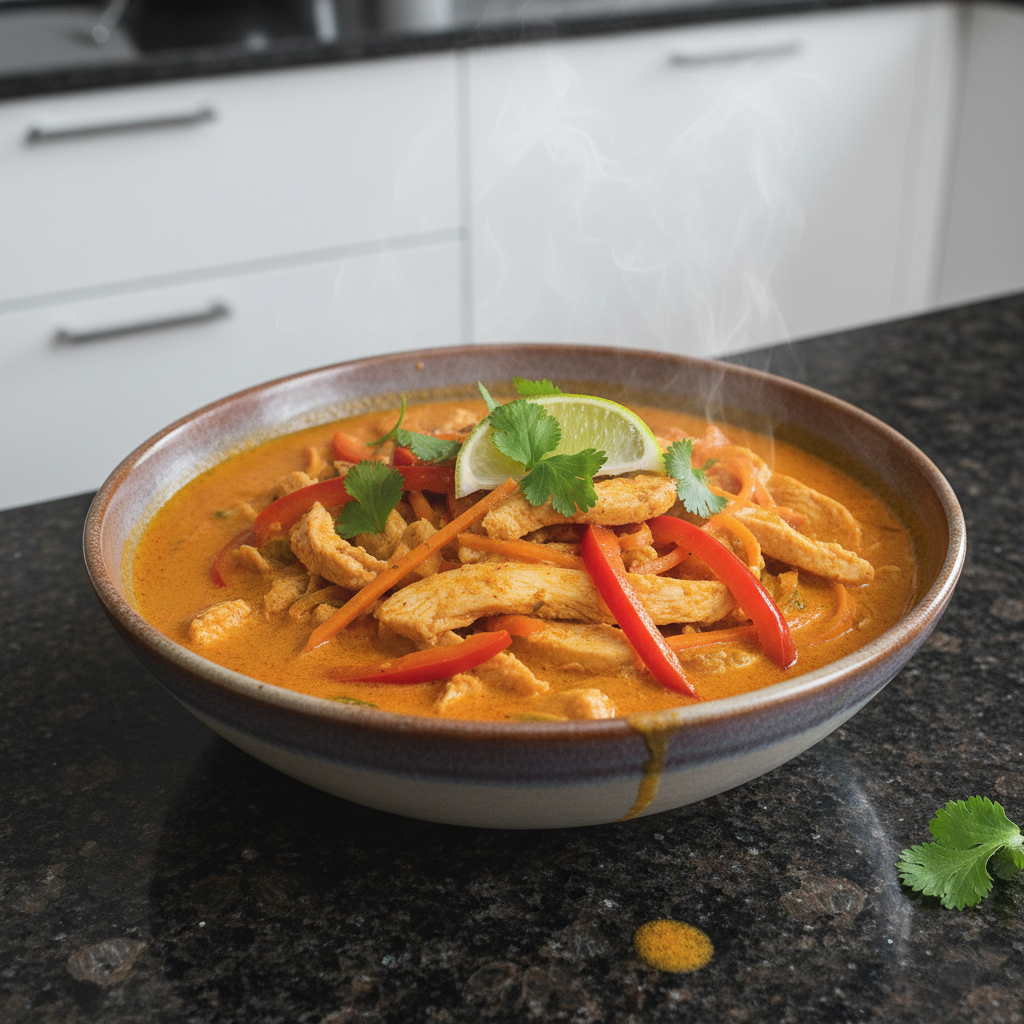
- Serve Hot: Ladle your glorious One-Pot Thai Red Curry Chicken into bowls, top with the remaining fresh cilantro, and serve immediately.
Customize Your One-Pot Thai Red Curry: Veggies & More!
One of the best things about this One-Pot Thai Red Curry Chicken is how adaptable it is. Feel free to make it your own by adding different vegetables or switching up the protein!
Optional Vegetable Additions
While carrots and bell peppers provide a great base, the beauty of curry is its flexibility. Here are some other fantastic additions, along with tips on when to add them:
- Harder Vegetables: Broccoli florets, green beans, or bamboo shoots can be added at the same time as the carrots and bell peppers (Step 4) to ensure they cook through.
- Medium-Firm Vegetables: Mushrooms (shiitake or cremini), snow peas, or baby corn can be added during the last 5 minutes of simmering for a tender-crisp texture.
- Leafy Greens: Fresh spinach or kale wilts quickly and should be stirred in just before removing the curry from the heat (Step 5), allowing the residual heat to cook them.
Chicken Options
As mentioned, chicken thighs are an excellent substitute for chicken breast. They tend to be more forgiving and lend a richer flavor to the curry. You can use an equal amount of boneless, skinless chicken thighs, cut into similar-sized strips for even cooking.
Sauce Consistency
If you find your sauce is a little too thick for your liking, you can thin it out by adding a splash of chicken broth or even a little more coconut milk until it reaches your desired consistency. Conversely, if you prefer a thicker sauce, you can let it simmer uncovered for a few extra minutes to reduce further. For a very thick sauce, a cornstarch slurry (1 tsp cornstarch mixed with 1 tsp cold water) can be stirred in during the last few minutes of simmering, though I find it’s rarely needed with full-fat coconut milk.
Pro Tips & Troubleshooting for Perfect Thai Red Curry Chicken
Pro Tips
- Understand Your Curry Paste: Different brands of Thai red curry paste vary significantly in spice level and flavor. Maesri is known for its authentic, spicier profile (4-5 Tbsp for medium-hot), while Thai Kitchen is often milder (starting with 4 Tbsp and adding more if needed for heat). Always taste a tiny bit before adding the full amount and adjust to your preference.
- Careful Lime Zesting: When zesting the lime, only grate the bright green outer layer. The white pith underneath is bitter and can negatively impact the flavor of your curry.
- The Final Taste Test is Key: Don’t skip the crucial step of tasting and adjusting seasonings just before serving. A little extra lime juice, a pinch of salt, or a touch more brown sugar can perfectly balance the sweet, sour, salty, and spicy notes.
- Quality Coconut Milk Matters: Always use full-fat, unsweetened coconut milk for the best creamy texture and rich flavor. Light versions will result in a less satisfying, watery sauce. Shake the can before opening to ensure it’s well-mixed.
- Even Chicken Cooking: To ensure your chicken cooks evenly and quickly, cut the boneless, skinless chicken breast or thighs into uniform strips, about 3 inches long and ½ inch wide. This prevents some pieces from overcooking while others are still raw.
Common Mistakes to Avoid
- Ignoring Curry Paste Spice: Not accounting for the varying spice levels between curry paste brands is a common pitfall. Start with less and add more, tasting as you go, especially if using a new brand.
- Bitter Lime Zest: Over-grating the lime zest and including the white pith will introduce an unpleasant bitterness to your dish. Use a microplane or fine grater carefully.
- Skipping Final Seasoning: Serving the curry without a final taste test and adjustment means you might miss out on reaching its full flavor potential. A few tweaks can make all the difference.
- Dry Chicken: Overcooking the chicken is a common mistake. Since we’re using thin strips, they cook quickly. The pre-marinating step helps, but keep an eye on it during simmering to ensure it remains juicy, removing from heat once no longer pink.
- Watery Sauce: Using light coconut milk instead of full-fat, or not allowing enough simmer time for the sauce to thicken slightly, can result in a thin, watery curry. If this happens, a cornstarch slurry (as mentioned above) can be a quick fix.
Serving & Storage
Serving Ideas
This One-Pot Thai Red Curry Chicken is a delightful meal on its own, but it truly shines when paired with simple accompaniments. I always recommend serving it over fluffy Jasmine Rice to soak up all that incredible sauce. For a more authentic experience, offer warm Naan bread or Roti for scooping up every last drop. If you’re looking for a low-carb option, cauliflower rice makes an excellent substitute. Garnish generously with fresh cilantro and a lime wedge. For those who love extra heat, a sprinkle of red pepper flakes adds a beautiful visual and a spicy kick.
Storage and Make-Ahead
This recipe is excellent for meal prep, as the flavors often deepen overnight!
- Refrigeration: Allow any leftover One-Pot Thai Red Curry Chicken to cool completely before transferring it to an airtight container. It will keep beautifully in the refrigerator for up to 3-4 days.
- Freezing: For longer storage, cool the curry completely. Transfer it to freezer-safe airtight containers or heavy-duty freezer bags. It can be frozen for up to 2-3 months. Be aware that the texture of the coconut milk might change slightly upon freezing and thawing, becoming a little grainier, but the flavor will still be fantastic.
- Reheating: For best results, gently reheat leftover curry on the stovetop over low heat, stirring occasionally, until heated through. If the sauce has thickened too much in the fridge, you can add a splash of chicken broth or coconut milk to bring it back to your desired consistency. You can also reheat it in the microwave in short bursts, stirring frequently to ensure even heating.
Conclusion
There you have it – my tried-and-true recipe for a truly unforgettable One-Pot Thai Red Curry Chicken. It delivers on all fronts: incredible depth of flavor, astonishing ease of preparation, and the joy of minimal cleanup. The simple act of pre-marinating the chicken makes all the difference, ensuring every bite is juicy, tender, and infused with the rich, aromatic spices of Thailand.
Even if you’re new to making Thai food at home, I promise you can achieve fantastic, restaurant-quality results with this recipe. Don’t hesitate to experiment with your favorite vegetables or adjust the spice to your perfect level. Give it a try this week, and I’d love to hear about your experience and any delicious variations you discover!
FAQ: Your One-Pot Thai Red Curry Chicken Questions Answered
What’s the best Thai red curry paste for this recipe, and how do I adjust the spice?
For an authentic, medium-hot to hot spice level, I highly recommend Maesri Brand Thai Red Curry Paste. It’s potent, so start with 4-5 tablespoons. If you prefer a milder curry, Thai Kitchen Brand is a good choice, but you might need more than 4 tablespoons to achieve a robust flavor. To adjust spice, add more paste for heat, or balance it with additional brown sugar or coconut milk for sweetness and creaminess. A pinch of cayenne pepper can also boost the heat.
Can I make substitutions for fish sauce, lemongrass, or kaffir lime leaves?
Yes! For fish sauce, a good quality soy sauce or tamari (for Gluten-Free) can be substituted, though the flavor will be slightly different. For authentic aromatics like fresh lemongrass or kaffir lime leaves, if you can’t find them, the recipe works wonderfully without them. However, if you want to enhance the flavor, use 2 tsp minced fresh lemongrass (or 1 Tbsp paste) or 6 kaffir lime leaves (removed before serving) by adding them along with the coconut milk.
How can I adjust the thickness of the Thai red curry sauce?
To thicken the sauce, simply simmer it uncovered for a few extra minutes, allowing more liquid to evaporate. Ensure you’re using full-fat coconut milk for the creamiest texture. If it’s too thick, you can thin it out with a splash of chicken broth or a little more coconut milk until it reaches your desired consistency.
What are the slow cooker instructions for this one-pot Thai red curry chicken?
This recipe can be adapted for a slow cooker! First, perform the chicken marination step as described. Then, sauté the onions, garlic, ginger, coriander, and curry paste in a skillet as instructed (Steps 2-3) to build the flavor base. Transfer this aromatic mixture and the marinated chicken to your slow cooker. Stir in the coconut milk, brown sugar, and fish sauce. Cook on low for 3-4 hours or on high for 1.5-2.5 hours, or until the chicken is tender. Stir in the carrots and bell peppers during the last 30-60 minutes of cooking. Finish with lime zest, lime juice, and cilantro before serving, adjusting seasonings as needed.
What should I serve with one-pot Thai red curry chicken?
I love serving this One-Pot Thai Red Curry Chicken over fluffy Jasmine Rice to soak up all the delicious sauce. For a low-carb alternative, cauliflower rice is excellent. Warm Naan bread or Roti are also fantastic for dipping. Garnish with fresh cilantro, a lime wedge, and optionally, a sprinkle of red pepper flakes for an extra kick.
How do I store and reheat leftover Thai Red Curry Chicken?
Store cooled leftovers in an airtight container in the refrigerator for up to 3-4 days. You can also freeze it for 2-3 months, though the coconut milk texture might slightly change. To reheat, gently warm on the stovetop over low heat, adding a splash of chicken broth or coconut milk if the sauce has thickened. You can also microwave in short bursts, stirring frequently.
Is this Thai red curry chicken recipe healthy?
Yes, this recipe can be very healthy! It’s naturally Dairy-Free thanks to coconut milk. By choosing tamari over fish sauce, it becomes Gluten-Free. Served without rice, it can be Keto-Friendly and Low-Carb. It’s packed with lean protein from the chicken and nutrients from the fresh vegetables, making it a wholesome and flavorful meal.
What kind of chicken is best for red curry?
Boneless, skinless chicken breast cut into thin strips is excellent for quick cooking and flavor absorption. However, boneless, skinless chicken thighs are also a fantastic choice, offering a richer flavor and a more tender, forgiving texture, especially if you’re worried about overcooking.
What vegetables can I add to Thai red curry chicken?
Beyond carrots and red bell pepper, you can add a variety of vegetables! Consider bamboo shoots, snap peas, sliced mushrooms (like shiitake or cremini), broccoli florets, green beans, or baby corn. For leafy greens, fresh spinach or kale can be stirred in at the very end. Add harder vegetables earlier in the simmering process and softer ones towards the end to ensure they are cooked to your desired tenderness.
One-Pot Thai Red Curry Chicken: Your New Favorite Weeknight Meal
Ingredients
Equipment
Method
- Prepare the Chicken (Unique Twist First!): Begin by preparing your chicken. In a medium bowl, combine the thinly sliced chicken strips with 1-2 tablespoons of the Thai red curry paste (use the lesser amount if your paste is very spicy, like Maesri), a splash of fish sauce, and a teaspoon of brown sugar. Toss everything together until the chicken is well coated. Let it marinate for 15-20 minutes on the counter while you prep your other ingredients. This step is crucial for deeply flavored, juicy chicken.
- Sauté Aromatics: Heat 2 tablespoons of coconut oil in a large skillet or Dutch oven over medium-high heat until shimmering. Add the finely diced onion and ½ teaspoon of salt. Cook, stirring often, for about 3 minutes until the onions soften and become translucent and fragrant. Next, add the remaining red curry paste (if using a milder brand, you might add more here), minced garlic, ground ginger, and ground coriander. Cook for about 1 minute, stirring constantly, allowing the aromatic spices to bloom and become wonderfully fragrant.
- Build the Curry Base: Pour in the full-fat unsweetened coconut milk, stir in the brown sugar, and the remaining fish sauce. Now, add your beautifully marinated chicken strips to the skillet. Stir everything together gently to combine. Bring the mixture to a gentle simmer, then reduce the heat to medium-low. Let it simmer uncovered for about 7 minutes, stirring occasionally, allowing the flavors to meld and the chicken to start cooking through.
- Add Vegetables & Finish Simmering: Gently stir in the shredded carrots and sliced red bell pepper. Continue to simmer for another 5-7 minutes, or until the sauce slightly thickens and gently coats the back of a spoon, and the chicken is fully cooked through with no pink remaining inside. For me, this usually takes about 7 minutes. The vegetables should be tender-crisp.
- Final Flavor Boost: Remove the skillet from the heat. Stir in the fresh lime zest, half of the lime juice, and half of the chopped fresh cilantro. The lime adds a bright, tangy finish that cuts through the richness of the coconut milk.
- Taste and Adjust: This is a crucial step for achieving perfect balance! Taste the curry and adjust the seasonings to your preference. You might want to add more lime juice for tang, a pinch more salt, another touch of brown sugar for sweetness, or even more curry paste for an extra kick of heat. I often find myself adding ¼ teaspoon more salt and a tablespoon more curry paste for that vibrant heat.
- Serve Hot: Ladle your glorious One-Pot Thai Red Curry Chicken into bowls, top with the remaining fresh cilantro, and serve immediately.
