


There’s nothing quite like the delicate crunch and rich flavor of a truly perfect cookie, and when it comes to crispness, these lacy oatmeal cookies stand in a league of their own. If you’ve ever dreamt of baking those exquisitely thin, golden-edged cookies that seem to melt in your mouth, then you’ve come to the right place. I’m here to share my absolute favorite recipe for lacy oatmeal cookies, a foolproof guide that guarantees that coveted delicate texture every single time. Get ready to discover your new go-to cookie!
Why You’ll Love This Recipe
My kitchen has seen countless batches of cookies, but this recipe for lacy oatmeal cookies holds a special place because of one unique twist: browned butter. It’s a simple step that transforms a classic into something truly extraordinary, and I promise, you’ll taste the difference.
- Unforgettable Flavor Depth: Browned butter isn’t just about texture; it’s a flavor powerhouse. The process caramelizes the milk solids, creating a nutty, toasted aroma and a rich, complex taste that perfectly complements the hearty oats. It adds a sophisticated layer of flavor that you just don’t get with regular butter.
- Achieve Ultimate Crispness: This isn’t just a regular oatmeal cookie. My twist of using browned butter is absolutely crucial for that signature crispy texture. By reducing the water content and altering the fat structure of the butter, it encourages the cookies to spread beautifully thin, forming those delightful lacy edges as they bake. This means consistently delicate, non-chewy cookies every time.
- Surprisingly Simple Elegance: Despite their gourmet taste and delicate appearance, these lacy oatmeal cookies are remarkably straightforward to make. The technique is easy to master, and the results are always impressive, making them perfect for both casual snacking and elegant dessert platters.
Ingredients Needed
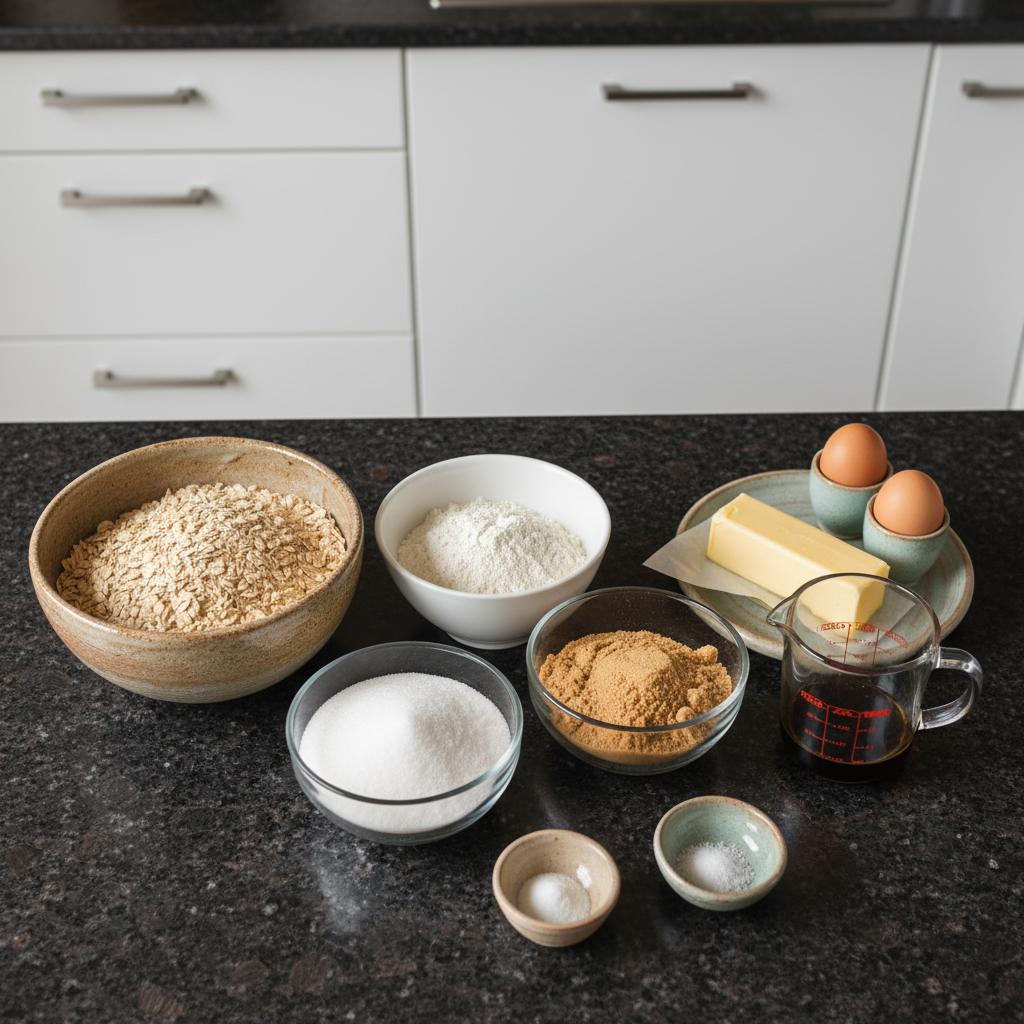
Gathering your ingredients is the first step to baking bliss. Here’s exactly what you’ll need for these incredible lacy oatmeal cookies:
- 1 cup (2 sticks) unsalted butter
- 1 ½ cups granulated sugar
- ½ cup packed light brown sugar
- 1 large egg
- 1 teaspoon vanilla extract
- 1 ½ cups all-purpose flour
- 1 teaspoon baking soda
- ½ teaspoon salt
- 2 cups old-fashioned rolled oats
Ingredient Notes & Substitutions
A few specific notes on ingredients can make all the difference in achieving the perfect crispy texture and flavor for your lacy oatmeal cookies:
- Butter: I always recommend using a good quality unsalted butter for browning. The fresher, the better! Unsalted butter allows you to control the salt content in the recipe, and the browned butter provides that incredible nutty depth.
- Sugars: This recipe uses a combination of granulated sugar and brown sugar. The granulated sugar is essential for the cookie’s spread and crispness, while a touch of brown sugar adds a subtle chewiness and molasses flavor that balances the sweetness and complements the oats. This specific sugar ratio for crispness is key.
- Oats: For the best results, use old-fashioned rolled oats. They provide the perfect texture and allow for that beautiful lacy pattern to develop. Avoid instant or quick-cooking oats, as they are too finely processed and won’t give you the desired spread or chew. If you need a gluten-free option, ensure you use certified gluten-free oats.
- Flour: All-purpose flour is standard here. For gluten-free options, a 1:1 gluten-free baking blend can often be substituted, but results may vary slightly in spread and texture. Ensure your blend contains xanthan gum.
- Vanilla Extract: Don’t skimp on good quality vanilla! It really shines through.
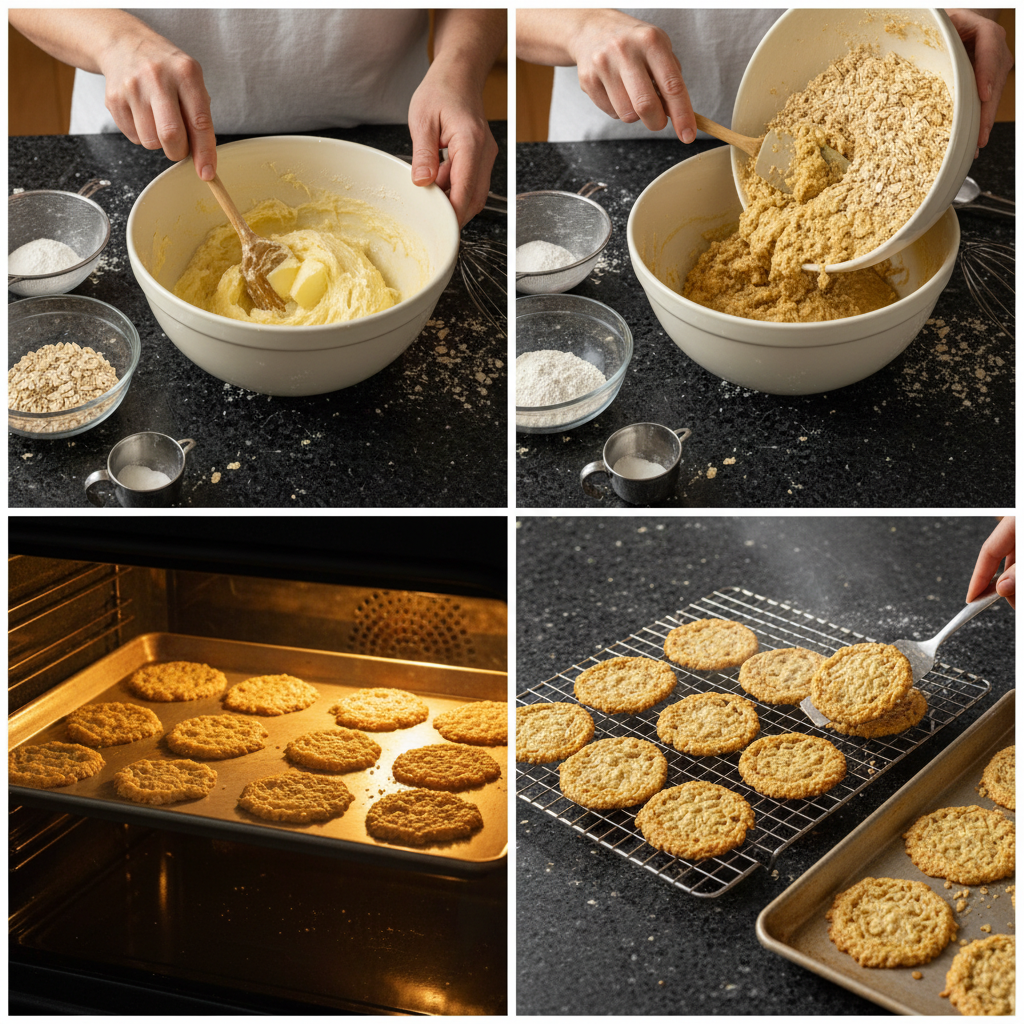
How to Make Lacy Oatmeal Cookies
Ready to bake? Follow these steps closely, and you’ll be enjoying these perfectly crisp lacy oatmeal cookies in no time!
Prep and Brown the Butter
- First things first, preheat your oven to 375°F (190°C). Line two large baking sheets with parchment paper this is crucial for easy removal and preventing sticking.
- Now for the magic: browning the butter. In a light-colored saucepan (so you can see the color change easily), melt the 1 cup of unsalted butter over medium heat. Continue cooking, swirling occasionally, until the butter turns a beautiful amber color and delightful nutty, toasted bits form at the bottom. As soon as you see those browned bits and smell the nutty aroma, immediately remove the pan from the heat. Pour the browned butter into a separate heatproof bowl to cool slightly; this stops the cooking process and prevents burning.
Mix the Wet Ingredients
- In a large mixing bowl, whisk together the slightly cooled browned butte, granulated sugar, and brown sugar until they are well combined and smooth.
- Beat in the large egg and the vanilla extract, mixing until the mixture is completely smooth and luscious.
Combine Dry and Wet Ingredients
- In a separate medium bowl, whisk together the all-purpose flour, baking soda, and salt. This ensures all your dry ingredients are evenly distributed.
- Gradually add the dry ingredients to your wet ingredients, mixing only until they are just combined. Be careful not to overmix the dough, as this can lead to tougher cookies.
- Stir in the old-fashioned rolled oats until they are evenly distributed throughout the dough. The dough will be fairly loose.
Bake and Cool to Perfection
- This is key for achieving the lacy effect: drop rounded tablespoons of dough onto your prepared baking sheets. Make sure to leave at least 3 inches between each cookie, as these will spread significantly. Trust me, you don’t want them merging into one giant cookie sheet!
- Bake for 8-10 minutes, or until the edges are a deep golden brown and the centers are set but still look delicate. Keep a close eye on them – the thinness means they can go from perfect to overdone quickly.
- Let the cookies cool on the baking sheet for 5 minutes. They will be very fragile when hot. After 5 minutes, carefully transfer them to a cooling rack to cool completely. This crucial step allows them to fully crisp up and firm to that wonderful, delicate lacy texture.
Achieving the Perfect Lacy Texture & Troubleshooting Spread
The beauty of lacy oatmeal cookies lies in their delicate, crisp structure and wide spread. Here’s a little insight into how to master them and what to do if things don’t go exactly as planned.
The Science Behind Laciness
Achieving that signature lacy cookie spread and crispy texture is a delicate balance of ingredients and technique. The unique aspect of our recipe, browned butter, plays a huge role. By removing some of the water and caramelizing the milk solids, the butter’s fat composition changes, leading to less steam in the oven and a thinner, more controlled spread. The high sugar ratio for crispness also contributes significantly; sugar melts quickly, encouraging the dough to spread. Baking soda effects are minimal in preventing spread here, as the goal is thinness. The dough’s initial loose consistency is designed to encourage generous cookie spread, allowing the oats to separate and create those beautiful, airy holes.
Troubleshooting Uneven Spread or Burning Edges
Even for experienced bakers, lacy cookies can sometimes present a challenge. Here are solutions to common issues:
- Cookies aren’t spreading enough?
- Dough too cold: If your dough is too cold, it won’t spread as much. Let it sit at room temperature for 10-15 minutes before scooping.
- Too much flour: Always measure flour by weight if possible, or spoon it into the measuring cup and level it off. Too much flour will make the dough stiff and prevent spread.
- Wrong oven temperature: An oven that’s too cool won’t melt the butter and sugar fast enough to get the spread you need. Ensure your oven temperature consistency by using an oven thermometer.
- Edges burn before the center cooks?
- Oven too hot: Again, an oven thermometer is your best friend. Reduce the temperature slightly if you notice consistent burning.
- Thin spots in dough: Try to make your dough drops as uniform in thickness as possible to ensure even baking.
- Baking sheet material: Darker baking sheets can absorb more heat and cause faster browning. Lighter, reflective baking sheets are generally better for delicate cookies. Always use parchment paper to help prevent sticking and promote even baking.
- Inconsistent cookie size and thickness?
- Use a small cookie scoop (about 1.5 tablespoons) for even portions. Eyeballing can lead to some cookies burning while others are underbaked.
- Ensure you leave plenty of space between cookies at least 3 inches to allow for full, even spread without merging.
Pro Tips & Troubleshooting
Baking lacy oatmeal cookies is a joy, and with these expert tips and awareness of common pitfalls, you’ll achieve perfection every time.
Pro Tips
- Embrace the Browned Butter: Don’t skip browning the butter! It’s the unique twist that elevates this recipe. Keep a close eye on it, swirl frequently, and remove it from the heat as soon as you see those amber bits and smell the nutty aroma.
- Cool the Browned Butter Slightly: Ensure the browned butter cools for a few minutes before adding it to the sugars. This prevents it from melting the sugars too much too early.
- Parchment Paper is Your Friend: Always use parchment paper on your baking sheets. These cookies are delicate and prone to sticking, and parchment ensures easy, tear-free removal.
- Give Them Space: These cookies spread generously! Leave at least 3 inches between each dough dollop on the baking sheet to prevent them from baking into one another.
- Watch Closely: Due to their thinness, lacy oatmeal cookies bake quickly. Keep a close eye on them during the last few minutes to prevent overbaking. You’re looking for deep golden edges.
- Cool Completely on a Cooling Rack: Allowing the cookies to cool completely on a cooling rack is essential for developing their ultimate **crispy texture**. They will be soft right out of the oven but firm up beautifully as they cool. This is one of the most important **proper cooling techniques**.
Common Mistakes to Avoid
- Overmixing the Dough: This is a classic mistake. Overmixing develops gluten, which can lead to tough, chewy cookies instead of delicate, crisp ones. Mix until just combined.
- Using the Wrong Oats: Opt for old-fashioned rolled oats. Using quick oats will result in a different, less lacy texture and might prevent the desired spread.
- Not Browning the Butter Enough (or Too Much): If you don’t brown it enough, you miss out on that nutty flavor. If you burn it, it will taste bitter. Practice makes perfect here!
- Baking on Unlined Sheets: Lacy cookies are delicate and tend to stick. Baking directly on an unlined, ungreased sheet is a recipe for broken cookies. Always use parchment.
- Removing Them Too Soon From Baking Sheet: They are very fragile when warm. Give them those 5 minutes on the baking sheet to set up a bit before carefully transferring to the cooling rack.
- Not Allowing Enough Spread Room: Underestimating how much these cookies spread is a common pitfall. If they merge, they won’t get those distinct lacy edges.
Serving & Storage
Serving Ideas
These lacy oatmeal cookies are fantastic on their own, but their delicate nature makes them incredibly versatile for serving:
- Classic Pairing: Enjoy them with a hot cup of coffee or tea, or a tall glass of cold milk.
- Dessert Enhancement: They make an elegant accompaniment to a scoop of vanilla bean ice cream or a dollop of whipped cream and fresh berries.
- Creative Crumble: Crush a few cookies and sprinkle them over yogurt, oatmeal, or a fruit crisp for added texture and flavor.
- Sophisticated Platter: Arrange them on a dessert platter alongside easy icebox cookie recipes for a beautiful presentation.
Storage and Make-Ahead
Maintaining the crispy texture of lacy oatmeal cookies is key for storage:
- Room Temperature: Once completely cooled, store the lacy oatmeal cookies in an airtight container at room temperature for up to 5-7 days. To prevent them from becoming soft, you can place a piece of paper towel in the container to absorb any excess moisture.
- Freezing Baked Cookies: These cookies freeze well! Once fully cooled, layer them between sheets of parchment paper in an airtight container or freezer bag. They can be frozen for up to 2-3 months. Thaw at room temperature. For a quick refresh of crispness, you can pop them in a 250°F (120°C) oven for 3-5 minutes.
- Freezing Dough: You can scoop rounded tablespoons of dough onto a parchment-lined baking sheet and freeze until firm. Once firm, transfer the dough balls to an airtight freezer bag for up to 3 months. When ready to bake, place frozen dough balls on a prepared baking sheet and bake for an additional 2-4 minutes beyond the recipe’s recommended time, or until golden and crisp.
Conclusion
There you have it my secret to truly perfect lacy oatmeal cookies, where the simple yet profound act of using browned butter transforms a humble treat into a crisp, flavorful masterpiece. I truly believe that even if you’re new to baking, the detailed steps and tips I’ve shared will empower you to create these delicate, wonderfully thin cookies right in your own kitchen.
So, go ahead, preheat that oven, brown that butter, and get ready to enjoy the ultimate crispy texture and nutty depth. I encourage you to try this recipe, perhaps serve them with your favorite ice cream, or simply savor one with your morning coffee. Happy baking, and don’t forget to share your beautifully lacy creations!
FAQ
What makes these cookies so lacy and crisp?
The key to their lacy and crispy texture lies in a few factors: the high ratio of sugar to flour, the specific moisture content of the dough (influenced by the browned butter ), and their thin spread during baking. The sugars melt and caramelize quickly, creating those delicate, airy holes as the cookies spread thinly on the baking sheet.
Can I make these gluten-free?
Yes, you can! To make these lacy oatmeal cookies gluten-free, simply use certified gluten-free oats and substitute the all-purpose flour with a 1:1 gluten-free baking blend that contains xanthan gum. Results should be very similar, though texture might vary slightly.
How do I store lacy oatmeal cookies to keep them crisp?
To maintain their delicate crispy texture, store fully cooled lacy oatmeal cookies in an airtight container at room temperature. Placing a piece of paper towel in the container can help absorb any moisture, preventing them from becoming soft. Avoid storing them in the refrigerator, which can make them chewy.
Can I freeze the dough or baked cookies?
Absolutely! You can freeze scooped cookie dough balls for up to 3 months. Bake from frozen, adding a few extra minutes to the baking time. Baked lacy oatmeal cookies also freeze well for 2-3 months when stored in an airtight container, separated by parchment paper. Thaw at room temperature, or briefly warm in a low oven to restore crispness.
Why are my lacy oatmeal cookies chewy instead of crisp?
If your cookies are chewy cookies instead of crisp, it’s often due to overmixing the dough (which develops too much gluten), using too much flour, or not allowing them to spread thin enough. Ensure you measure ingredients accurately, mix just until combined, and give them ample space on the baking sheet to spread for that desired lacy effect.
What kind of oats should I use?
For the best lacy texture and spread, I strongly recommend using old-fashioned rolled oats. They provide the ideal structure and allow for the distinct lacy pattern. Avoid using quick oats or instant oats, as their finer texture will result in a different, less desirable outcome for this recipe.
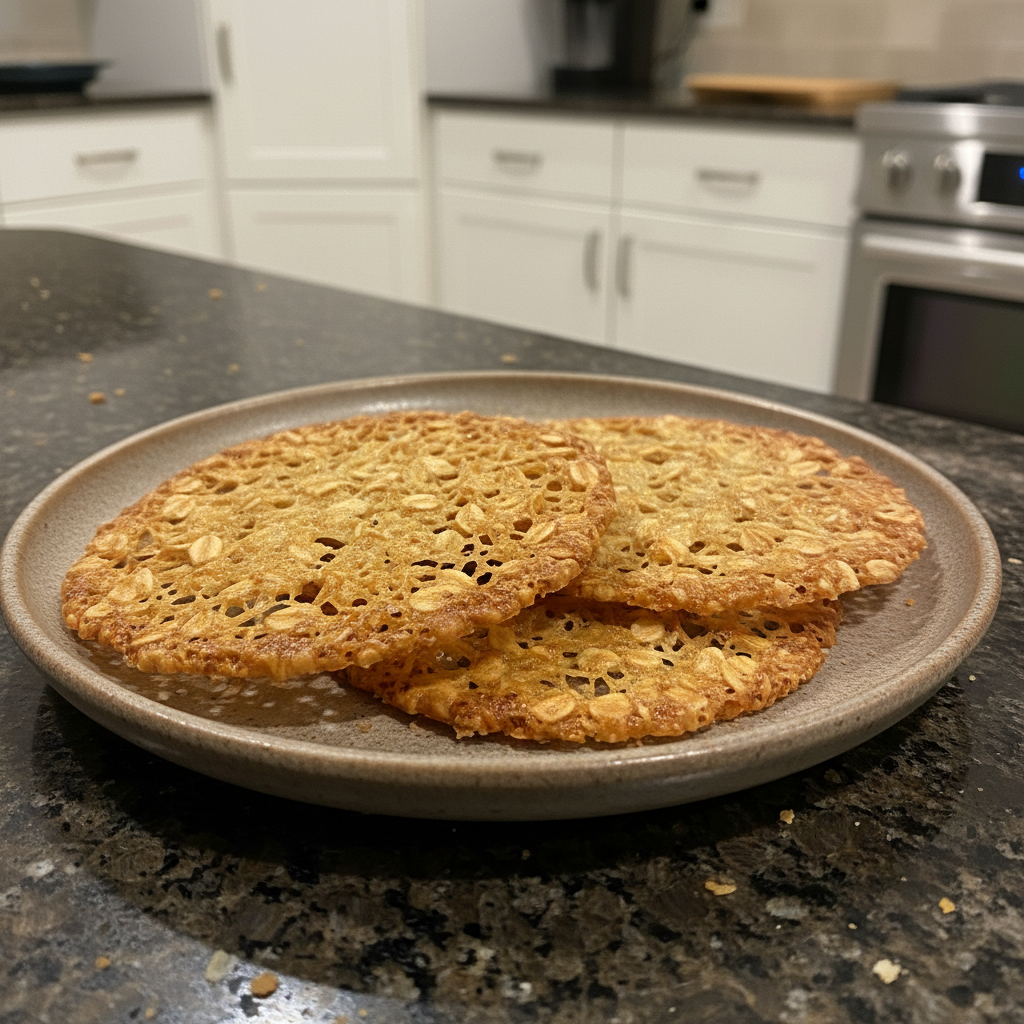
Perfect Lacy Oatmeal Cookies: The Crispiest & Thinnest Recipe!
Ingredients
Equipment
Method
- First things first, preheat your oven to 375°F (190°C). Line two large baking sheets with parchment paper – this is crucial for easy removal and preventing sticking.
- Now for the magic: browning the butter. In a light-colored saucepan, melt the 1 cup of unsalted butter over medium heat. Continue cooking, swirling occasionally, until the butter turns a beautiful amber color and delightful nutty, toasted bits form at the bottom. As soon as you see those browned bits and smell the nutty aroma, immediately remove the pan from the heat. Pour the browned butter into a separate heatproof bowl to cool slightly; this stops the cooking process and prevents burning.
- In a large mixing bowl, whisk together the slightly cooled browned butter, granulated sugar, and brown sugar until they are well combined and smooth.
- Beat in the large egg and the vanilla extract, mixing until the mixture is completely smooth and luscious.
- In a separate medium bowl, whisk together the all-purpose flour, baking soda, and salt. This ensures all your dry ingredients are evenly distributed.
- Gradually add the dry ingredients to your wet ingredients, mixing only until they are just combined. Be careful not to overmix the dough, as this can lead to tougher cookies.
- Stir in the old-fashioned rolled oats until they are evenly distributed throughout the dough. The dough will be fairly loose.
- This is key for achieving the lacy effect: drop rounded tablespoons of dough onto your prepared baking sheets. Make sure to leave at least 3 inches between each cookie, as these will spread significantly. Trust me, you don’t want them merging into one giant cookie sheet!
- Bake for 8-10 minutes, or until the edges are a deep golden brown and the centers are set but still look delicate. Keep a close eye on them – the thinness means they can go from perfect to overdone quickly.
- Let the cookies cool on the baking sheet for 5 minutes. They will be very fragile when hot. After 5 minutes, carefully transfer them to a cooling rack to cool completely. This crucial step allows them to fully crisp up and firm to that wonderful, delicate lacy texture.
