


Oh, the comforting aroma of banana bread! It’s a scent that instantly transports me to cozy kitchens and happy memories. But what if you could capture that same warmth and flavor in an irresistible, perfectly portioned cookie? Enter my absolute favorite recipe for Banana Bread Cookies. These aren’t just any cookies; they’re designed for superior flavor and texture, ensuring you get soft, chewy results every single time. Get ready to transform your overripe bananas into the ultimate treat that’s both easy to make and utterly delightful.
Why You’ll Love This Recipe
I’ve baked countless cookies in my kitchen, and these Banana Bread Cookies stand out because of a few clever techniques that truly elevate them. This recipe isn’t just about mixing ingredients; it’s about building layers of flavor and perfecting that coveted soft, chewy cookie texture.
- Browned Butter: This is where the magic begins! Before mixing, I brown the butter, allowing the milk solids to toast and undergo the Maillard reaction. This process introduces a deep, nutty, caramel-like flavor that profoundly enhances the natural sweetness of the banana and the warmth of the cinnamon. It adds a richness that plain melted butter or even vegetable oil simply can’t achieve, creating truly exceptional soft cookies.
- Touch of Cornstarch: My secret weapon for ultimate tenderness! Adding just 1/2 teaspoon of cornstarch to the all-purpose flour might seem small, but it makes a huge difference. Cornstarch helps to tenderize the cookie by inhibiting some gluten development, and it also absorbs excess moisture. The result? A wonderfully soft and chewy cookie that resists excessive spreading, giving you that perfect cookie texture.
- Chilled Dough: Patience is a virtue here, but it pays off! Refrigerating the scooped dough balls for a minimum of 30 minutes is a critical step. This chilling period solidifies the fats in the dough, preventing them from melting too quickly in the oven. This controlled melt-rate leads to thicker cookies with beautifully chewy edges and a more consistent, satisfying chew throughout. It’s also a simple recipe for transforming overripe bananas into a satisfying dessert or snack.
Ingredients Needed
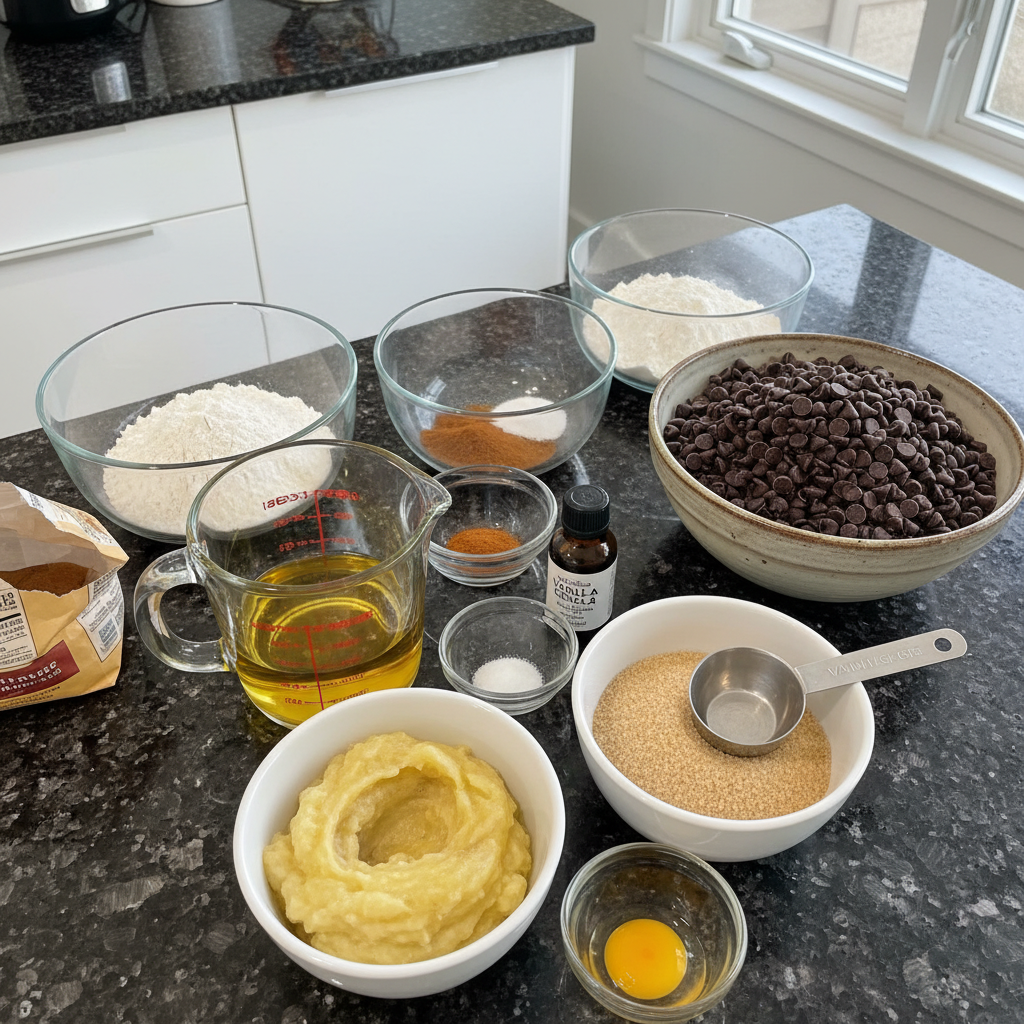
- 1 small overripe banana, mashed (it should measure 1/4 cup–if it’s more just discard the overflow)
- 1/2 cup vegetable oil or melted butter
- 1 cup light brown sugar, packed
- 1 egg yolk*
- 1 teaspoon vanilla extract
- 1 1/3 cups all purpose flour
- 1/2 teaspoon baking soda
- 2 teaspoons ground cinnamon
- 1/2 teaspoon salt
- 2/3 cup chocolate chips
Ingredient Notes & Substitutions
- Overripe Bananas: For the best banana flavor and maximum sweetness, always use very ripe bananas with plenty of brown spots. The ripeness profoundly impacts both the flavor intensity and the moist cookies’ texture. It’s crucial to stick to exactly 1/4 cup mashed banana for optimal cookie texture; any more can make the dough too wet.
- Browned Butter: The simple process of browning butter involves melting it until the milk solids turn golden brown and smell nutty. This develops a complex flavor far superior to vegetable oil. If using butter, I recommend unsalted butter so you can control the salt content in the recipe more precisely.
- Flour: Proper flour measurement is key! I always use the spoon and level method: spoon the all-purpose flour into your measuring cup, then level it off with a straight edge. Scooping directly from the bag can compact the flour, leading to too much flour and dense, dry results or even cakey cookies. For variations, you can experiment with whole wheat flour for a nuttier flavor or a 1:1 gluten-free flour blend, though note that the cookie texture may vary slightly.
- Cornstarch: As mentioned in our unique twist, this little addition is fantastic for creating a tender, chewy cookie and helping to prevent excessive spreading, contributing to a truly lovely cookie texture.
- Egg Yolk: We use just an egg yolk here because it adds richness and chewiness without the extra liquid of a whole egg, which can affect the cookie’s structure. For a vegan option, a flax egg (1 tablespoon ground flaxseed meal + 2.5 tablespoons water, mixed and rested for 5 minutes) can be a suitable substitute.
- Sugar: Light brown sugar is essential for both its sweetness and its role in keeping these cookies moist and chewy. If your overripe bananas are exceptionally sweet, you might consider slightly reducing the light brown sugar to your preference.
- Chocolate Chips & Add-Ins: Feel free to get creative with your chocolate chips! Dark, milk, or even white chocolate chips work wonderfully. For extra texture and flavor, consider folding in 1/2 cup of chopped walnuts or pecans, or even a hint of pumpkin spice.
How to Make Chewy Banana Bread Cookies
My kitchen is my happy place, and baking these Banana Bread Cookies brings me so much joy. Follow these steps for truly exceptional, perfectly chewy results!
Step 1: Prep & Brown Butter
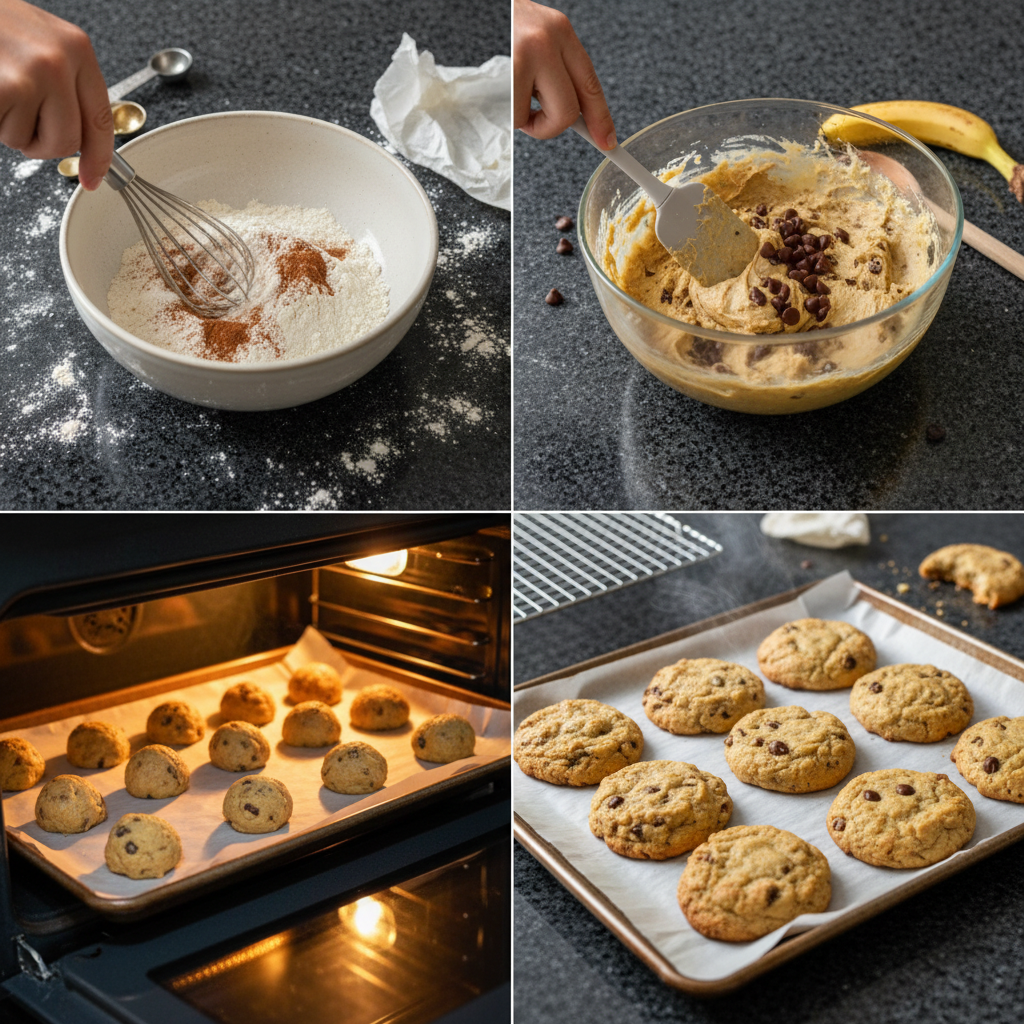
First, get all your ingredients ready and measured. If using butter, melt it in a light-colored saucepan over medium heat. Swirl occasionally as it melts, then watch carefully as it foams, then subsides. Continue cooking until you see golden brown flecks at the bottom and a rich, nutty aroma fills your kitchen – that’s the Maillard reaction doing its magic! Immediately pour the browned butter into a large mixing bowl to stop the cooking. If using vegetable oil, simply combine it with the light brown sugar and mashed banana in your large bowl. Mix until the mixture is well combined and creamy, a delightful anticipation of what’s to come.
Step 2: Wet Ingredients
To this creamy base, add the egg yolk and vanilla extract. Mix thoroughly until all the wet ingredients are fully incorporated, ensuring the mixture is smooth and evenly colored.
Step 3: Dry Ingredients
In a separate, medium-sized bowl, whisk together the all-purpose flour, baking soda, ground cinnamon, salt, and importantly, the 1/2 teaspoon of cornstarch. This thorough whisking ensures even distribution of the leavening and our secret tenderness booster. Add these dry ingredients to your wet mixture. Stir gently with a spatula or wooden spoon until just combined, stopping as soon as no streaks of flour remain. Overmixing the dough can develop too much gluten development, leading to a cakey or bread-like texture, so mix just enough.
Step 4: Fold in Chocolate Chips & Hydrate Dough
Gently fold in the chocolate chips until they are evenly distributed throughout the dough. Cover the bowl with plastic wrap and set aside to let the flour hydrate in the dough for about 15 minutes while your oven preheats. You’ll notice the dough is quite wet at this stage, but don’t worry, this helps with the final moist cookie texture!
Step 5: Scoop & Chill
Line a cookie sheet with parchment paper and preheat your oven to 350°F (175°C). Using a 1-ounce cookie scoop or two spoons, scoop out uniform dough balls, placing them about 2 inches apart on the prepared cookie sheet. Now for a crucial step for chewy cookies: refrigerate the scooped dough balls on the cookie sheet for a minimum of 30 minutes. This chilling period is vital for preventing flat cookies and ensures a thicker, chewier cookie with a beautiful shape.
Step 6: Bake
Place your chilled dough balls into the preheated oven. Bake for 10 to 11 minutes. You’ll know they’re ready when the edges are set and the cookies have puffed up, but the middles still look slightly underbaked and soft. This slight underbaking is my expert tip for achieving truly gooey centers that set perfectly as they cool.
Step 7: Cool
Allow the cookies to cool on the cookie sheet for about 5 minutes. This brief resting period helps them firm up without becoming brittle. Then, carefully transfer them to a cooling rack to cool completely. This allows air to circulate, ensuring the desired cookie texture and preventing them from getting soggy on the bottom.
Perfecting Your Banana Bread Cookies: Texture & Troubleshooting
Achieving the perfect Banana Bread Cookie is a journey, and I’m here to guide you through it. Let’s tackle some common questions and ensure your cookies are always a success!
Achieving the Ideal Chewy Texture
- Banana Ripeness: The ripeness of your overripe banana profoundly impacts both the flavor and moist cookies’ texture. Very ripe bananas (the ones with plenty of brown spots) contribute more natural sweetness and moisture, which helps create those wonderfully soft and moist cookies. If your bananas are extremely ripe, you might slightly reduce the light brown sugar to balance the sweetness. Remember, 1/4 cup mashed banana is the sweet spot for optimal cookie texture.
- Flour Measurement: Precision with flour is crucial! Always use the spoon and level method for proper flour measurement techniques. This means gently spooning the all-purpose flour into your measuring cup and then leveling it off with a straight edge, rather than scooping directly from the bag. Scooping packs too much flour, leading to dense, dry results and potentially cakey cookies.
- Handling Wet Dough: Don’t be alarmed if your banana cookie dough is very sticky—this is normal and desirable for a moist cookie! Beyond just using a cookie scoop, some tips for handling the ‘wet dough’ consistency include lightly dampening your hands before rolling, or using a second spoon to help scrape the dough off the scoop onto the baking sheet. This helps you achieve desired shapes without frustration.
- Baking Time Adjustments: The key to that perfect chewy, soft cookie is often slight underbaking, allowing the middles to remain a little gooey and set as they cool. If you prefer crispier edges, you can bake for an extra minute or two, but keep a close eye on them to prevent overbaking.
Troubleshooting Common Cookie Problems
- Cakey Cookies: If your cookies turn out more like cake than a soft, chewy cookie, it’s often due to overmixing the dough, which develops too much gluten development. It can also be caused by using too much flour or insufficient fat. Ensure you mix gently until just combined and measure your ingredients precisely.
- Flat Cookies: There are a few common reasons for flat cookies. Insufficient dough chilling is a major culprit, as the fat melts too quickly. Using too much mashed banana (more than 1/4 cup) can make the dough too wet, causing excessive spreading. Additionally, if your butter was too warm when mixed, it can lead to flat cookies. Always reinforce the unique twist of chilling the dough for at least 30 minutes!
- Overly Soft Cookies: If your cookies are too soft and not setting properly, they might be slightly underbaked. Ensure your mashed banana quantity is exact, as too much moisture can also contribute to an overly soft texture. Adjusting the baking time by an extra minute can often solve this.
Pro Tips & Troubleshooting
Baking is an art and a science, and a few expert insights can make all the difference for your Banana Bread Cookies.
Pro Tips for Success
- Very Ripe Bananas: Always use very ripe, brown bananas. They provide maximum sweetness and intense banana flavor, which is fundamental to this recipe.
- Don’t Overmix: Once you add the dry ingredients, stop mixing as soon as no streaks of flour remain. Overmixing the batter develops gluten, leading to a bread-y or dry texture.
- Underbake Slightly: My top tip for gooey centers! Underbake cookies slightly so the middles are still soft and appear a little wet. They will continue to set as they cool, ensuring a moist, tender interior.
- Chill the Dough: This step, from our unique twist, is critical. Chilling the dough prevents excessive spreading and significantly improves cookie texture, giving you those coveted chewy edges and soft centers.
- Flaky Sea Salt: For a gourmet touch, sprinkle a tiny bit of flaky sea salt on top of the cookies before or immediately after baking. It enhances the flavors beautifully.
- Cornstarch Boost: Remember, the added cornstarch is your secret weapon for a truly chewy and tender cookie. Don’t skip it!
Common Mistakes to Avoid
- Overmixing: Guard against overmixing the dough. This common mistake develops too much gluten, which results in a cakey or bread-like texture rather than a soft, chewy one.
- Too Much Banana: Using more than 1/4 cup of mashed banana can make the dough too wet. This excess moisture often leads to flat cookies that spread too much in the oven.
- Not Chilling: Skipping the chilling step (especially when using melted butter or oil) is a fast track to cookies that spread excessively and lose their delightful thickness.
- Incorrect Flour Measurement: Avoid simply scooping flour from the bag. This can compact it, adding too much to your recipe and leading to dense or dry cookies. Always spoon and level!
Serving & Storage
Once you’ve perfected your batch of Banana Bread Cookies, it’s time to enjoy them! Here’s how I like to serve them and keep them fresh.
Serving Ideas
- Classic Pairings: There’s nothing quite like serving these warm with a tall, cold glass of milk, or alongside a comforting mug of coffee or tea for an afternoon treat.
- Enhanced Flavor: For an extra pop of flavor that cuts through the sweetness, a light sprinkle of flaky sea salt right after baking truly enhances the sweetness and spice notes.
- Dessert Toppers: Turn these into a decadent dessert by serving them slightly warm alongside a scoop of vanilla ice cream, or with a luscious drizzle of caramel sauce.
Storage and Make-Ahead
- Baked Cookie Storage: For optimal freshness, store baked banana bread cookies in an airtight container at room temperature for up to 3-4 days. You can also refrigerate them for up to a week. To freeze baked cookies, place them in a single layer on a cookie sheet until firm, then transfer to a freezer-safe bag or container for up to 3 months. Thaw at room temperature.
- Freezing Raw Dough: These cookies are excellent for make-ahead convenience! To freeze raw cookie dough, scoop the dough balls onto a parchment-lined cookie sheet and freeze until solid, about 1-2 hours. Once frozen, transfer the dough balls to a freezer-safe bag or container and store for up to 3 months. When ready to bake, place frozen dough balls on a prepared cookie sheet and bake as directed, adding an extra 1-2 minutes to the baking time.
- Reheating: To restore that fresh-baked goodness, you can reheat cookies for a few seconds in the microwave, or for 5-7 minutes in a low oven (around 275°F/135°C) until warmed through.
Conclusion
There you have it—my ultimate recipe for unbelievably soft, chewy, and spiced Banana Bread Cookies! By embracing the unique twist of browned butter for depth, a touch of cornstarch for tenderness, and the crucial step of chilling the dough for perfect texture, you’re set to bake truly exceptional cookies. Whether you’re a seasoned baker or just starting out, these simple steps and expert tips will guide you to success. Don’t hesitate to experiment with the variations or serving ideas I’ve shared. I encourage you to whip up a batch, share your creations, and enjoy the delightful magic of these amazing cookies!
FAQ
How do you store banana bread cookies for optimal freshness?
To keep your banana bread cookies fresh, store them in an airtight container at room temperature for 3-4 days. For longer storage, you can refrigerate them for up to a week, or freeze baked cookies for up to 3 months. Always ensure they are completely cooled before storing to prevent sogginess.
Can I freeze raw banana bread cookie dough for future baking?
Absolutely! Freezing cookie dough is a great way to enjoy fresh-baked cookies anytime. Simply scoop the dough balls onto a parchment-lined cookie sheet and freeze until firm, then transfer them to a freezer-safe bag. They can be stored for up to 3 months. Bake from frozen, adding 1-2 minutes to the bake time.
What are the common reasons for banana bread cookies turning out cakey or too flat?
Cakey cookies often result from overmixing the dough, using too much flour, or insufficient fat. Flat cookies are usually caused by insufficient dough chilling, using too much mashed banana (more than 1/4 cup makes dough too wet), or butter that was too warm when mixed. Proper flour measurement (spoon and level) and chilling the dough are key solutions.
What creative variations and dietary substitutions can I make for these cookies?
You can easily customize these! For add-ins, try chopped walnuts, pecans, or different chocolate chips (dark, white, or butterscotch). For a vegan option, use a flax egg instead of the egg yolk. For dietary variations, you can experiment with gluten-free flour blends or whole wheat flour, noting slight texture differences. Feel free to adjust the amount of ground cinnamon or even add a pinch of nutmeg or pumpkin spice for a different flavor profile.
How does banana ripeness affect the flavor and texture of the cookies?
Banana ripeness significantly impacts the cookies. Very ripe bananas (with brown spots) provide maximum sweetness and intense banana flavor, contributing to moist cookies. Using underripe bananas will yield less flavor and sweetness. It’s important to stick to exactly 1/4 cup of mashed banana, as too much moisture from overly large or ripe bananas can affect the cookie texture.
What is the best way to handle sticky banana cookie dough?
It’s normal for this banana bread cookie dough to be a little wet and sticky! To handle the ‘wet dough’ consistency, I recommend using a cookie scoop. If you find it too sticky, you can lightly dampen your hands before rolling, or use two spoons to help scoop and release the dough onto the baking sheet. Chilling the dough also makes it much easier to handle.
Can I reduce the amount of sugar or cinnamon in the recipe?
Yes, you can adjust the light brown sugar to your preference, especially if your overripe bananas are exceptionally sweet. For ground cinnamon, you can certainly reduce it if you prefer a milder spice flavor. Keep in mind that these adjustments might subtly alter the overall flavor balance of the cookies, so adjust incrementally.
Is it okay to use salted butter, and how do I adjust the salt content?
While I recommend unsalted butter to control the salt content, you can use salted butter. If you do, reduce the amount of added salt in the recipe by 1/4 teaspoon. Taste your dough if possible (before adding egg if you are sensitive to raw egg) to ensure the salt level is to your liking, as saltiness can vary between butter brands.
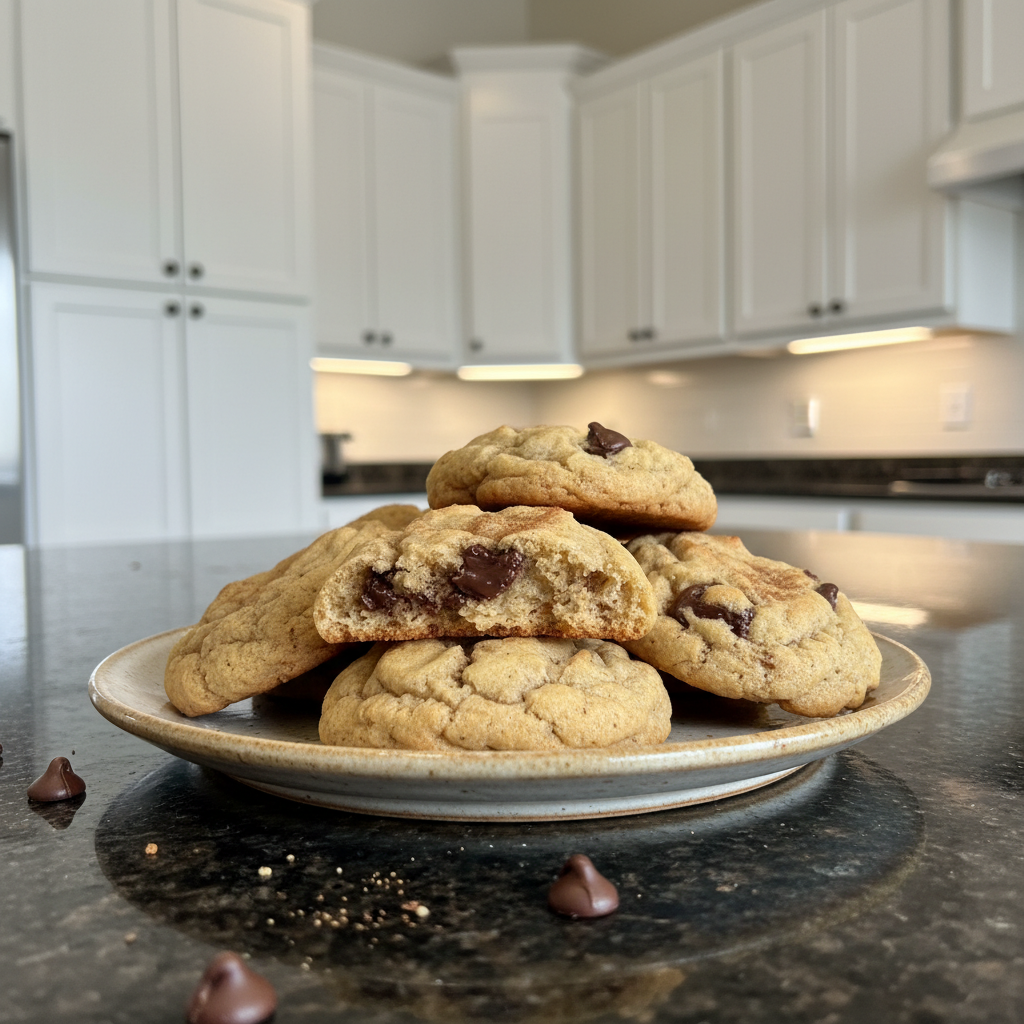
Chewy Browned Butter Banana Bread Cookies (with a Secret Twist!)
Ingredients
Equipment
Method
- First, get all your ingredients ready and measured. If using butter, melt it in a light-colored saucepan over medium heat. Swirl occasionally as it melts, then watch carefully as it foams, then subsides. Continue cooking until you see golden brown flecks at the bottom and a rich, nutty aroma fills your kitchen – that’s the Maillard reaction doing its magic! Immediately pour the browned butter into a large mixing bowl to stop the cooking.
- If using vegetable oil, simply combine it with the light brown sugar and mashed banana in your large bowl. Mix until the mixture is well combined and creamy, a delightful anticipation of what’s to come.
- To this creamy base, add the egg yolk and vanilla extract. Mix thoroughly until all the wet ingredients are fully incorporated, ensuring the mixture is smooth and evenly colored.
- In a separate, medium-sized bowl, whisk together the all-purpose flour, baking soda, ground cinnamon, salt, and importantly, the 1/2 teaspoon of cornstarch. This thorough whisking ensures even distribution of the leavening and our secret tenderness booster. Add these dry ingredients to your wet mixture. Stir gently with a spatula or wooden spoon until just combined, stopping as soon as no streaks of flour remain. Overmixing the dough can develop too much gluten development, leading to a cakey or bread-like texture, so mix just enough.
- Gently fold in the chocolate chips until they are evenly distributed throughout the dough. Cover the bowl with plastic wrap and set aside to let the flour hydrate in the dough for about 15 minutes while your oven preheats. You’ll notice the dough is quite wet at this stage, but don’t worry, this helps with the final moist cookie texture!
- Line a cookie sheet with parchment paper and preheat your oven to 350°F (175°C). Using a 1-ounce cookie scoop or two spoons, scoop out uniform dough balls, placing them about 2 inches apart on the prepared cookie sheet. Now for a crucial step for chewy cookies: refrigerate the scooped dough balls on the cookie sheet for a minimum of 30 minutes. This chilling period is vital for preventing flat cookies and ensures a thicker, chewier cookie with a beautiful shape.
- Place your chilled dough balls into the preheated oven. Bake for 10 to 11 minutes. You’ll know they’re ready when the edges are set and the cookies have puffed up, but the middles still look slightly underbaked and soft. This slight underbaking is my expert tip for achieving truly gooey centers that set perfectly as they cool.
- Allow the cookies to cool on the cookie sheet for about 5 minutes. This brief resting period helps them firm up without becoming brittle. Then, carefully transfer them to a cooling rack to cool completely. This allows air to circulate, ensuring the desired cookie texture and preventing them from getting soggy on the bottom.
