


There is something incredibly comforting about a warm slice of homemade banana bread. It brings back memories of cozy kitchens and sweet aromas filling the air. Today, I am thrilled to share my ultimate sourdough discard banana bread recipe, which elevates this classic treat with a unique caramel twist. This recipe is not just about using up your sourdough discard; it is about creating a truly special quick bread that is easy to follow and delivers superior flavor and an irresistible texture. Get ready to bake a loaf that will impress everyone.
Why You’ll Love This Recipe
You are going to absolutely adore this sourdough discard banana bread for its rich, complex flavors and wonderful texture. My special twist involves using browned butter in place of a neutral oil and folding in toasted pecans or walnuts. Browning butter through the Maillard reaction develops incredibly nutty, complex, and deep caramel notes.
These flavors perfectly complement the sweetness of the bananas and brown sugar, adding an amazing depth to every bite. Toasted nuts introduce a delightful crunchy texture, creating a beautiful contrast to the bread’s soft, velvety crumb. This recipe delivers a soft, rich, velvety, moist bread with a bold caramel taste and a lightly crunchy outside, all while being surprisingly easy to prepare. It is a perfect way to use sourdough discard and satisfy a craving for a truly special treat.
Ingredients Needed
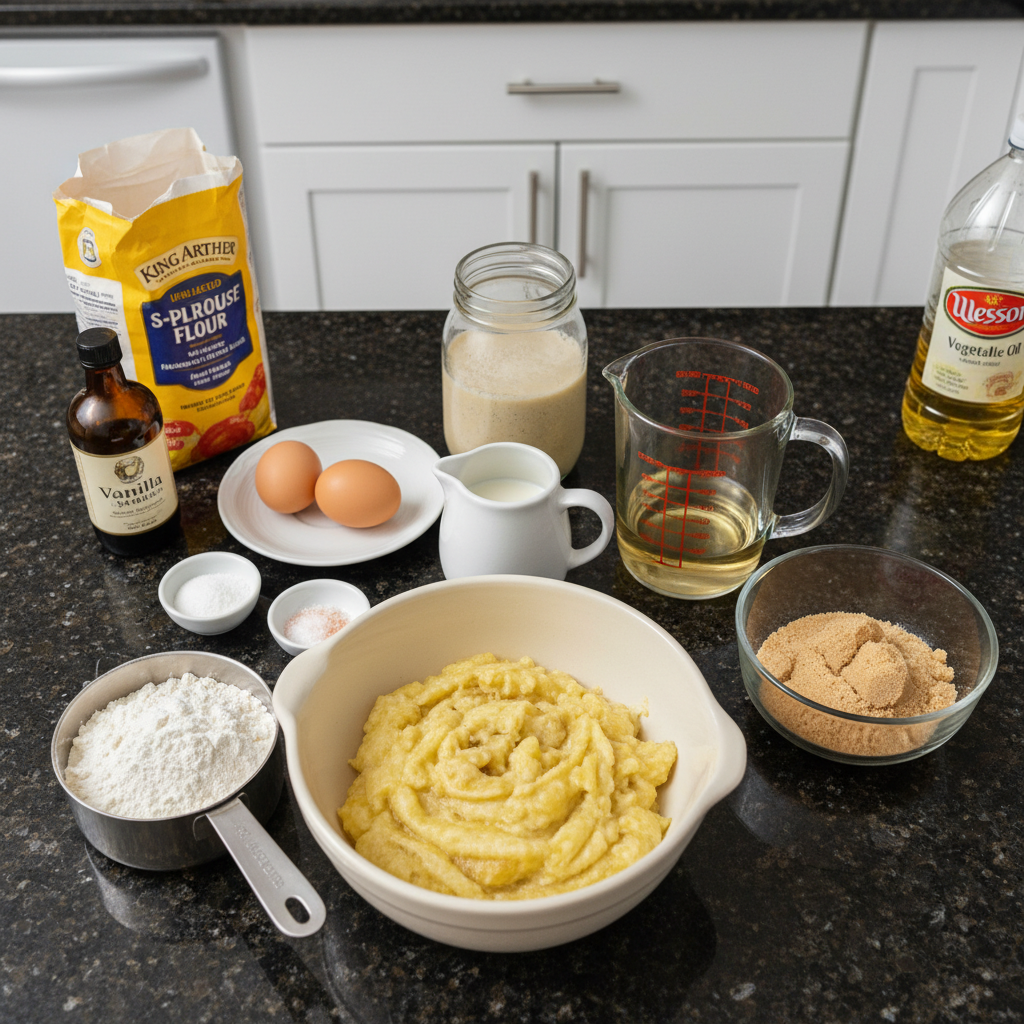
- Butter, for coating the pan
- 375 g overripe bananas (appx. 1 1/2 cups lightly smashed)
- 225 g (1 1/4 cups lightly packed) light or dark brown sugar
- 1½ tsp pure vanilla extract
- 2 large eggs
- 100 g (appx. 1/2 cup) active sourdough starter or sourdough discard
- 250g (2 cups) all-purpose flour
- 1½ tsp baking soda
- 1/4 tsp fine sea salt
- 60ml (1/4 cup) milk
- 125ml (½ cup) neutral flavored oil
- Powdered sugar, butter, and mascarpone cheese for serving, optional
Ingredient Notes & Substitutions
For overripe bananas, look for fruit with brown spots or entirely black peels. This ensures maximum sweetness and intense banana flavor, which is crucial for the best banana bread. If your bananas are not quite ready, you can quickly ripen them by baking them unpeeled on a baking sheet at 300°F (150°C) for 15-30 minutes until soft and black.
The sourdough discard in this recipe primarily contributes to the bread’s moisture and a subtle tang, enhancing the overall flavor. It is not used for leavening in this quick bread, as that role is filled by the baking soda. You can use either active sourdough starter or sourdough discard for this recipe.
Our unique twist uses browned butter instead of neutral flavored oil. To brown butter, melt the butter in a light-colored saucepan over medium heat. Swirl occasionally until the butter foams, then tiny brown bits appear at the bottom, and it smells nutty, signaling the Maillard reaction. This develops an incredible caramel flavor and richness. Let it cool slightly before adding it to the batter.
For the nuts, I recommend toasting walnuts or pecans before folding them into the batter. This significantly enhances their flavor and adds a delightful crunch. Spread them on a baking sheet and toast at 350°F (175°C) for 5-10 minutes, or until fragrant.
If you prefer a less sweet bread, you can reduce the brown sugar to 3/4 cup. Coconut sugar or jaggery can also be used as substitutes for brown sugar, offering a slightly different flavor profile.
For a vegan adaptation, you can use almond milk instead of regular milk. Coconut oil can also be used as a substitute for the neutral flavored oil if you are not browning butter.
For egg replacers in a vegan adaptation, consider using a flax egg (one tablespoon ground flaxseed mixed with three tablespoons water per egg) or aqua faba (three tablespoons per egg). These will help bind the ingredients.
While this recipe uses all-purpose flour, a general gluten-free flour blend can often be substituted, though results may vary slightly in texture and density.
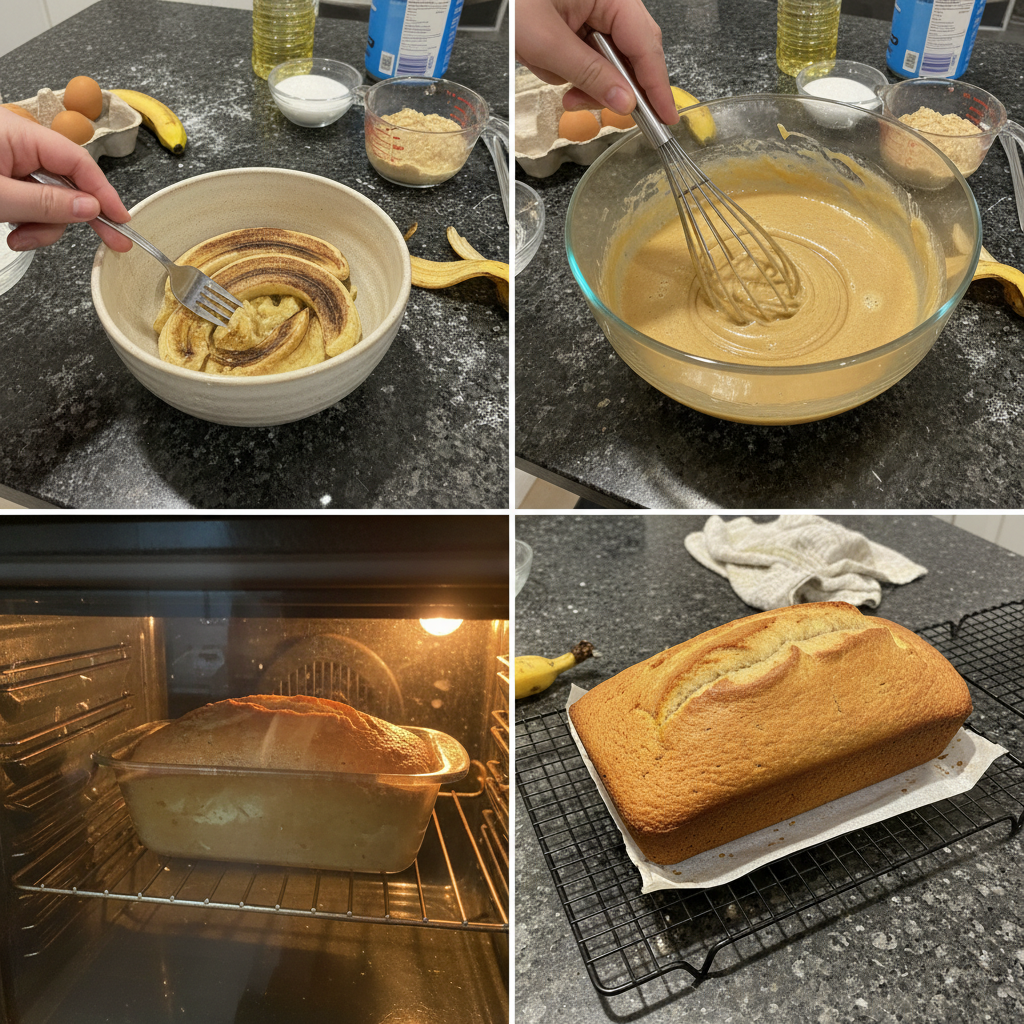
How to Make Sourdough Discard Banana Bread (Step-by-Step)
Prepare Your Pan and Oven
Preheat your oven to 360 F. Lightly coat three 7x3x2 inch mini loaf pans or one standard 9×5 inch loaf pan with butter. For mini loaf pans, it is a good practice to place them onto a baking sheet before transferring to the oven, which makes handling easier.
Mix the Wet Ingredients
In a large mixing bowl, add the overripe bananas, brown sugar, and pure vanilla extract. Using a hand mixer or a stand mixer fitted with the paddle attachment, cream the mixture for about 30 seconds to 1 minute. The mixture will become fragrant and light in color, and some small lumps of banana are perfectly okay. This specific mixing order contributes to a velvety soft texture in the final bread.
Incorporate Eggs and Sourdough
Add the large eggs, one at a time, ensuring each is fully incorporated before adding the next. Then, add the active sourdough starter or sourdough discard to the banana mixture and mix until just combined.
Combine Dry Ingredients
In a separate bowl, sift together the all-purpose flour, baking soda, and fine sea salt. Sifting helps to ensure an even distribution of leavening agents and prevents lumps, contributing to a uniform crumb.
Final Mixing and Assembly
Working in batches, gradually add the sifted dry ingredients to the wet banana mixture. Pour in the milk and the browned butter (or neutral flavored oil) and mix until just combined. It is crucial not to overmix the batter. Overmixing develops the gluten in the flour, which can lead to tough banana bread. Mix only until no streaks of flour remain.
Bake to Golden Perfection
Pour the batter evenly into your prepared pan or pans. If you are using mini loaf pans, ensure they are on a baking sheet. Transfer the pan(s) to the preheated oven. Bake for 45 minutes for mini loaf pans or 60-65 minutes for the standard 9×5 inch pan, until the top is a rich golden brown. To check for doneness, insert a toothpick into the center; it should come out clean. The optimal internal temperature for sourdough banana bread doneness is around 200°F. If your loaf starts browning too quickly, gently tent it with aluminum foil to prevent over-browning.
Cooling and Serving
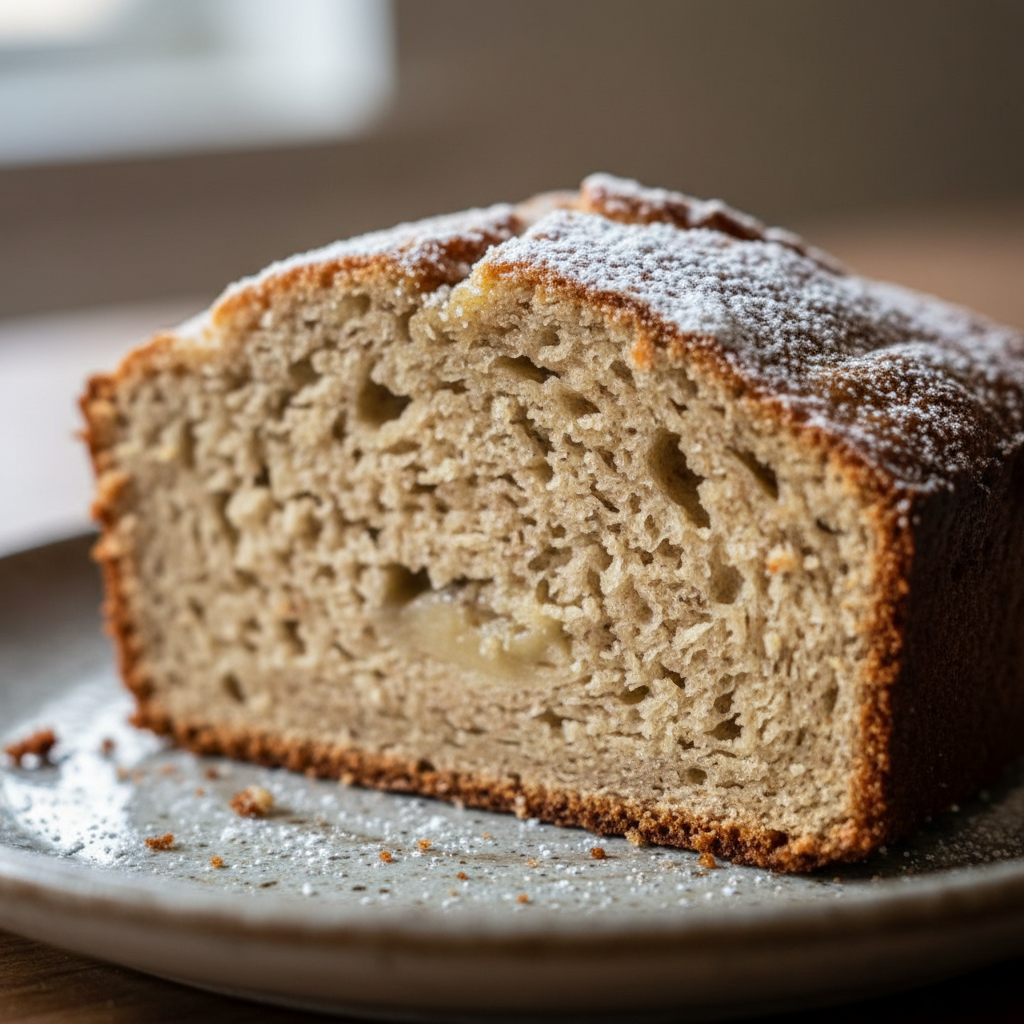
Allow the sourdough discard banana bread to cool in the pan for 20 minutes. This cooling process helps the loaf set and prevents it from crumbling. After 20 minutes, carefully transfer the loaf or loaves to a wire rack to cool completely. Serve with a dusting of powdered sugar for a nice touch, or your favorite toppings.
Understanding Sourdough Discard & Banana Prep
Making delicious sourdough discard banana bread involves understanding a few key elements, especially the role of sourdough discard and how to handle bananas for optimal moisture.
The Role of Sourdough Discard in Quick Breads
In quick bread chemistry, sourdough discard plays a fascinating and important role. It is primarily added for its unique flavor contributions rather than for leavening. The discard brings a subtle tang and a depth of flavor that complements the sweetness of the bananas and brown sugar beautifully. It also significantly contributes to the moist crumb texture of the banana bread.
Unlike an active sourdough starter, which is bubbly and fermented enough to make bread rise, sourdough discard is past its peak activity and will not provide significant lift. That is why this recipe relies on baking soda for its leavening power. The discard acts more like a flavor enhancer and a moisture booster, distinguishing it from traditional banana bread.
Mastering Moisture: Using Frozen Bananas
Frozen bananas are an excellent way to always have overripe bananas on hand for baking. However, they can introduce excess moisture into your batter, potentially leading to a gummy texture. To manage this moisture, always thaw your frozen bananas completely before using them. Place them in a bowl at room temperature or in the microwave until soft.
Once thawed, you will notice a significant amount of liquid. It is crucial to drain off any excess liquid before mashing the bananas and adding them to your batter. Simply press the thawed bananas through a fine-mesh sieve or gently squeeze them in a paper towel. This step helps prevent a gummy texture and ensures your sourdough banana bread bakes to perfection without needing adjustments to dry ingredients or baking time.
Pro Tips & Troubleshooting for Perfect Banana Bread
Achieving the perfect sourdough discard banana bread is all about a few key techniques and knowing how to avoid common pitfalls. Here are my best tips and how to troubleshoot.
Pro Tips for Success
Bake your banana bread at 360°F for optimal lift and a beautiful crust. This slightly higher baking temperature helps create a wonderful rise.
For an exquisite caramel taste, use all brown sugar in your recipe. This complements the browned butter and deepens the overall flavor profile.
Follow the specific mixing order as detailed in the instructions to ensure a velvety soft texture and a moist crumb. Adding wet ingredients in stages helps to emulsify the batter properly.
Consider skipping cinnamon or other strong spices to allow the nuanced caramel flavor from the browned butter and brown sugar to truly shine through.
For an even more intense banana flavor, try roasting or briefly sautéing your overripe bananas before mashing them. This concentrates their natural sugars and deepens their taste.
Always use an internal temperature for doneness check. Around 200°F is the most reliable indicator that your sourdough banana bread is perfectly baked, more so than just a toothpick test.
The flavor of sourdough discard banana bread can deepen significantly after a day or two. The complex notes meld together even more beautifully, so consider making it ahead of time.
Encourage toasting pecans or walnuts before adding them to the batter. This simple step unlocks their maximum nutty flavor and adds an appealing crunch.
Common Mistakes to Avoid
A common mistake is overmixing the batter. This develops the gluten in the all-purpose flour, which can lead to tough banana bread with a rubbery texture instead of a tender, moist crumb.
If you find traditional banana bread too sweet, be aware of excessive sweetness. You can easily adjust the sugar reduction to 3/4 cup without compromising the flavor or texture.
An undercooked middle is frustrating. This can happen with very large loaves or if your oven temperature is uneven. Longer baking times or covering the loaf with aluminum foil if the top browns too quickly can solve this problem.
A gummy or flat texture is often attributed to overmixing or incorrect moisture balance, especially if using frozen bananas that have not been adequately drained of excess liquid.
Skipping the step of browning the butter will impact the unique caramel flavor and overall depth of this recipe’s twist. Do not miss this step for the best results.
Serving & Storage
Once your sourdough discard banana bread is baked to perfection, it is time to enjoy it. Here are some ideas for serving and ensuring its freshness.
Serving Ideas
A simple dusting of powdered sugar makes for a classic and elegant garnish. It adds a touch of sweetness and a beautiful presentation.
For a decadent treat, serve warm slices with a smear of salted butter or a dollop of creamy mascarpone cheese. The savory notes beautifully complement the sweet banana bread.
This sourdough banana bread pairs wonderfully with a hot cup of coffee, a comforting tea, or even a scoop of vanilla ice cream for a dessert-like experience.
For best presentation, slice the bread with a serrated knife once fully cooled. Warming slices slightly in the microwave or oven before serving enhances their aroma and softness.
Storage and Make-Ahead Tips
For short-term storage, keep your sourdough banana bread at room temperature. Wrap it tightly in plastic wrap or store it in an airtight container to maintain its moist crumb and prevent it from drying out. It will stay fresh for up to 3-4 days on the counter.
If you need to store it for a slightly longer period, refrigeration can extend its freshness to about a week. Again, wrap it well in plastic wrap to prevent it from absorbing refrigerator odors or drying out.
Sourdough banana bread freezes beautifully. For freezing entire loaves, wrap the cooled bread tightly in aluminum foil, then in a layer of plastic wrap, to prevent freezer burn. For individual slices, wrap each slice in plastic wrap before placing them in a freezer-safe bag. Frozen banana bread can last for up to 3 months.
To reheat sourdough banana bread, you can warm individual slices in the microwave for 15-30 seconds until heated through. For a whole loaf or multiple slices, wrap them in aluminum foil and warm in a 300°F (150°C) oven for 10-15 minutes, or until soft and fragrant, restoring its fresh-baked feel.
Conclusion
I hope you are now eager to bake this ultimate sourdough discard banana bread. The combination of browned butter and toasted nuts creates a truly bold caramel taste and a velvety texture that elevates this classic quick bread to new heights. It is a testament to how simple tweaks can transform a familiar favorite into something extraordinary.
This recipe is approachable for all home cooks, whether you are new to baking or a seasoned pro. Do not hesitate to try the recommended variations, experiment with serving suggestions, or even add your own mix-ins like chocolate chips or a touch of cinnamon if you desire. I encourage you to share your creations with me, print out this recipe, and explore other delightful ways to use your sourdough discard. Happy baking!
FAQ (Frequently Asked Questions)
What is the difference between active sourdough starter and sourdough discard in this recipe?
In this sourdough discard banana bread recipe, the discard is used primarily for flavor, moisture, and texture enhancement, not for leavening. Active sourdough starter is bubbly and fermented, used for rising bread, while discard is past its peak activity and relies on baking soda for the quick bread’s rise.
How can I adjust the sweetness level of the banana bread?
To make the sourdough banana bread less sweet, you can reduce the amount of brown sugar from 1 1/4 cups to 3/4 cup. This will still provide enough sweetness while highlighting the banana and caramel flavors.
What are popular additions and substitutions for sourdough banana bread?
Popular additions include chocolate chips, toasted walnuts, or pecans for extra flavor and crunch. For vegan adaptation, you can use almond milk for milk and flax eggs or aqua faba for eggs. Coconut sugar or jaggery can substitute brown sugar, and coconut oil can replace neutral oil if not browning butter.
How do I prevent my sourdough banana bread from being undercooked or gummy?
To prevent undercooked or gummy sourdough banana bread, avoid overmixing the batter, which can lead to a tough, gummy texture due to gluten development. Ensure proper moisture balance, especially if using frozen bananas (drain excess liquid). Use the toothpick test and check for an optimal internal temperature of around 200°F for doneness.
Can I bake this sourdough banana bread as muffins, and what baking adjustments are needed?
Yes, you can bake this sourdough banana bread batter as muffins. Fill muffin liners about two-thirds full. Bake at 375°F (190°C) for approximately 20-25 minutes, or until a toothpick inserted into the center comes out clean. Adjust baking time based on your oven and muffin size.
What are the best methods for storing and freezing sourdough banana bread?
For short-term storage, wrap the cooled bread tightly in plastic wrap and store at room temperature for 3-4 days. For longer storage, refrigerate for up to a week. To freeze, wrap the cooled loaf or individual slices in aluminum foil, then plastic wrap, and freeze for up to 3 months. Reheat in the oven or microwave for best results.
What is the optimal internal temperature for sourdough banana bread doneness?
The optimal internal temperature for sourdough banana bread doneness is around 200°F (93°C). Using an instant-read thermometer is the most reliable way to confirm your bread is perfectly baked through.
What’s the best way to use frozen bananas in this recipe?
Thaw frozen bananas completely at room temperature or in the microwave. Crucially, drain off any excess liquid before mashing and incorporating them into the batter. This prevents a gummy texture and ensures proper moisture balance in your sourdough banana bread.
Ultimate Sourdough Discard Banana Bread with Caramel Twist
Ingredients
Equipment
Method
- Preheat your oven to 360°F (180°C). Lightly coat three 7x3x2 inch mini loaf pans or one standard 9×5 inch loaf pan with butter. If using mini loaf pans, place them onto a baking sheet for easier handling.
- In a large mixing bowl, combine the overripe bananas, brown sugar, and pure vanilla extract. Using a hand mixer or a stand mixer with the paddle attachment, cream the mixture for 30 seconds to 1 minute until fragrant and light in color. Small banana lumps are acceptable.
- Add the large eggs one at a time, ensuring each is fully incorporated before adding the next. Then, add the active sourdough starter or sourdough discard to the banana mixture and mix until just combined.
- In a separate bowl, sift together the all-purpose flour, baking soda, and fine sea salt. Sifting helps prevent lumps and ensures even distribution of leavening agents.
- Gradually add the sifted dry ingredients to the wet banana mixture in batches. Pour in the milk and the browned butter (or neutral flavored oil if not using browned butter) and mix until just combined. Do not overmix; stop once no streaks of flour remain to avoid tough bread.
- Pour the batter evenly into your prepared pan or pans. Transfer the pan(s) to the preheated oven. Bake for 45 minutes for mini loaf pans or 60-65 minutes for a standard 9×5 inch pan, until the top is a rich golden brown. Insert a toothpick into the center; it should come out clean. The optimal internal temperature is around 200°F (93°C). If the loaf browns too quickly, tent it with aluminum foil.
- Allow the bread to cool in the pan for 20 minutes to help it set and prevent crumbling. After 20 minutes, carefully transfer the loaf or loaves to a wire rack to cool completely. Serve with a dusting of powdered sugar or your favorite toppings.
