


There is truly nothing quite like the comforting aroma and taste of a perfectly homemade cornbread recipe. It is a staple in my kitchen, a dish that brings warmth and joy to any meal. Today, I am thrilled to share my absolute favorite way to make this classic, resulting in a super moist cornbread with an irresistibly crispy crust. Get ready to master a simple yet superior homemade cornbread that will become your new go-to, perfect for any occasion.
Why You’ll Love This Crispy Crust Cornbread Recipe
My unique twist for this cornbread recipe is simple yet transformative. I always preheat my baking pan, preferably a cast iron skillet, with a tablespoon of butter or oil in the oven until it is shimmering hot before adding the batter.
The scientific magic behind this method is the instant Maillard reaction that occurs when the cold cornbread batter meets that sizzling hot fat. This immediate contact creates an incredibly crispy, golden-brown crust on the bottom and sides of your cornbread.
This technique provides a delightful textural contrast to the tender, moist interior of the cornbread. It also effectively prevents a soggy bottom, which can be a common disappointment with other methods. The result is a superior taste and mouthfeel that elevates this easy cornbread to restaurant-quality status.
You will love how surprisingly easy it is to achieve these fantastic results at home. This is truly the best way to enjoy a versatile side dish or a satisfying snack.
Ingredients Needed
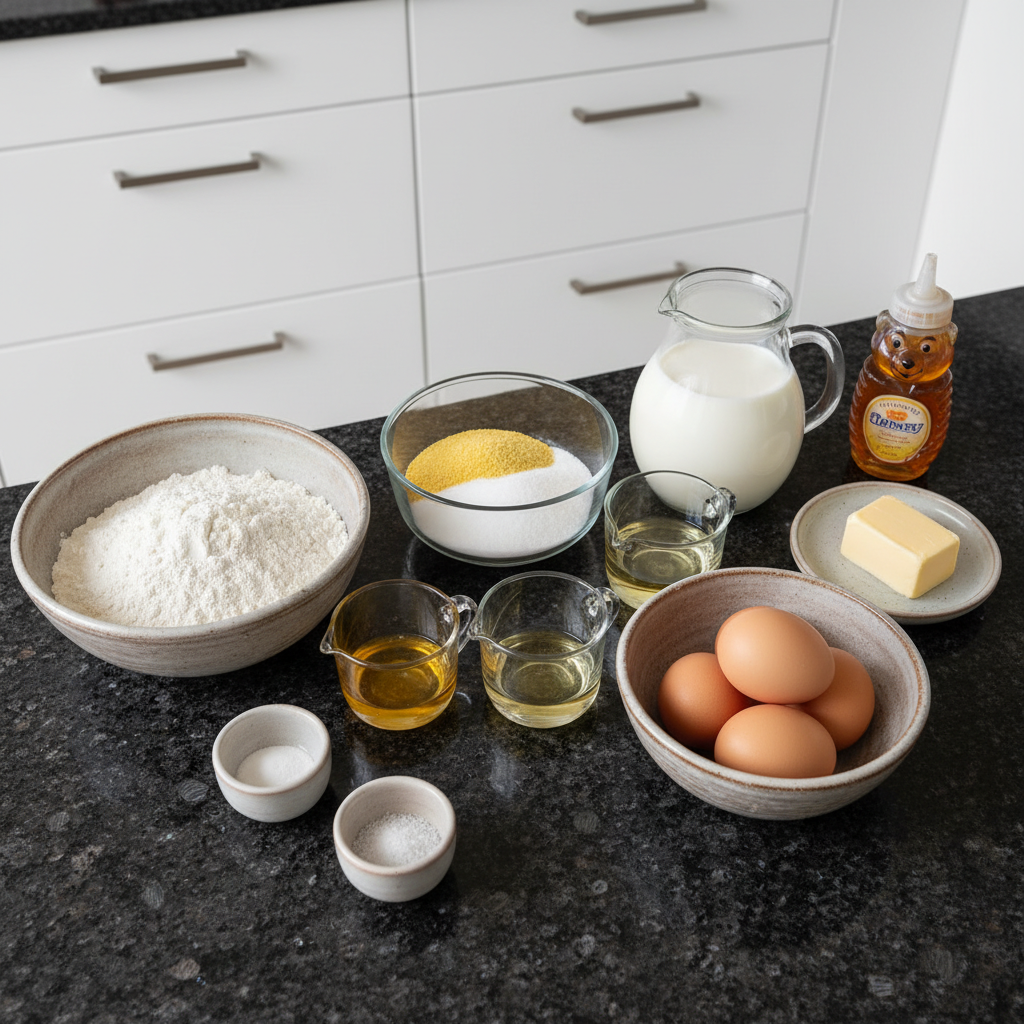
- 2 cups flour
- 1 cup cornmeal
- 1 cup sugar
- 1 ½ tablespoons baking powder
- 1 teaspoon salt
- ½ cup (8 tablespoons) butter (melted)
- ½ cup oil
- 1 ¼ cups milk
- 3 large eggs
- honey and extra butter for serving (optional)
Ingredient Notes & Substitutions
Flour: I recommend using all-purpose flour for consistent and reliable results in this cornbread recipe. You can experiment with whole wheat flour for a nuttier flavor, but be aware it might yield a slightly denser texture. Gluten-free blends can also work, though results may vary.
Cornmeal: For a tender and less gritty texture, I prefer medium or fine-grind cornmeal. Coarse-ground cornmeal will give your homemade cornbread a more rustic and pronounced corn texture, which some people enjoy.
Oil: Neutral oils like vegetable oil or canola oil are excellent choices as they allow the natural flavor of the cornmeal to shine. While the recipe includes melted butter for flavor and moisture, the oil ensures extra moistness and a tender crumb.
Butter: For this cornbread recipe, I typically use unsalted butter. This gives me complete control over the overall saltiness of the dish, allowing the other flavors to balance perfectly. If you only have salted butter, simply reduce the added salt by a quarter teaspoon.
Milk: Whole milk will provide the richest and most tender cornbread due to its fat content. If you need a dairy-free alternative, unsweetened almond milk or soy milk can be used, though the final texture might be slightly less rich.
Eggs: Large eggs are crucial for binding the ingredients together and adding essential moisture. They contribute to the structure and richness of the moist cornbread, ensuring it holds together beautifully.
How to Make Your Best Cornbread Recipe (Step-by-Step)
Prepping Your Oven and Pan
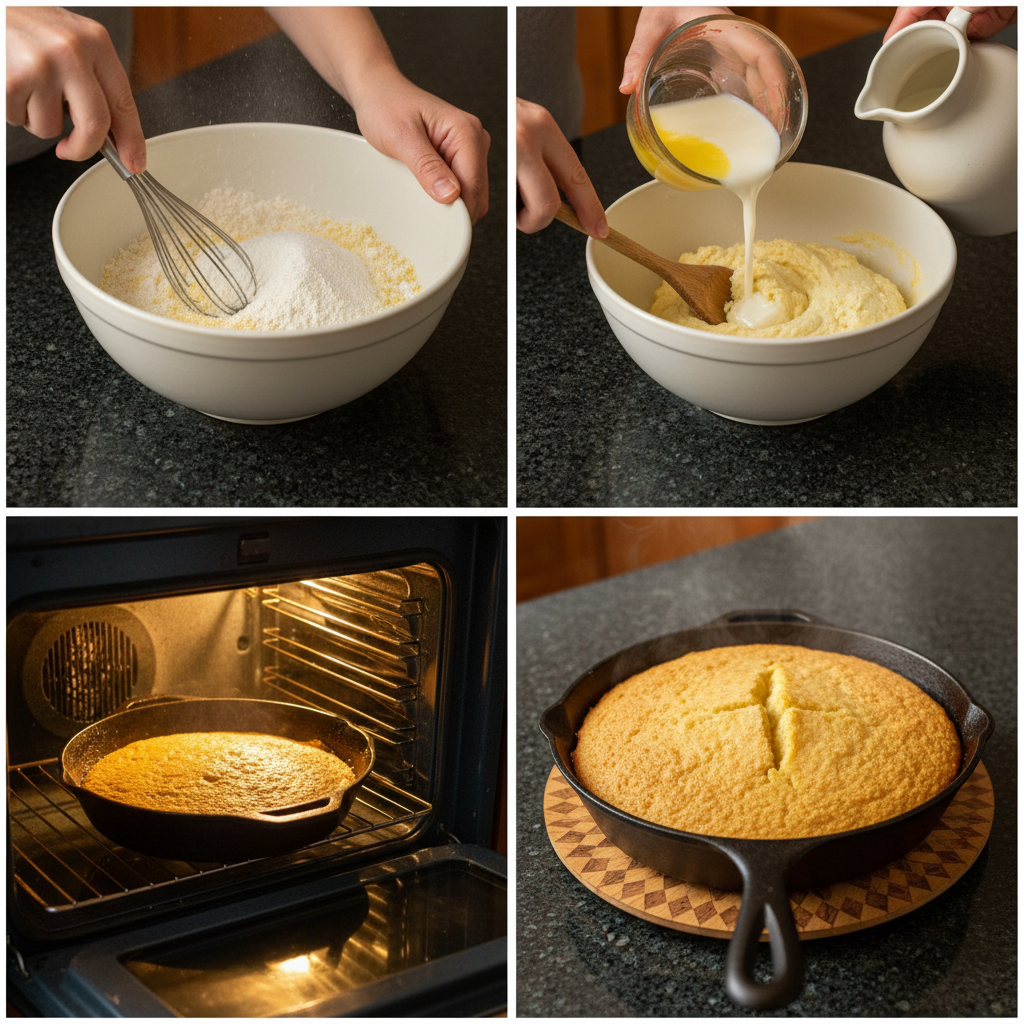
- Preheat your oven to 350 degrees Fahrenheit.
- While the oven preheats, place your 9×13 inch baking pan, or a cast iron skillet, with about one tablespoon of butter or oil inside the oven. Allow it to heat until the fat is shimmering and hot. This is my secret for that incredible golden brown crust.
Mixing the Dry Ingredients
- In a large mixing bowl, whisk together the flour, cornmeal, sugar, baking powder, and salt. Make sure these dry ingredients are well combined for an even rise and consistent flavor in your cornbread.
Combining Wet Ingredients
- In a separate medium bowl, mix together the melted butter, vegetable oil, milk, and large eggs. Whisk them until they are fully incorporated and smooth. The eggs play a key role in achieving a tender texture.
Bringing the Batter Together
- Add the wet ingredients to the dry ingredients. Mix gently until just combined. It is very important not to overmix the batter; a few lumps are perfectly fine. Overmixing develops gluten, which can lead to a tough and dry cornbread.
Baking Your Cornbread
- Carefully remove the hot, shimmering pan from the oven. Immediately and carefully pour the cornbread batter into the prepared baking pan. You will hear a satisfying sizzle as the batter hits the hot fat.
- Bake for 35 to 45 minutes, or until the top is golden brown and a toothpick inserted into the center comes out clean or with only a few moist crumbs attached. No wet batter should remain on the toothpick. The kitchen will fill with the most wonderful aroma of homemade cornbread.
Cooling and Serving
- Allow the cornbread to cool in the pan for 15 to 20 minutes before cutting it into squares. This cooling time allows the structure to set and prevents crumbling.
- Serve warm with extra butter and a drizzle of honey if desired. For storage, keep any leftovers in an airtight container at room temperature for up to 3 days, or in the fridge for up to 1 week.
Achieving Optimal Cornbread Texture & Flavor
Beyond the Basics: Texture & Mixing
Understanding Gluten Development: When making my moist cornbread, proper mixing technique is absolutely vital. Overmixing the batter can develop too much gluten from the all-purpose flour, leading to a tough, dense cornbread instead of the tender crumb we are aiming for. I always advise mixing only until the wet and dry ingredients are just combined, and a few small lumps are perfectly acceptable.
The Role of Fats and Eggs: The combination of melted butter, vegetable oil, and large eggs in this recipe is key to ensuring a super moist cornbread that is far from a crumbly texture. The fats contribute richness and moisture, while the eggs provide structure and help emulsify the batter, preventing it from drying out during baking. This careful balance creates a tender, flavorful loaf.
Customizing Your Cornbread Flavor Profile
Sweet vs. Savory Cornbread: This cornbread recipe as written is moderately sweet, which is a popular preference. If you prefer a more traditional, less sweet ‘Southern’ cornbread variant, you can easily adjust the amount of granulated sugar. For a truly savory profile, I suggest reducing the sugar to just 1 or 2 tablespoons, or omitting it entirely.
Flavor Boosters: Elevate your homemade cornbread with various delicious add-ins. For savory options, try incorporating shredded cheddar cheese, diced jalapenos, chopped green chilies, roasted red peppers, or whole kernel corn. You can also add aromatics like minced garlic, fresh chives, rosemary, thyme, or crumbled, cooked bacon for an extra layer of flavor. If you lean towards sweet cornbread, a bit of orange zest or dried cranberries can add a lovely touch.
Pro Tips & Troubleshooting for Perfect Cornbread
Pro Tips for Success
Harness the Hot Pan: My number one tip for this cornbread recipe is to always preheat your cast iron skillet or baking pan with oil or butter in the oven until it is shimmering. This unique twist ensures an instant Maillard reaction, giving you that incredible golden brown crust and preventing a soggy bottom. It makes all the difference in achieving truly excellent cornbread.
Don’t Overmix: To keep your cornbread tender and moist, mix the wet and dry ingredients only until they are just combined. Overmixing develops the gluten in the flour, which can lead to a tough and chewy texture. A few lumps are perfectly normal.
Cool Before Cutting: It can be tempting to dive right into a fresh-baked cornbread, but allowing it to cool in the pan for 15 to 20 minutes is essential. This cooling period helps the structure set, making it less likely to crumble when you cut into it.
Achieve Extra Moistness: The specific amounts of milk, butter, oil, and large eggs in this cornbread recipe are carefully balanced to deliver a super moist and tender texture. Do not skimp on these ingredients, as they are crucial for preventing a dry result.
Common Mistakes to Avoid
Crumbly Cornbread: If your cornbread crumbles too easily, it might be due to too much flour, the wrong type or amount of cornmeal, or even excessive fat. Ensure your flour and cornmeal are measured accurately, preferably by weight, and that the ratio is correct. Sometimes, a lack of binding from eggs can also contribute to a crumbly texture.
Dry or Tough Texture: This often happens from overmixing the batter, which develops gluten, or overbaking. Keep an eye on your baking time and use the toothpick test. Remove the cornbread from the oven as soon as the toothpick comes out clean or with only a few moist crumbs, rather than waiting for it to be completely dry.
Uneven Rise or Sunken Middle: An uneven rise can be caused by old or inactive baking powder. Always ensure your baking powder is fresh. An oven that is not fully preheated or opening the oven door too early can also affect the rise and potentially lead to a sunken middle.
Soggy Bottom: This common issue is precisely what my unique twist addresses. If you skip preheating your baking pan with butter or oil, the bottom of your cornbread is more likely to turn out soft and undercooked instead of crispy. Always use a hot pan for the best results.
Serving & Storage
Serving Suggestions
Classic Pairings: My favorite way to enjoy this homemade cornbread is served warm with an extra pat of butter and a generous drizzle of honey. The sweetness and richness are simply divine.
Hearty Meal Companions: Cornbread is the perfect companion to so many hearty dishes. It is exceptional with a warm bowl of chili, alongside roast chicken or turkey, with tender pork dishes, or as a comforting side to various soups and stews.
Sweet Toppings: For a sweeter treat, try serving slices of cornbread with your favorite jams and jellies. It makes a wonderful breakfast or snack.
Garnishing Ideas: A sprinkle of fresh chives can add a pop of color and a subtle oniony flavor to savory cornbread. For sweet versions, a light dusting of powdered sugar or an extra drizzle of honey enhances its appeal.
Storage and Reheating
Room Temperature Storage: Leftover cornbread will stay fresh and delicious if stored in an airtight container at room temperature for up to 3 days. Make sure it has cooled completely before storing.
Refrigerated Storage: For longer freshness, you can store your cornbread in an airtight container in the fridge for up to 1 week. This is especially good if your kitchen runs warm.
Freezing Instructions: Cornbread freezes beautifully. Wrap individual slices or the whole loaf tightly in plastic wrap, then again in aluminum foil. It can be frozen for up to 3 months. Thaw overnight in the refrigerator before reheating.
Reheating Instructions: To restore the texture and warmth of leftover cornbread, you have a few options.
- Oven or Toaster Oven: This is my preferred method for bringing back some of that crispy crust. Reheat at a low temperature, around 300 degrees Fahrenheit, loosely covered with foil, until warmed through.
- Microwave: For the quickest reheat, use the microwave in short bursts, about 15-30 seconds. Be aware that this method can sometimes make the cornbread a little softer.
- Skillet: For smaller pieces, you can crisp up the crust again by reheating them in a dry or lightly oiled skillet over medium heat for a few minutes per side.
Conclusion
I am confident that this cornbread recipe will become a treasured favorite in your home. The incredible moisture and that signature crispy crust, achieved with my simple preheating method, truly set it apart. Even if you are new to baking, the detailed instructions and expert tips I have shared will help you achieve fantastic results. If you enjoy this recipe, you might also like to try our chocolate chip banana bread.
I encourage you to experiment with sweet or savory add-ins and explore all the wonderful serving ideas. Once you try this method, you will understand why it is my ultimate way to make homemade cornbread. Print this recipe, share your creations, and enjoy the delicious journey!
FAQ (Frequently Asked Questions)
Why does my cornbread crumble and how can I fix it?
Cornbread often crumbles due to too much flour, an incorrect flour-to-cornmeal ratio, or not enough moisture. Ensure accurate measurements and avoid overmixing. The eggs in the recipe also provide essential binding.
What are the best add-ins for homemade cornbread?
For savory cornbread, popular add-ins include shredded cheddar cheese, diced jalapenos, whole kernel corn, and crumbled bacon. For a sweeter twist, try orange zest or dried cranberries.
What’s the best pan to bake cornbread in for optimal results?
A cast iron skillet is ideal for its heat retention, which helps create that perfect golden brown crust. A 9×13 inch baking pan or a glass baking dish also works well, especially when preheated with fat.
How can I ensure my cornbread is super moist and tender?
To ensure super moist cornbread, follow the recipe’s specified amounts of melted butter, vegetable oil, milk, and large eggs. Also, be careful not to overmix the batter or overbake the cornbread.
How do you properly store leftover cornbread to keep it fresh?
Store leftover cornbread in an airtight container at room temperature for up to 3 days, or in the refrigerator for up to a week. For longer storage, you can freeze it wrapped tightly for up to 3 months.
What are the best dishes to serve with moist cornbread?
Moist cornbread pairs wonderfully with hearty dishes like chili, roast chicken, turkey, pork, soups, and stews. It is also delicious with simple toppings like butter, honey, jams, or jellies.
How long does homemade cornbread last?
Homemade cornbread typically lasts up to 3 days at room temperature in an airtight container, or up to 1 week in the refrigerator. It can also be frozen for up to 3 months.
Can I adjust the baking time for different pan sizes (e.g., muffins, smaller skillet)?
Yes, baking times will vary for different pan sizes. Muffins or smaller cast iron skillets (like an 8-inch) will generally bake faster, usually between 20-30 minutes. Always use the toothpick test to check for doneness, as oven temperatures can vary.
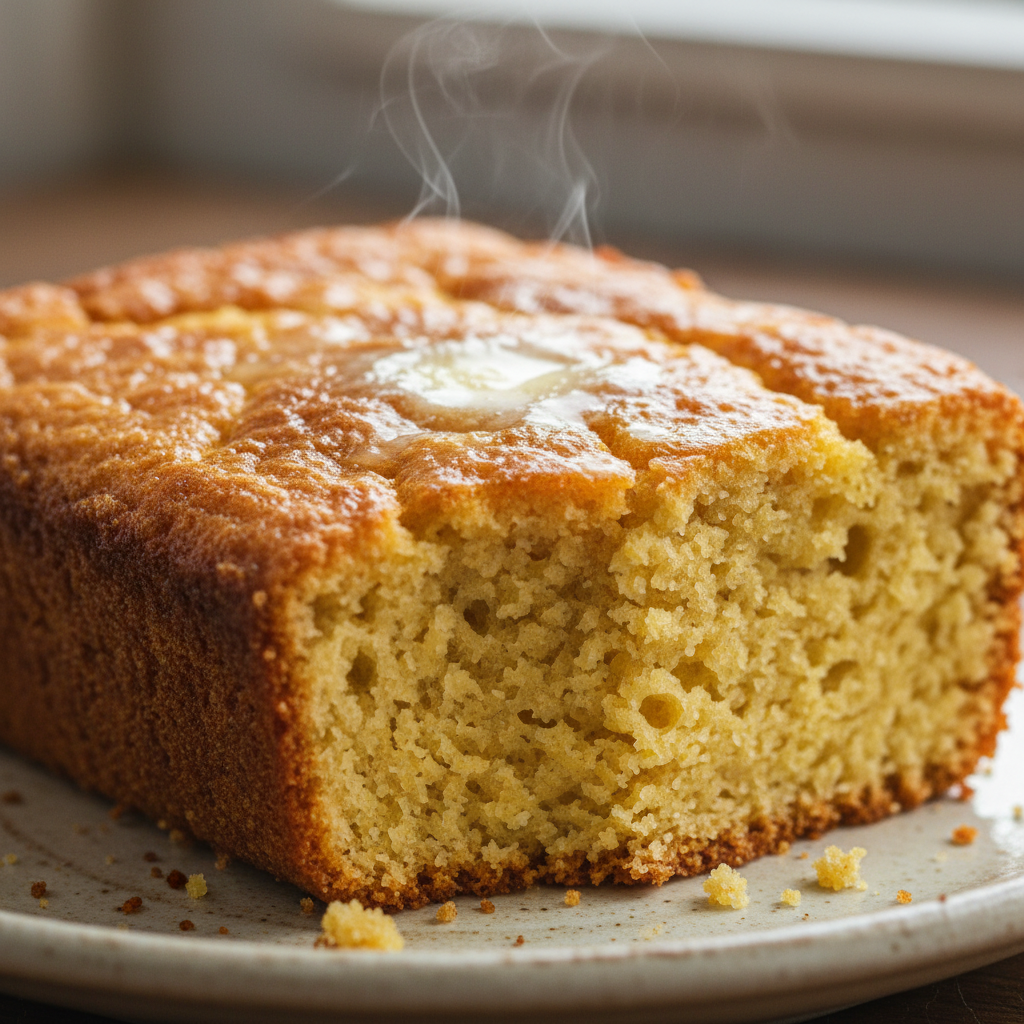
Ultimate Crispy Crust Cornbread Recipe (Super Moist & Easy)
Ingredients
Equipment
Method
- Preheat your oven to 350 degrees Fahrenheit.
- While the oven preheats, place your 9×13 inch baking pan, or a cast iron skillet, with about one tablespoon of butter or oil inside the oven. Allow it to heat until the fat is shimmering and hot.
- In a large mixing bowl, whisk together the flour, cornmeal, sugar, baking powder, and salt. Make sure these dry ingredients are well combined for an even rise and consistent flavor.
- In a separate medium bowl, mix together the melted butter, vegetable oil, milk, and large eggs. Whisk them until they are fully incorporated and smooth.
- Add the wet ingredients to the dry ingredients. Mix gently until just combined. Do not overmix the batter; a few lumps are perfectly fine.
- Carefully remove the hot, shimmering pan from the oven. Immediately and carefully pour the cornbread batter into the prepared baking pan. You will hear a satisfying sizzle.
- Bake for 35 to 45 minutes, or until the top is golden brown and a toothpick inserted into the center comes out clean or with only a few moist crumbs attached.
- Allow the cornbread to cool in the pan for 15 to 20 minutes before cutting it into squares. This cooling time allows the structure to set and prevents crumbling.
- Serve warm with extra butter and a drizzle of honey if desired.
