


Few things in life compare to the warm, intoxicating aroma of freshly baked cookies filling my kitchen. When those cookies are brown butter chocolate chip cookies, it is pure magic. The rich, nutty fragrance promises a treat that is both comforting and sophisticated. This recipe will not only guide you to create perfectly chewy cookies with crisp edges and incredibly fudgy centers, but it also reveals a unique, scientifically-backed twist that elevates the classic brown butter flavor to an irresistible new depth. Get ready for your new favorite brown butter chocolate chip cookies recipe.
Why You’ll Love This Recipe
I am thrilled to share my secret for the most flavorful brown butter chocolate chip cookies you will ever make. The unique twist in this recipe is simple yet revolutionary: I add 1-2 tablespoons of non-fat dry milk powder to the browned butter immediately after browning, while it is still warm, stirring until it is fully incorporated before allowing the butter to cool.
The scientific magic behind this lies in the non-fat dry milk powder’s milk solids. These proteins and lactose get a second wave of intense Maillard browning and caramelization when they hit the hot brown butter. This process deepens the nutty, complex, and caramel notes of the brown butter itself, creating a far more robust and nuanced flavor profile than traditional recipes. You can expect incredibly chewy cookies with crisp edges and truly fudgy centers that boast a profound nutty, caramel taste. This method consistently delivers bakery-quality results, making it a reliable favorite in my kitchen and, I am sure, in yours too.
Ingredients Needed
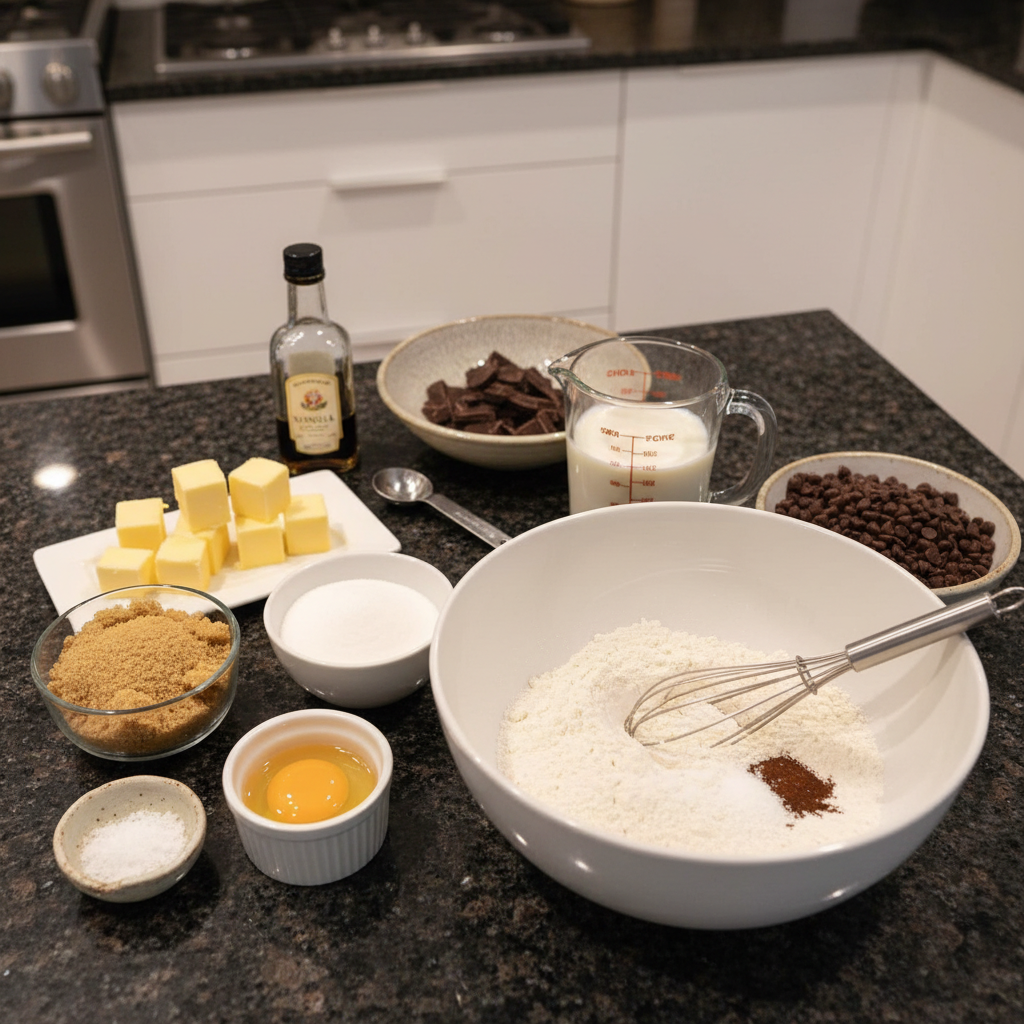
Ingredients
10 tbsp (140g) salted butter
1 ½ cups (215g) all-purpose flour (measure accurately or the cookies will spread too much)
¾ tsp baking soda (see notes in FAQ section regarding adjustments for taller cookies)
¼ tsp salt
⅔ cup (145g) packed light brown sugar
⅓ cup (65g) granulated sugar
1 large egg (at room temperature)
1 tbsp (15ml) milk
1 tsp (5ml) pure vanilla extract
3 oz (85g) dark chocolate, coarsely chopped into chunks plus extra for topping (I also love this bittersweet chocolate block and these bittersweet callets)
½ cup (85g) semisweet chocolate chips
flaky sea salt (optional for topping)
Ingredient Notes & Substitutions
Butter: I prefer using salted butter in my brown butter chocolate chip cookies as it provides a wonderful depth of flavor. If you opt for unsalted butter, simply increase the added salt in the recipe by ¼ teaspoon to maintain balance. For those with dietary restrictions, dairy-free butter alternatives can be used, though the browning process may vary slightly in aroma and color.
Flour: Accurate measurement of all-purpose flour is crucial for the perfect texture. I always recommend using a kitchen scale for precision, as scooping directly from the bag can lead to too much flour, resulting in dry, crumbly cookies. If you are exploring gluten-free flour options, ensure your blend is suitable for baking cookies and adjust liquid if necessary, as different flours absorb moisture differently.
Chocolate: For those gorgeous, melty puddles of chocolate, a mix of dark chocolate or bittersweet chocolate, especially couverture chocolate like chocolate feves or chocolate callets, coarsely chopped into chunks, is far superior to just using semisweet chocolate chips. The higher cocoa butter content in quality bar chocolate allows it to melt more smoothly and create those desirable fudgy centers. While chocolate chips hold their shape well, they do not give the same luxurious melt.
Egg & Milk: Always use a large egg at room temperature. A room temperature egg emulsifies better with the other wet ingredients, leading to a smoother, more uniform cookie dough. If you need a dairy-free milk substitute, any plant-based milk like almond or oat milk can be used in the same quantity.
The Secret Ingredient (Non-Fat Dry Milk Powder): As highlighted, this ingredient is key to our unique twist. Its milk solids amplify the Maillard reaction and caramelization with the brown butter, yielding incredibly rich, toasted milk powder notes that are deeply satisfying.
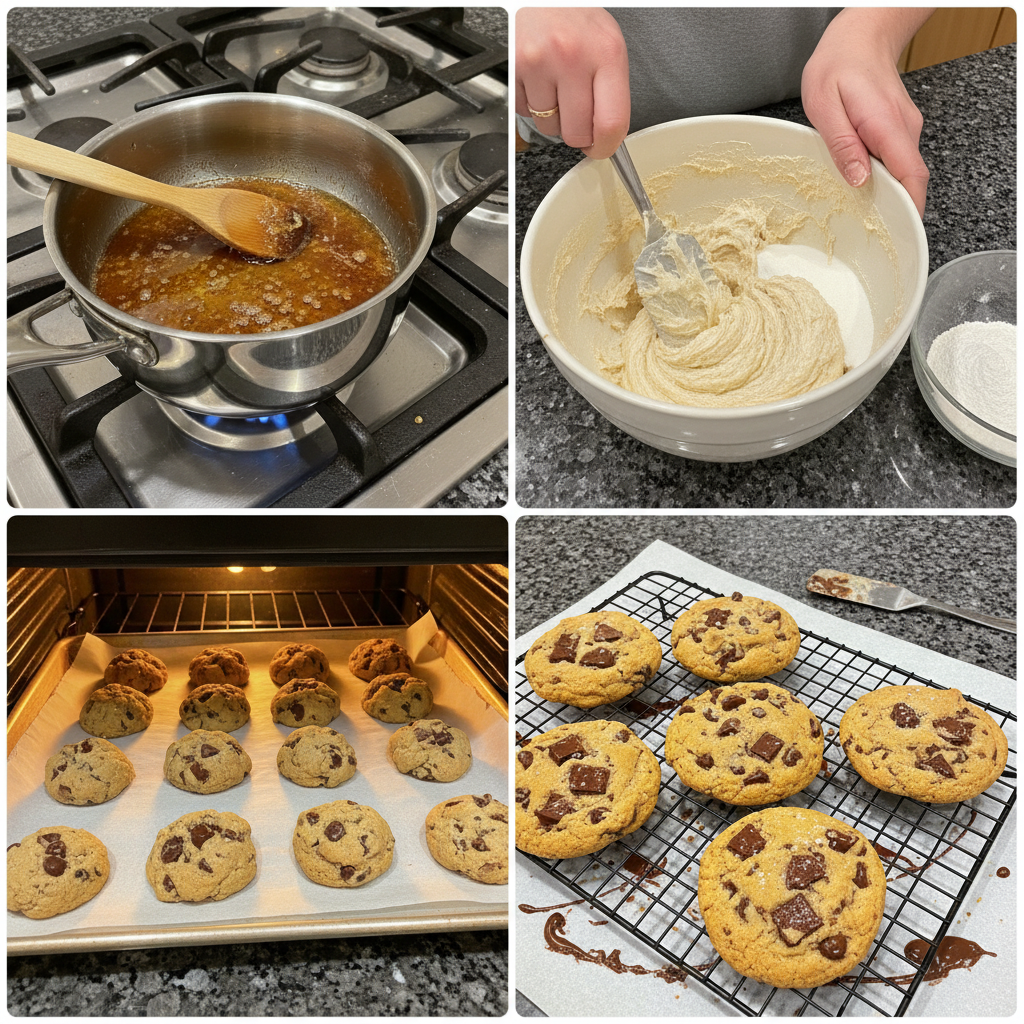
How to Make Ultimate Brown Butter Chocolate Chip Cookies
Step 1: Browning the Butter (and Adding the Twist)
First, we will brown the butter. Place your 10 tablespoons of salted butter in a 1-quart stainless steel saucepan over medium heat. Watch closely as the butter melts, foams, and transforms. You will see it start to turn golden, then develop tiny brown specks at the bottom, and a dense, golden foam will form on the surface. The aroma will shift from sweet dairy to a beautiful nutty, toasted scent. This whole process usually takes about 8-10 minutes. Immediately pour the perfectly browned butter into a large mixing bowl to stop the cooking. This is where our unique twist comes in: while the butter is still warm, stir in 1-2 tablespoons of non-fat dry milk powder until it is fully dissolved. This will deepen those incredible nutty, caramel flavors even further. Now, allow the brown butter to cool for 20-30 minutes until it reaches a temperature just warmer than room temperature. If you have a digital thermometer, it should read between 32 and 34°C or between 90 and 93°F. It should not be hot, but equally, it should not be too cool or it will stiffen up prematurely when you mix in the other ingredients, leading to greasy cookies if too warm or a crumbly dough if too cold.
Step 2: Dry Ingredients
In a medium bowl, combine the all-purpose flour, baking soda, and salt. Whisk these dry ingredients really well to ensure they are evenly blended. This helps with consistent leavening throughout your cookies.
Step 3: Wet Ingredients (Part 1)
Take your cooled brown butter (with the toasted milk powder mixed in) and add both the light brown sugar and granulated sugar to it in a large bowl. Mix these gently with a spatula until they are just combined and the mixture resembles thick wet sand. You can also use an electric handheld mixer or mix it in the bowl of a stand mixer fitted with the paddle attachment on medium speed for about 20 seconds, but avoid overmixing at this stage.
Step 4: Wet Ingredients (Part 2)
Now, add the room temperature egg, milk, and pure vanilla extract to the sugar and butter mixture. Mix until everything is well incorporated and looks creamy. It is crucial not to beat this mixture too vigorously, especially if your kitchen is cool, as the butterfat can firm up and become stiff prematurely, affecting the final texture.
Step 5: Combine & Chill
Gradually add the flour mixture to the wet ingredients. Fold it in or mix on low speed just until it is mostly combined. Before all the flour is fully incorporated, stir in the dark chocolate chunks and semisweet chocolate chips. Continue mixing until they are evenly distributed throughout the cookie dough. Cover the bowl tightly and refrigerate the dough for 1-4 hours. While you can chill for just one hour in a pinch, a minimum of two hours is truly best for optimal flour hydration and flavor development, which will prevent excessive cookie spread and enhance chewiness.
Step 6: Preheat & Prep
Preheat your oven to 375°F. Line two large cookie sheets with parchment paper. This prevents sticking and helps with easy cleanup.
Step 7: Scoop & Bake
Use a 1.35-oz cookie scoop to portion the dough into approximately 14 pieces (each about 2 oz or 56g). Roll each portion into a smooth ball. This step is important for an even spread and a beautiful crackly surface. Place them onto your prepared baking sheets, ensuring they are spaced about 3 inches apart. If you like, press a few extra chunks of chocolate onto the tops of the dough balls for a bakery-style finish. Do not flatten the dough balls. Bake for 8-10 minutes until the tops are golden, the edges are lightly browned, and the centers still look wonderfully soft. If you are making slightly smaller cookies using a 1 ¼-oz cookie scoop, adjust baking time accordingly.
Step 8: Cool & Finish
Let the cookies cool on the baking sheet for 2 minutes. This allows them to set up slightly before you move them. Then, carefully transfer them to a wire rack to finish cooling completely. If you wish, sprinkle a little flaky sea salt on top of the warm cookies for a lovely salty-sweet contrast. Enjoy your ultimate brown butter chocolate chip cookies!
Mastering Brown Butter & Achieving Your Perfect Cookie
Mastering Brown Butter: Visual Cues & the Milk Powder Secret
Browning butter is an art, but a very achievable one. To master it, start with a light-colored stainless steel saucepan so you can easily observe the color changes. As the butter melts, it will foam. Keep stirring and watching. First, the foam will be white, then it will start to clear a bit, revealing golden specks forming at the bottom of the pan. The color of the butter will deepen from golden to a rich amber, and the aroma will transform from a simple dairy smell to a deeply nutty, almost toffee-like fragrance. Those tiny brown flecks are the milk solids caramelizing, which is where all the incredible flavor comes from. Using a digital thermometer can help confirm you are reaching the right temperature, typically around 150-160°C (300-320°F) before cooling.
Now, for our unique twist: immediately after you achieve that perfect amber color and nutty aroma, remove the saucepan from the heat and pour the hot brown butter into a separate bowl. This stops the cooking process. Then, while it is still warm, stir in 1-2 tablespoons of non-fat dry milk powder. This boosts the Maillard reaction and caramelization even further, as the milk solids in the powder undergo an intense toasting process, creating an even more complex and profound flavor. This toasted milk powder is truly a game-changer.
You might notice a slight weight loss during browning due to moisture evaporation from the butter composition. Typically, butter loses about 20-25% of its original weight. While this recipe accounts for it, for absolute precision, you could brown a little extra butter and then measure out the exact required amount after browning.
Achieving Your Perfect Cookie: Thickness, Spread & More
Crafting the perfect cookie involves understanding a few key factors that influence spread and thickness. The role of ingredients like all-purpose flour, sugars, egg, and milk, along with baking soda, are all interconnected. These principles apply whether you’re making these brown butter chocolate chip cookies or exploring other classics like peanut butter cookies.
Cookies Too Flat or Not Spreading Enough: If your cookies are spreading too much and are too flat, inaccurate flour measurement is often the culprit. Too little flour means the dough is too wet, leading to excessive spread. Ensure you measure flour precisely, ideally with a kitchen scale. Insufficient dough chilling time is another common mistake; the butter needs to firm up, and the flour needs to hydrate to control spread. If your butter was too warm when mixing, it can also lead to greasy, flat cookies. Conversely, if your cookies are not spreading enough, the dough might be too cold or too much flour was added. Try letting the dough warm up slightly at room temperature for 10-15 minutes before baking, or gently press the dough balls down just a tiny bit before baking.
Adjusting for Thicker Cookies: The amount of baking soda significantly impacts cookie thickness. For even taller, thicker cookies with a chewier texture, you can reduce the baking soda to ½ teaspoon. Baking soda helps with spread and tenderness, but too much can lead to flatter cookies. Baking at a higher temperature, such as 375°F, also helps to set the edges of the cookies quickly, which limits their spread and contributes to a thicker cookie.
Impact of Baking Sheet Materials: Did you know your baking sheet can influence your cookies? Light-colored baking sheets reflect heat, resulting in a more even bake and less browning on the bottom. Dark baking sheets absorb more heat, which can lead to faster browning and crispier edges, but can also cause over-browning if you are not careful.
Pro Tips & Troubleshooting
Pro Tips for Bakery-Quality Cookies
Precision is Key: Measuring ingredients precisely with a kitchen scale, especially all-purpose flour, is fundamental for optimal texture and proper flour hydration. It truly makes a difference.
Brown Butter Mastery: Patience and attention are crucial during browning butter to avoid burning. Remove it from the heat as soon as you see those golden-brown flecks and smell that nutty aroma. Stress cooling brown butter to the optimal 32-34°C (90-93°F) to prevent greasy cookies and ensure proper emulsification.
The Milk Powder Difference: Remember, the toasted milk powder in the brown butter is our secret weapon. It deepens the flavor profile, adding layers of caramel and nuttiness that set these cookies apart.
Choose Your Chocolate Wisely: For those glorious melty puddles and fudgy centers, I highly advise using chopped couverture chocolate or dark chocolate rather than relying solely on semisweet chocolate chips. The quality of chocolate makes a huge impact.
The Power of the Chill: Do not skip chilling cookie dough for 1-4 hours (minimum 2 hours is best) for proper flour hydration, enhanced flavor development, and controlled spread. This step is non-negotiable for superior results.
Perfectly Shaped Dough: Always roll scooped dough into smooth balls before baking for uniform baking and beautifully crisp edges.
Hot Oven, Quick Set: Baking at a higher temperature (375°F) helps the cookie edges set quickly, which controls spread and contributes to a lovely texture.
Cool Down Correctly: Let cookies cool on the baking sheet for 2 minutes before transferring to a wire rack. This allows them to firm up slightly and prevents breakage.
Common Mistakes to Avoid
Burning the Butter: Over-browning or burning the butter is a common pitfall that ruins the flavor. Keep a close eye on it, especially towards the end of the browning process.
Warm Butter Woes: Not cooling brown butter sufficiently before mixing with other ingredients can lead to greasy cookies that spread too much. Follow the temperature guidance for best results.
Skipping the Chill: Skipping or shortening dough chilling time often results in flatter, less chewy cookies lacking in flavor development. The chill time is a flavor and texture enhancer.
Inaccurate Flour: Inaccurate flour measurement is a leading cause of cookie failures. Too little causes excessive spreading; too much makes them dry and crumbly.
Chocolate Chip Only: Using only standard chocolate chips will not give you those desirable melty puddles. Chopped bar chocolate is superior for creating that bakery-style finish.
Vigorous Beating: Avoid vigorously beating wet ingredients with brown butter, especially in a cold environment, which can cause the butterfat to stiffen prematurely and make the dough difficult to work with.
Flattening Dough: Do not flatten dough balls before baking. This impacts their shape and can lead to a less appealing texture.
Serving & Storage
Serving Ideas
These brown butter chocolate chip cookies are wonderful on their own, but they are even better with a few thoughtful pairings. My absolute favorite way to enjoy them is warm, fresh from the oven, with a tall, cold glass of milk. For an elevated treat, top them with a sprinkle of flaky sea salt immediately after baking to highlight their complex flavors. For true dessert decadence, serve them warm with a scoop of creamy vanilla bean ice cream. They are also the perfect companion for your morning coffee break or a relaxing cup of tea.
Storage & Make-Ahead Tips
Storing Baked Cookies: Once your brown butter chocolate chip cookies have cooled completely, store them in an airtight container at room temperature. They will maintain their deliciousness and freshness for 3-5 days. To keep them extra soft, you can add half a slice of bread to the container.
Freezing Cookie Dough (Raw): This recipe is excellent for make-ahead baking. You can freeze the raw cookie dough either as a block or as individual cookie dough balls. For balls, scoop and roll them, then arrange them on a parchment-lined baking sheet and freeze until solid. Once solid, transfer them to a freezer-safe bag or container, ensuring they are well-wrapped to prevent freezer burn. They will keep for up to 3 months.
Baking from Frozen: To bake frozen cookie dough, simply place the frozen cookie dough balls directly on your prepared baking sheet. You do not need to thaw them. Just add a few extra minutes (usually 2-4 minutes) to the regular baking time, watching for the golden edges and soft centers.
Freezing Baked Cookies: Baked cookies can also be frozen for longer storage. Once completely cooled, wrap them tightly in plastic wrap, then place them in a freezer-safe bag or container for up to 2 months. Thaw them at room temperature before enjoying.
Conclusion
I hope you are as excited as I am about this ultimate brown butter chocolate chip cookies recipe. By embracing the simple yet transformative toasted milk powder twist, you unlock a depth of nutty, caramel flavor that truly sets these cookies apart. With the detailed instructions, expert tips, and troubleshooting advice I have shared, you are well-equipped to achieve bakery-quality results right in your own kitchen. Whether you are a seasoned baker or just starting your cookie journey, these brown butter chocolate chip cookies promise chewy cookies with crisp edges and luscious, fudgy centers every time. Do not hesitate to experiment with different variations or serving ideas to make them your own. I encourage you to save this recipe, share it with loved ones, and savor every exquisite bite. For more delightful baking adventures, consider trying our recipes for brown sugar cookies or decadent Dubai chocolate cookies.
FAQ
Q: What is brown butter and how does it affect cookies?
Brown butter, also known as beurre noisette, is butter that has been cooked gently until its milk solids caramelize and undergo the Maillard reaction. This process develops a complex, nutty, caramel flavor that adds immense depth and richness to chocolate chip cookies. It contributes to chewy cookies with crisp edges and fudgy centers, creating a far more sophisticated taste than regular butter.
Q: Why is chilling brown butter cookie dough important, and how long should I chill it?
Chilling cookie dough is crucial for several reasons. It allows for proper flour hydration, helps the flavors meld and deepen, and most importantly, it firms up the butter in the dough, which is essential for controlling cookie spread. I recommend chilling the dough for 1-4 hours, with a minimum of 2 hours for optimal results in texture and flavor.
Q: How can I ensure my brown butter chocolate chip cookies are thick and chewy, not flat?
To achieve thick and chewy brown butter chocolate chip cookies, ensure precise measurement of all-purpose flour, provide adequate dough chilling time (at least 2 hours), bake at a higher temperature (375°F), and do not flatten the dough balls before baking. For even thicker cookies, you can reduce the baking soda to ½ teaspoon.
Q: What type of chocolate is best for achieving melty puddles in brown butter chocolate chip cookies?
For the best melty puddles, I highly recommend using dark chocolate, bittersweet chocolate, or couverture chocolate (like chocolate feves or chocolate callets), coarsely chopped into chunks, rather than just semisweet chocolate chips. The higher cocoa butter content in quality bar chocolate allows it to melt more smoothly and creates those desirable fudgy centers that chocolate chips often cannot.
Q: How do I properly cool brown butter to the right temperature for cookie dough?
After browning, immediately pour the hot brown butter (with the added non-fat dry milk powder) into a separate bowl to stop the cooking. Allow it to cool until it reaches a temperature just warmer than room temperature, specifically between 32-34°C (90-93°F) when measured with a digital thermometer. This prevents greasy cookies if too warm, or premature stiffening if too cold.
Q: Can I freeze brown butter cookie dough, and what are the instructions for baking from frozen?
Yes, freezing cookie dough is an excellent make-ahead option. Scoop and roll individual cookie dough balls, then freeze them on a parchment-lined baking sheet until solid. Transfer them to a freezer-safe bag or container. To bake from frozen, place the cookie dough balls directly on a prepared baking sheet and add 2-4 minutes to the regular baking time. There is no need to thaw them first.
Q: How much butter is lost after browning?
During the browning process, butter typically loses about 20-25% of its original weight due to the evaporation of moisture. For very precise baking, you can brown a little extra butter and then measure out the exact required final weight for your recipe.
Q: How to tell if an egg is at room temperature quickly?
A quick trick to bring an egg to room temperature is to submerge it (still in its shell) in a bowl of warm, not hot, water for 5-10 minutes. This helps the egg emulsify better with the other ingredients, leading to a smoother dough and better texture in your brown butter chocolate chip cookies.
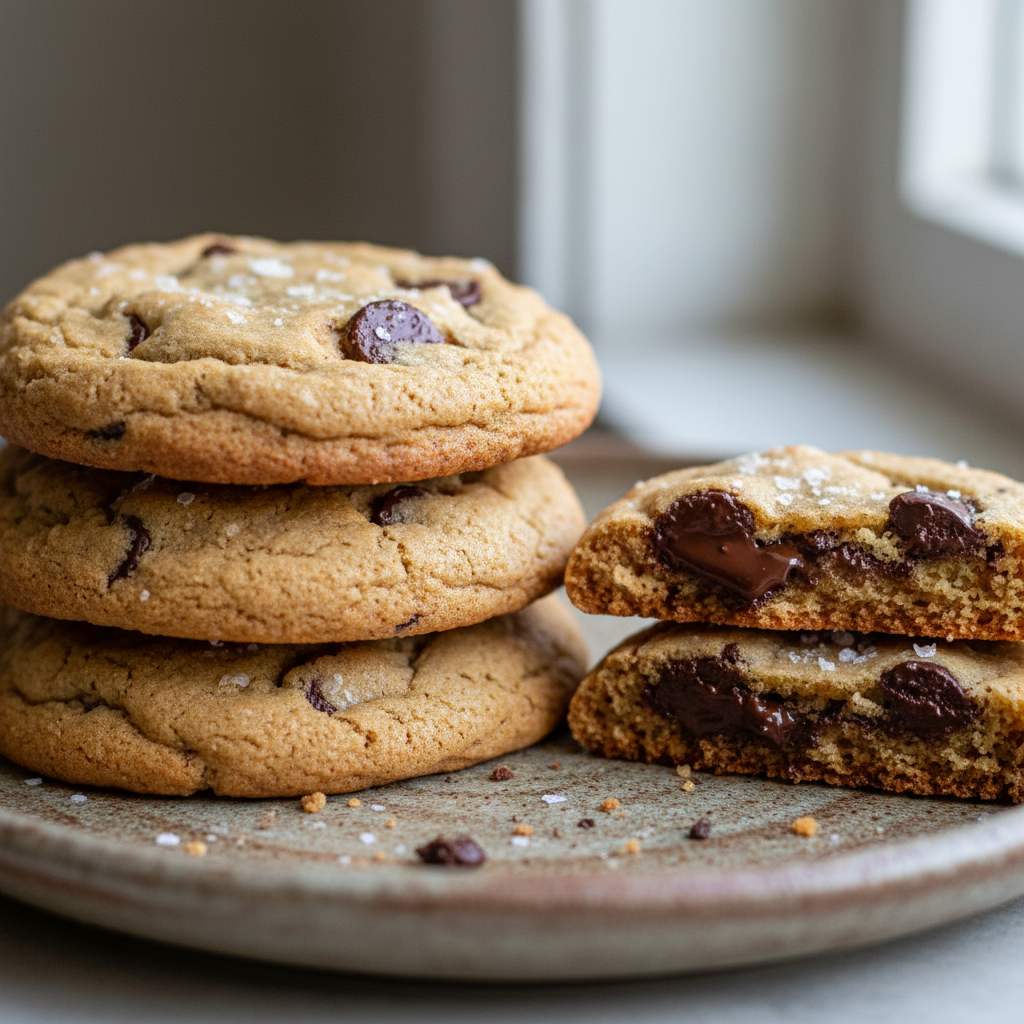
Ultimate Brown Butter Chocolate Chip Cookies with a Flavor Secret
Ingredients
Equipment
Method
- First, brown the butter. Place your 10 tablespoons of salted butter in a 1-quart stainless steel saucepan over medium heat. Watch closely as the butter melts, foams, and transforms into a golden color with tiny brown specks at the bottom, and a dense, golden foam on the surface. The aroma will shift from sweet dairy to a beautiful nutty, toasted scent. This typically takes 8-10 minutes.
- Immediately pour the perfectly browned butter into a large mixing bowl to stop the cooking. While the butter is still warm, stir in 1-2 tablespoons of non-fat dry milk powder until fully dissolved. This will deepen the nutty, caramel flavors.
- Allow the brown butter to cool for 20-30 minutes until it reaches a temperature just warmer than room temperature (32-34°C or 90-93°F with a digital thermometer).
- In a medium bowl, combine the all-purpose flour, baking soda, and salt. Whisk these dry ingredients really well to ensure even blending.
- Take your cooled brown butter (with the toasted milk powder mixed in) and add both the light brown sugar and granulated sugar to it in a large bowl. Mix gently with a spatula until just combined, resembling thick wet sand.
- Now, add the room temperature egg, milk, and pure vanilla extract to the sugar and butter mixture. Mix until everything is well incorporated and looks creamy, avoiding vigorous beating.
- Gradually add the flour mixture to the wet ingredients. Fold it in or mix on low speed just until mostly combined. Before all the flour is fully incorporated, stir in the dark chocolate chunks and semisweet chocolate chips. Continue mixing until evenly distributed throughout the dough.
- Cover the bowl tightly and refrigerate the dough for 1-4 hours (minimum of 2 hours is best for optimal results).
- Preheat your oven to 375°F. Line two large cookie sheets with parchment paper.
- Use a 1.35-oz cookie scoop to portion the dough into approximately 14 pieces (each about 2 oz or 56g). Roll each portion into a smooth ball. Place them onto your prepared baking sheets, spaced about 3 inches apart.
- If desired, press a few extra chunks of chocolate onto the tops of the dough balls. Do not flatten the dough balls. Bake for 8-10 minutes until the tops are golden, edges are lightly browned, and centers still look soft.
- Let the cookies cool on the baking sheet for 2 minutes to set up. Then, carefully transfer them to a wire rack to finish cooling completely.
- Optionally, sprinkle a little flaky sea salt on top of the warm cookies for a salty-sweet contrast. Enjoy!
